The Israeli government says its forces will not retreat from positions inside Gaza unless Hamas undergoes a "genuine disarmament," while Hamas conditions handing over heavy weapons on an Israeli end to aggression and troop withdrawal. The dispute comes amid a US‑brokered 20‑point ceasefire plan that would place weapons with a newly created Board of Peace and outline a phased Israeli pullback and reconstruction. Reactions are mixed at home and abroad, and humanitarian and political obstacles — including disputed casualty figures and a UN inquiry's alarming findings — continue to complicate prospects for a deal.
Israel Says Troops Won't Pull Back From Gaza Without 'Genuine' Hamas Disarmament — Tensions Persist Over US‑Brokered Deal
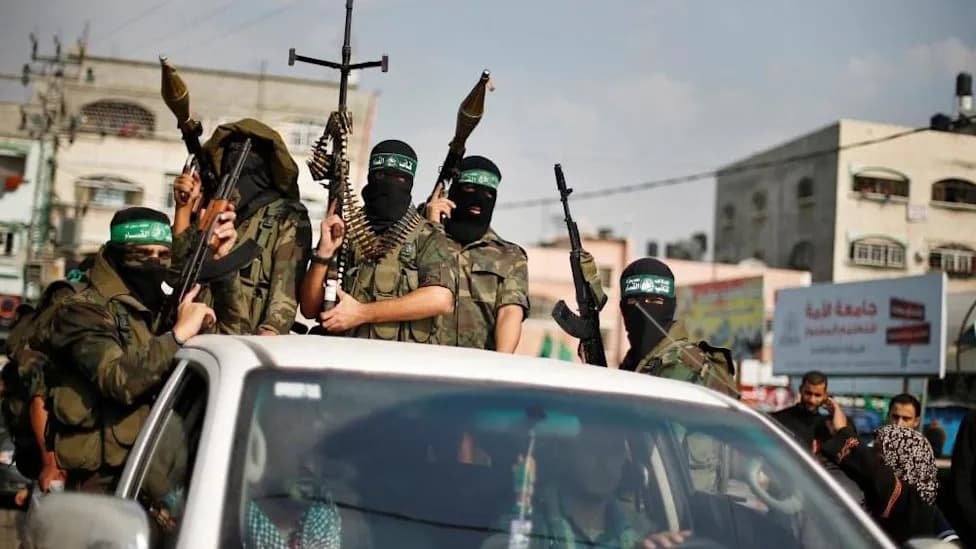
Hamas weapons would be handed over to the Board of Peace, Trump said [Reuters]
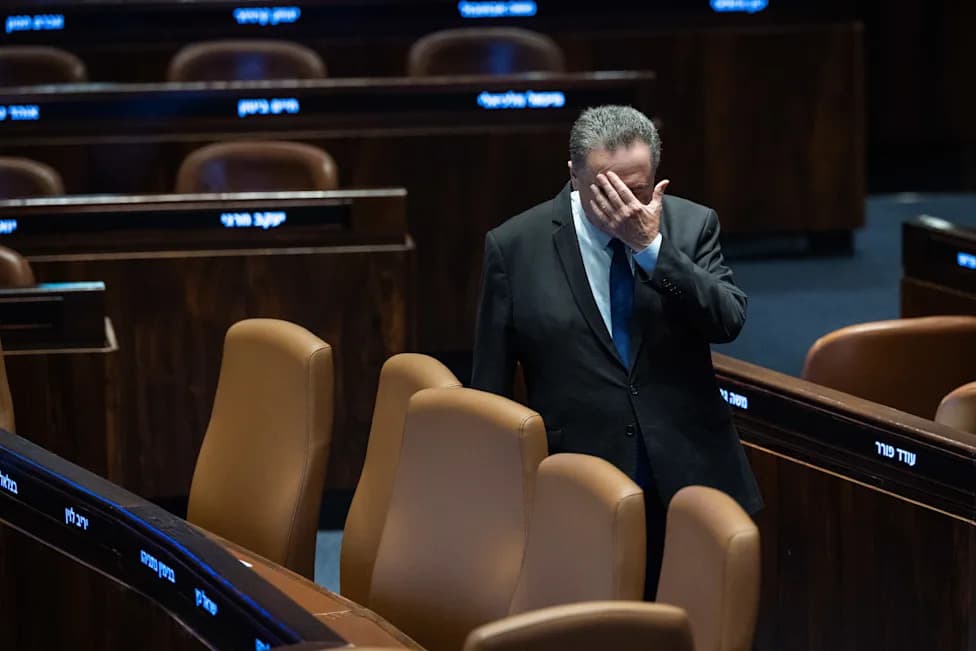
A senior Israeli official has said that Israeli forces will not withdraw from their current positions inside Gaza unless there is a "genuine disarmament" of Hamas in the territory. Hamas, however, says it will surrender heavy weapons only after Israel ends "all forms of aggression" and withdraws its forces.
The exchange follows remarks by former US President Donald Trump, who at a cabinet meeting at Camp David said the Board of Peace had reached an agreement for the "complete disarmament" of Hamas and other armed groups in Gaza. Trump described the proposal as a "big step for the Middle East" and said he had an "understanding" with Israel about the plan, though he did not directly answer whether disarmament would precede Israeli withdrawal.
Israeli stance: A senior Israeli official, speaking on condition of anonymity, reiterated that "there will be no IDF [Israel Defence Forces] withdrawal from the current Yellow Line without the genuine disarmament of Hamas." The Yellow Line is the internal Gaza demarcation to which Israel previously agreed to pull back under the US‑brokered ceasefire; the original deal left Israel temporarily controlling the area behind that line, about 53% of Gaza. Prime Minister Benjamin Netanyahu has not publicly commented on the latest draft; he has previously said the IDF controls more than 60% of Gaza and signalled a directive to move to 70%.
Hamas response: Hamas said any handover of heavy weapons would be contingent on Israel committing to end hostilities and withdrawing its forces. The group reiterated demands for Palestinian self‑determination and an independent state, and said it had negotiated "responsibly and positively" with consensus among Palestinian factions.
What the plan proposes: The latest development is part of the second phase of a US‑brokered, 20‑point ceasefire plan unveiled in September. The plan envisages creating a Board of Peace to oversee implementation, the phased disarmament of armed groups, a gradual Israeli withdrawal to agreed lines, and international assistance for Gaza's reconstruction. The Board of Peace published a roadmap calling for a staged transfer of weapons, monitored withdrawal and deployment of an international stabilisation force.
Voices on the ground: Reactions are mixed. In Gaza, residents such as 18‑year‑old Tala, who has been living in a tent since her home was destroyed, said each ceasefire announcement brings hope but that repeated broken promises deepen fear. An Israeli man interviewed by the BBC said he "prays" the plan will succeed but fears the violence will continue in a cycle.
International reaction: Israel's UN ambassador Danny Danon said Israel looks "forward to implementing" the deal but stressed the need to verify actions, not words. UN Secretary‑General António Guterres called the proposed agreement "the only good news in recent days." UK Foreign Secretary Ed Miliband urged focus on implementing the full 20‑point plan and warned that conditions in Gaza "remain appalling," while Israel denies it is restricting aid entry.
Casualties and concerns: The current conflict began after the Hamas‑led attack on 7 October 2023, in which about 1,200 people were killed and 251 were taken hostage. Israel's military response has produced a high civilian toll; Gaza's health ministry reports more than 73,290 deaths — figures the UN considers a reliable source. A UN commission of inquiry has reported findings that it says indicate possible genocide, including allegations that children have been deliberately targeted, raising international alarm.
The proposed phased disarmament and withdrawal remain highly contested politically and practically, and significant hurdles remain before any agreement can be implemented on the ground.
Help us improve.