
Our Solar System hosts nearly 900 known natural satellites; five of the largest — the Moon, Io, Callisto, Titan and Ganymede — each offer unique scientific value. Io is volcanically hyperactive from tidal heating; Callisto preserves the oldest cratered terrain and may hide a subsurface ocean. Titan has a dense nitrogen atmosphere with methane lakes, while Ganymede is the biggest moon and sports its own magnetic field and probable deep ocean. The Moon remains central to human exploration plans.
Five Biggest Moons in the Solar System — What Makes Each One Special
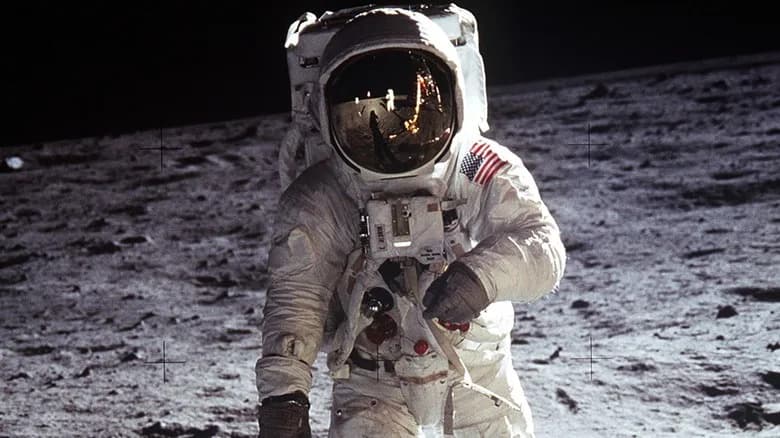
Wikimedia Commons Public Domain
For most of human history the only known natural satellite was Earth's Moon. It wasn't until Galileo Galilei turned a telescope to Jupiter on January 7, 1610, that several large moons beyond Earth were revealed. Today astronomers have catalogued roughly 891 measurable natural satellites in our Solar System, spanning tiny captured rocks to world-sized moons with active geology and thick atmospheres.
The Moon (Earth)
Diameter: ~2,160 miles | Average distance: ~240,000 miles
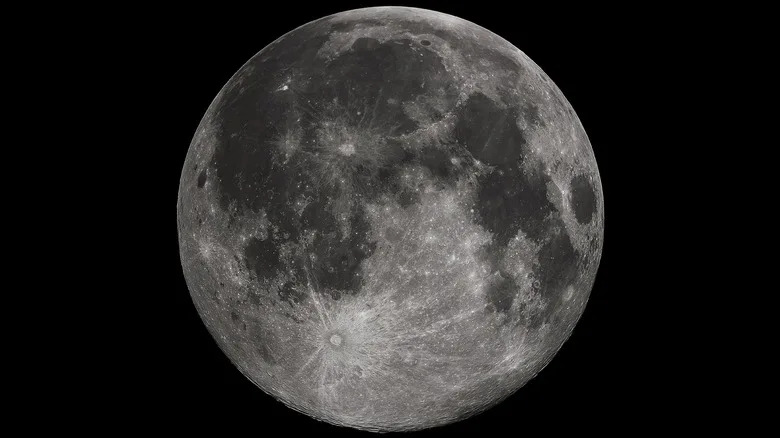
Gregory H. Revera/Wikimedia Commons
The Moon is Earth’s nearest neighbor and the first satellite known to humanity. The leading origin theory is a giant-impact early in Earth's history, leaving debris that coalesced into the Moon. Human exploration began in 1969 with Apollo 11, and international treaties make the Moon common heritage rather than national property. NASA’s Artemis program aims to return humans to the lunar surface and use the Moon as a staging point for deeper space missions.
Io (Jupiter)
Diameter: ~2,264 miles | Avg. orbital distance from Jupiter: ~262,000 miles
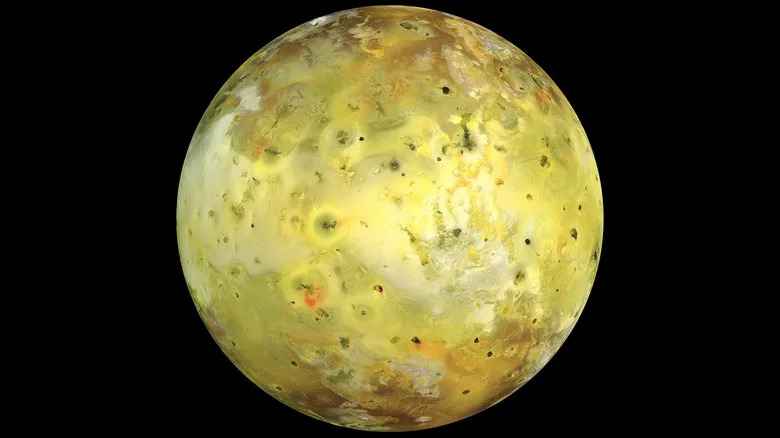
Wikimedia Commons Public Domain
Io is slightly larger than Earth's Moon but is most notable for extraordinary volcanic activity. Tidal forces from Jupiter and orbital interactions with other moons generate intense internal heat (tidal heating), powering more than 400 active volcanoes and continuously resurfacing Io. Despite this internal heat, Io remains far from the Sun (about 5.4 AU), giving an average surface temperature near -202°F. Scientists study Io as a dramatic example of how gravity can drive planetary geology.
Callisto (Jupiter)
Diameter: ~2,996 miles
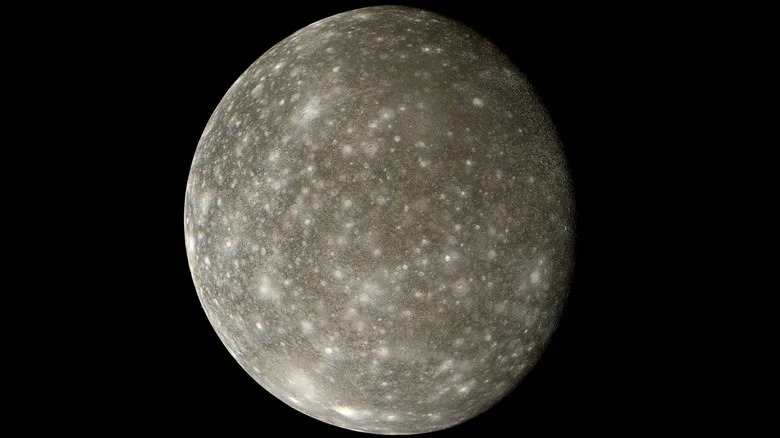
zelario12/Wikimedia Commons
Callisto’s heavily cratered surface is among the oldest and most preserved in the Solar System. Lacking strong tectonic or volcanic activity, its landscape has remained largely unchanged for ~4 billion years. Callisto has a very tenuous exosphere (mainly CO2) and is a candidate for a subsurface, salty ocean—models and measurements suggest liquid water could exist hundreds of kilometers beneath the crust, making Callisto of interest for astrobiology despite the cold, irradiated environment at the surface.
Titan (Saturn)
Diameter: ~3,200 miles | Atmosphere: Dense, mostly N2 with methane
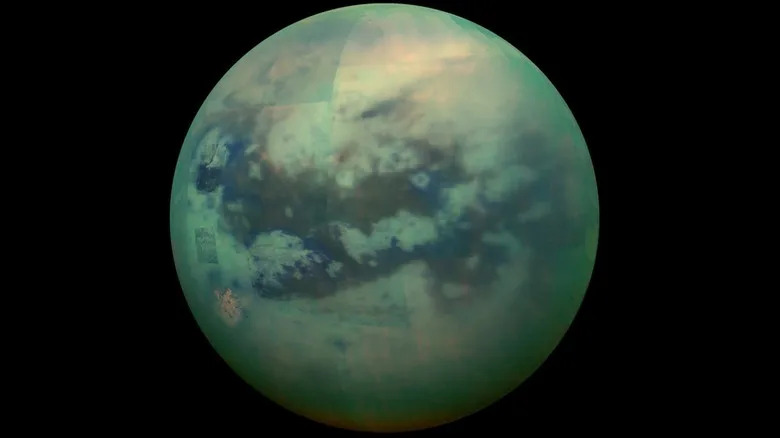
Wikimedia Commons Public Domain
Titan is the second-largest moon in the Solar System and the only one with a thick, Earth-like nitrogen atmosphere (≈95% N2, ~5% methane). Surface temperatures are extremely cold (~-209°F), so water acts like rock while methane and ethane form rivers, lakes and rain—creating a unique, active hydrocarbon cycle. Cassini–Huygens revealed complex organic chemistry and evidence for a subsurface ocean of water mixed with ammonia. The Huygens probe landed on Titan in 2005 and returned valuable images and atmospheric data.
Ganymede (Jupiter)
Diameter: ~3,270 miles — the largest moon in the Solar System
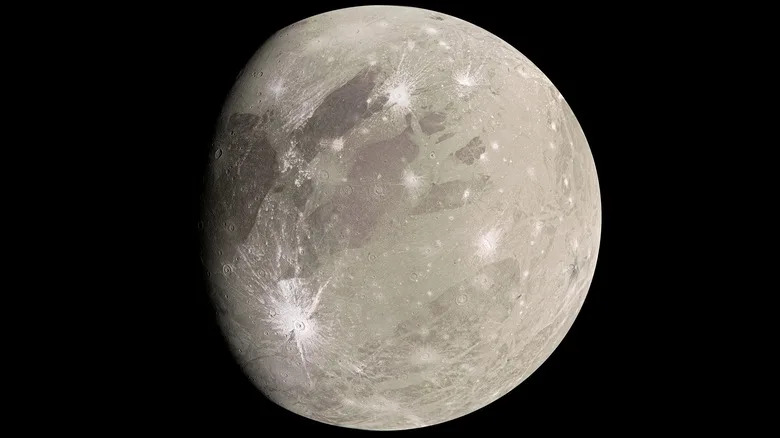
NASA/Wikimedia Commons
Ganymede is larger than the planet Mercury and is unique among moons for possessing an intrinsic magnetic field, which produces aurora-like effects. Observations and modeling indicate a layered interior that likely includes a deep, saline subsurface ocean; estimates suggest this ocean could be tens of miles thick beneath an icy crust. Ganymede’s surface shows both ancient, heavily cratered regions and somewhat younger tectonic features, pointing to a complex geological history.
Why these moons matter: Together these five satellites showcase the breadth of environments in our Solar System — from volcanically restless Io and the ancient record preserved on Callisto, to Titan’s organic-rich atmosphere and Ganymede’s magnetic and oceanic mysteries — and they remain prime targets for future exploration and studies of planetary processes and potential habitability.
Help us improve.





















