Piraquara de Fora Cove in Ilha Grande Bay has been identified as a major nursery for blacktip sharks, helped by warm water discharged from Brazil’s CNAAA nuclear plant. Researchers using BRUVS, drones and SPOT satellite tags documented repeated annual use by pregnant females and recorded over 50 sharks in July 2024. The site earned ISRA status under sub-criterion C5, but threats from unregulated fishing, tourism and shark meat consumption remain. Community outreach, health warnings about heavy metals, ecotourism pilots and calls for legal protections aim to secure the nursery.
Warm Water and Local Action Turn Brazilian Cove Into a Vital Blacktip Shark Nursery
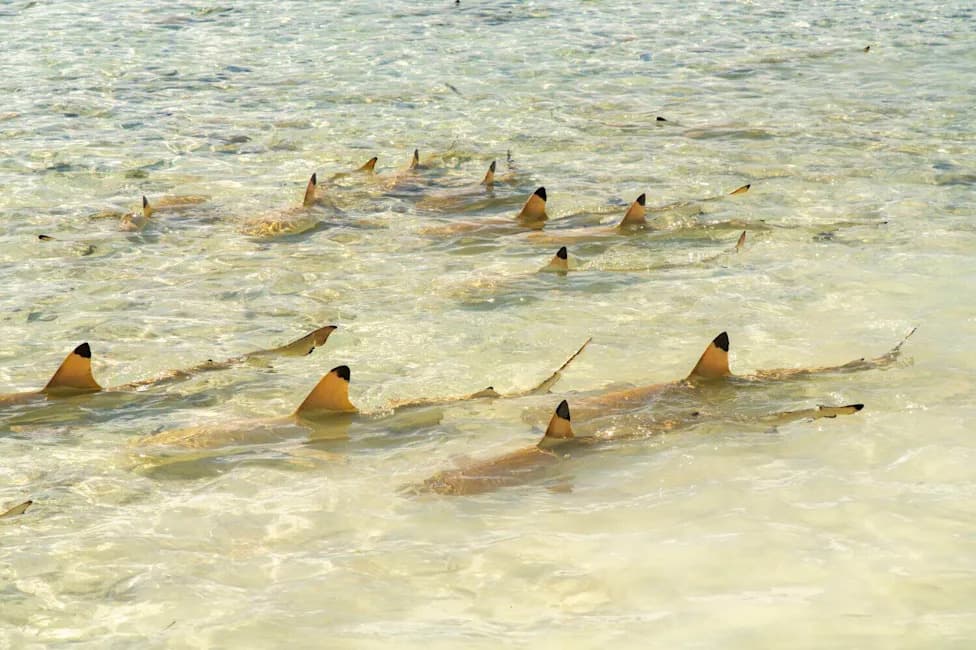
French Polynesia, Rangiroa Atoll. Black-tipped reef shark nursery in Blue Lagoon.© Danita Delimont/Shutterstock.com
Piraquara de Fora Cove, tucked into Ilha Grande Bay off Angra dos Reis, Brazil, looks unlikely as a wildlife haven: it sits beside a bustling coastline and the Central Nuclear Almirante Álvaro Alberto (CNAAA) power complex. Yet researchers have identified the cove as one of the South Atlantic's most important nurseries for blacktip sharks (Carcharhinus limbatus).
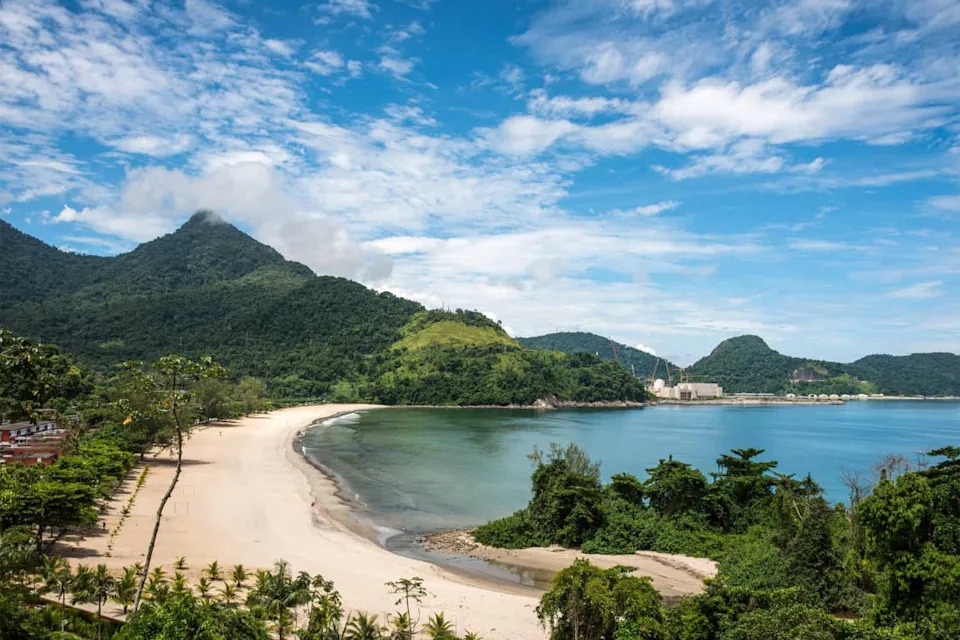
The Angra Nuclear Power Plant complex is currently the only operational nuclear power facility in Brazil.©Ksenia Ragozina/Shutterstock.com
Discovery and Methods
Multi-year research by the Pesqueria Project and the "Sharks of Ilha Grande Bay" initiative (run by the Brazilian Institute for Nature Conservation) used noninvasive technologies to document repeated use of the cove by pregnant blacktip females. The team deployed Baited Remote Underwater Video Systems (BRUVS) to capture in-water behavior, flew drones along fixed transects to map aggregations from above, and fitted some sharks with SPOT satellite tags for longer-term tracking.
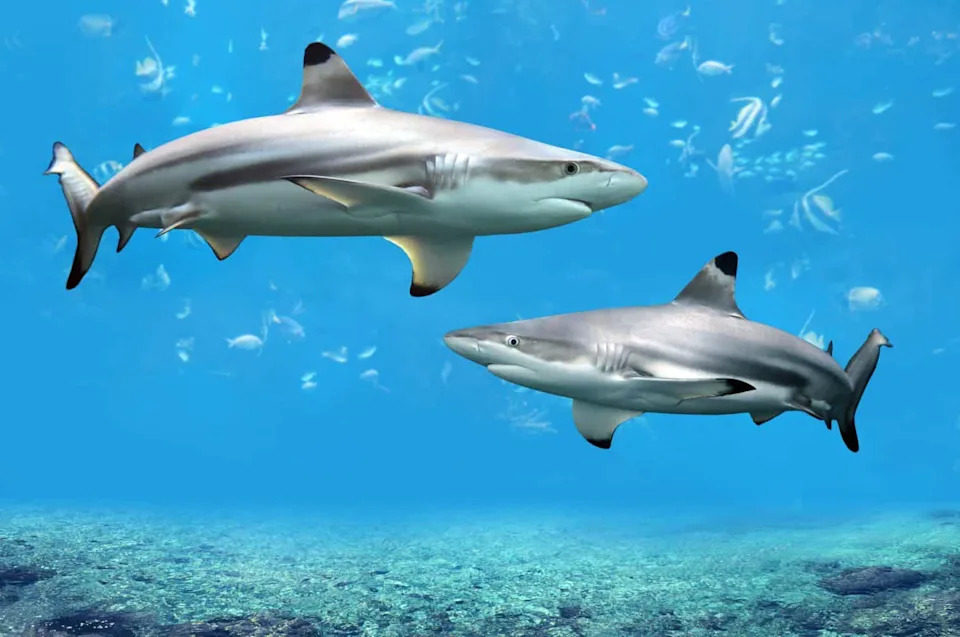
Blacktip sharks are typically not aggressive toward humans.©Gino Santa Maria/Shutterstock.com
In a July 2024 drone survey researchers recorded more than 50 blacktip sharks just outside the power plant's thermal discharge zone. One tagged female remained in Ilha Grande Bay for three months before migrating into the mid-Atlantic Ocean. These observations, supported by water and habitat sampling, led to the cove's recognition as an Important Shark and Ray Area (ISRA) under sub-criterion C5 for aggregations.
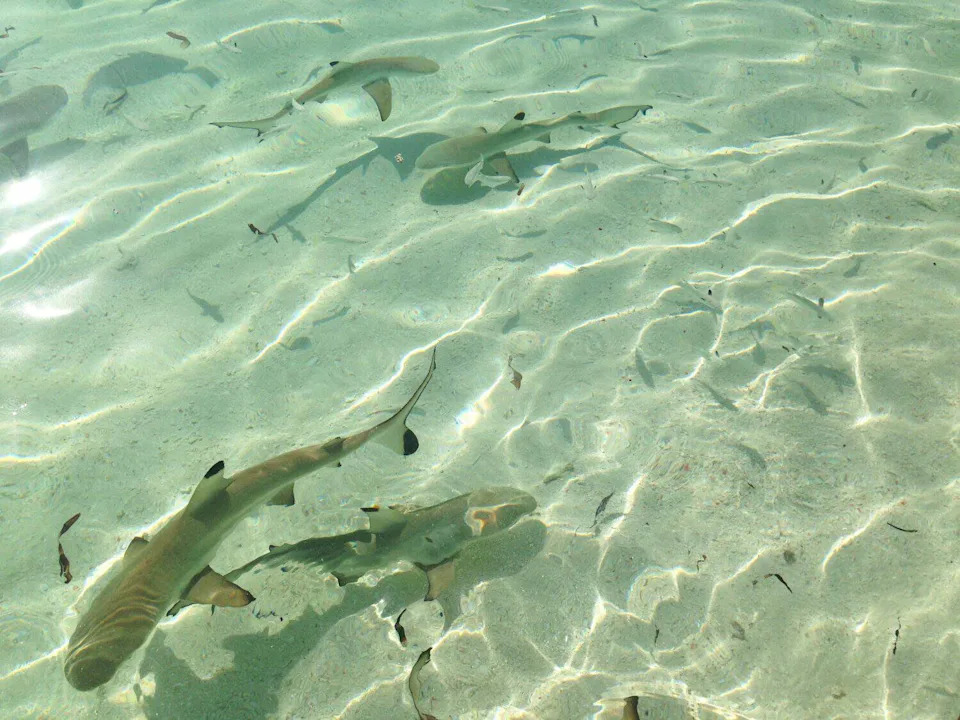
Blacktip sharks are typically shy and timid.©Andrian Libriyono/Shutterstock.com
Why This Cove Works As A Nursery
The cove offers key advantages for newborn sharks: shallow, protected waters that limit access by larger predators, and abundant prey—especially large schools of mullet (family Mugilidae). A thermal plume from the CNAAA plant increases surface temperatures near the outlet by as much as 37.4°F (about 20.8°C) above the regional baseline of 71.6°F (22°C), across roughly 1.4 square miles. Warmer, calmer conditions likely enhance pup survival and growth during critical early months.
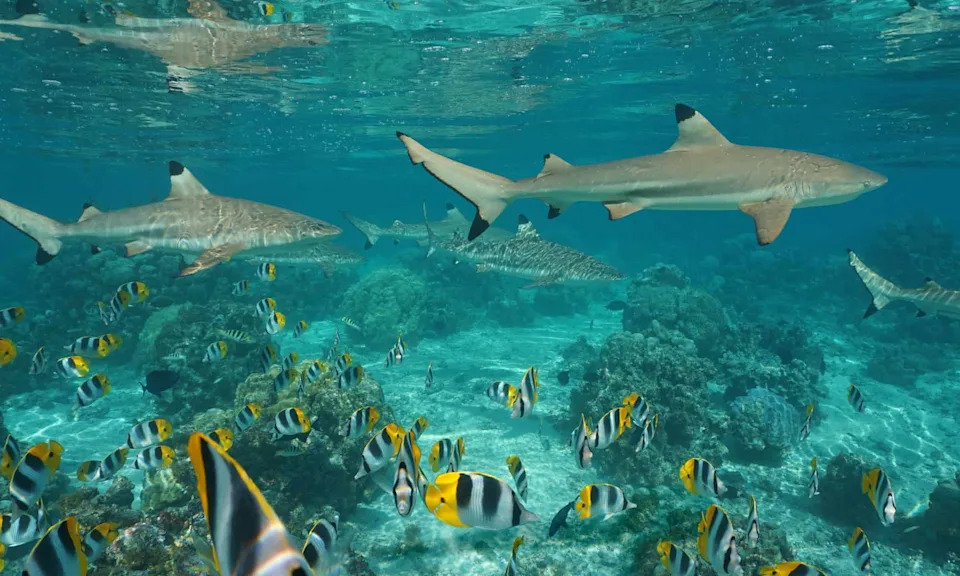
There are no official records of a human ever killed by a blacktip shark.©iStock.com/damocean
Conservation Threats
Despite these benefits, the nursery faces persistent human pressures: unregulated fishing (including targeted takes and bycatch), recreational disturbances from boats and jet skis, and local consumption of shark meat—often sold under the generic name cação. As apex predators, sharks bioaccumulate heavy metals such as mercury, lead, and arsenic; researchers have used this public-health message to discourage consumption and build local support for protection.
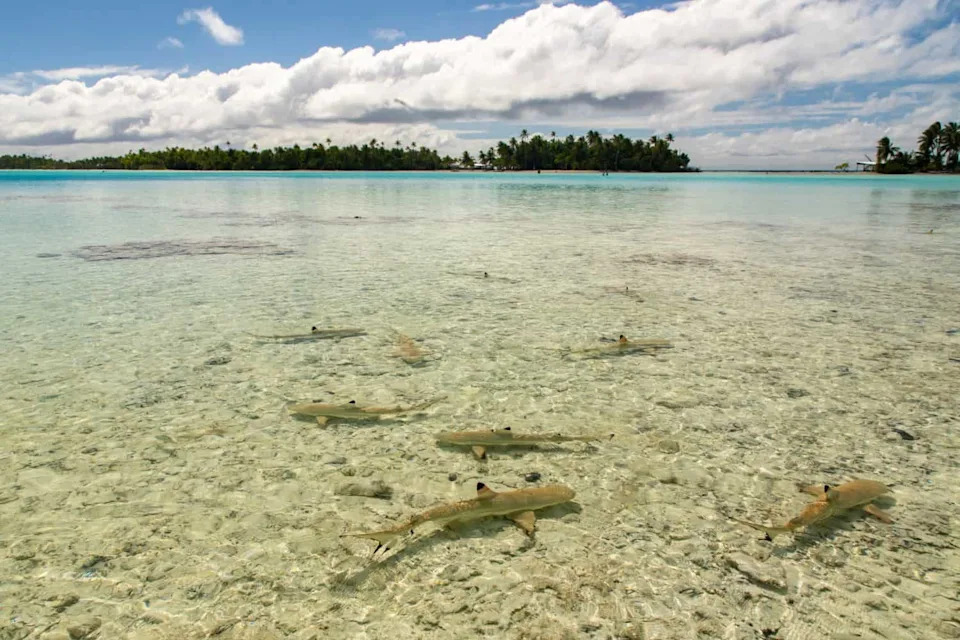
Female blacktip sharks give birth to around four to seven pups.©Danita Delimont/Shutterstock.com
Local Engagement and Solutions
Scientists and conservationists have engaged local fisheries and communities through school programs, town-hall meetings, and fisher outreach. Initiatives promote fishing practices that avoid catching pregnant females and pups, and community members are piloting ecotourism options—land-based, boat-based, and underwater shark-watching tours—to create alternative livelihoods that reward conservation.
Next Steps
Community support is high, but long-term success depends on legal safeguards. Although the ISRA designation overlaps with the Tamoios Ecological Station, existing regulations do not fully protect the specific habitat features the sharks depend on. Researchers are petitioning environmental authorities for targeted protection zones and fisheries restrictions within the cove to secure the nursery for future generations.
Bottom line: Warm water from a nearby nuclear plant has unintentionally helped create a rare, high-value nursery for blacktip sharks. Protecting that habitat through community action and legal measures is now essential to ensure more pups survive to adulthood.
Help us improve.