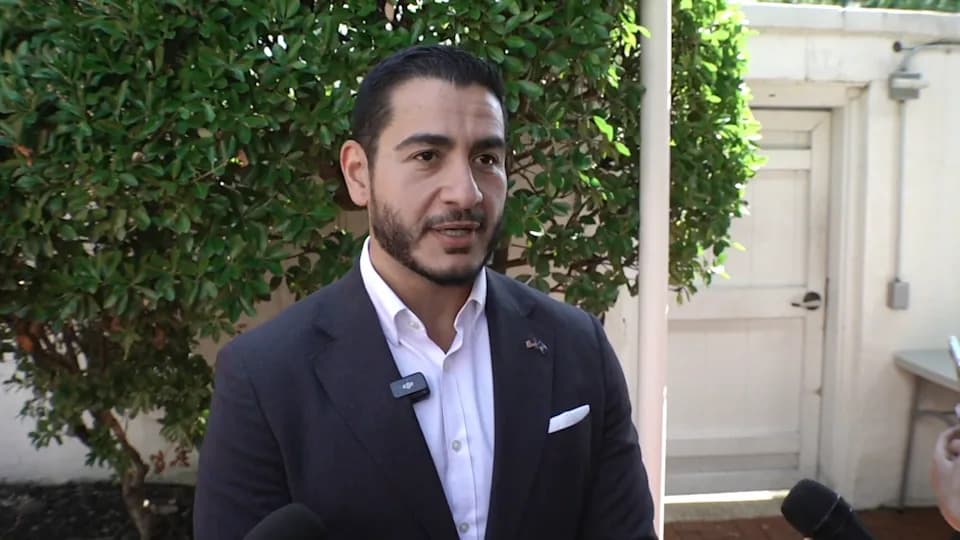
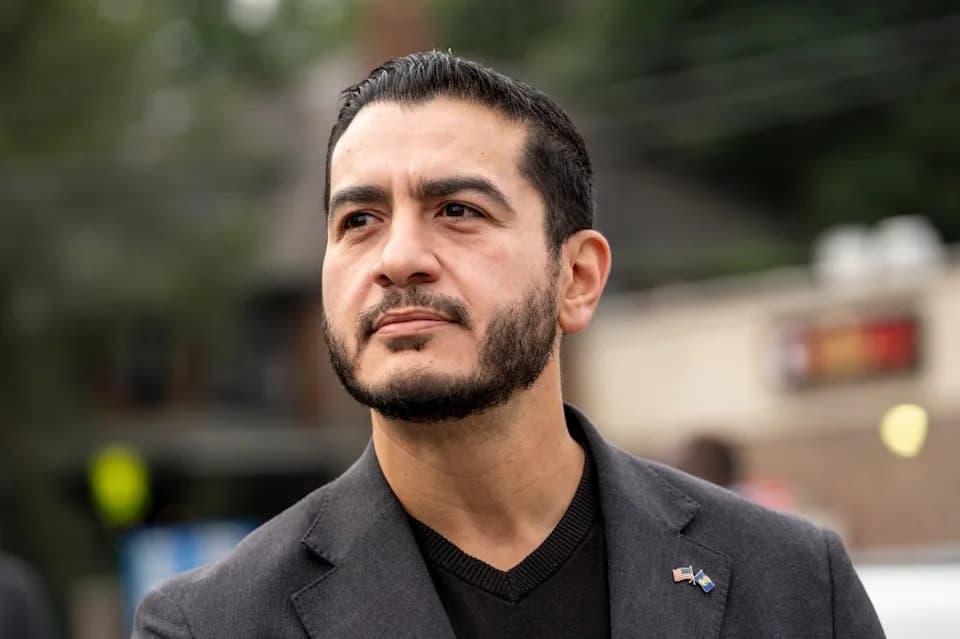
The Michigan Democratic Senate primary between Rep. Haley Stevens and Abdul El‑Sayed enters its decisive week, crystallizing a national debate between moderates and progressives. Emerson College polling gave El‑Sayed a sizable lead, though other surveys show mixed results. The campaign has turned bitter, featuring attacks over Israel policy, AIPAC funding, racial tensions and competing claims about general‑election electability. The outcome will be an important test of whether progressives can win competitive statewide races in purple states.
Michigan Senate Primary Nears Climax: A Test of Moderates vs. Progressives
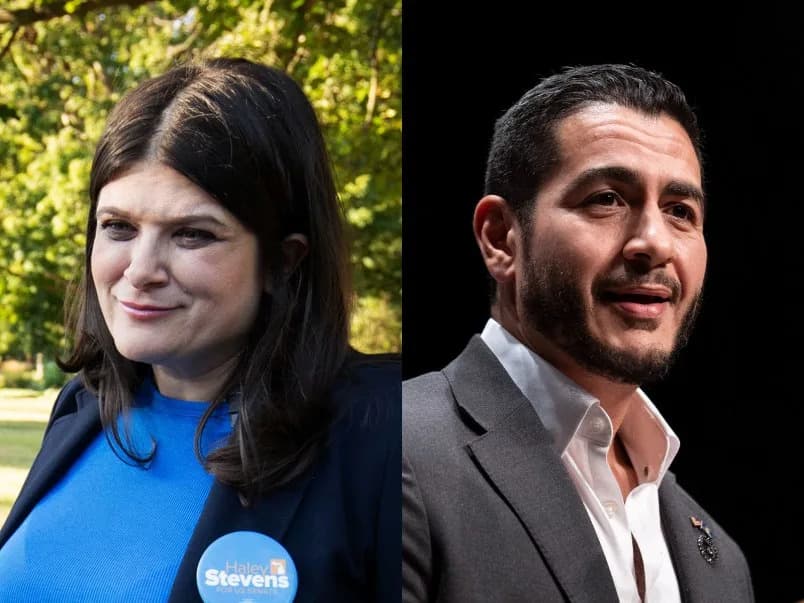
The Democratic Senate primary in Michigan between Rep. Haley Stevens and public health official Abdul El‑Sayed is entering its final week, and the race has become a pivotal battleground in the party’s broader struggle between establishment moderates and insurgent progressives.
Stevens, a four-term congresswoman who flipped a Republican-held district in 2018, is pitching experience and electability in a purple state. She has drawn criticism for her support of military aid to Israel and for receiving significant contributions from pro-Israel groups, which opponents say ties her to the Democratic establishment.
El‑Sayed, who previously ran statewide in Michigan in 2018, has positioned himself as an outsider and a class-focused reformer. Backed by prominent progressive figures and grassroots enthusiasm, he argues that bold change is needed to reinvigorate the party and appeal to voters frustrated with the status quo.
Polling Signals — Mixed and Noisy
Polling in the race has been uneven and punctuated by campaign-released private surveys. One of the more notable results came from Emerson College, which reported El‑Sayed leading Stevens by 16 points and attracting a large advantage among independent voters. By contrast, a separate Michigan poll suggested a different dynamic: Stevens was competitive with Republican Mike Rogers in a head-to-head match-up, while El‑Sayed trailed Rogers by roughly 10 points.
Negative Tactics and Racially Charged Attacks
The primary has grown acrimonious. Republicans and outside groups have circulated attacks aimed at El‑Sayed's patriotism and background, including use of his full name in ways critics call Islamophobic. The AIPAC-backed United Democracy Project ran ads that misleadingly implied former President Barack Obama endorsed Stevens this cycle and used out-of-context lines to suggest El‑Sayed criticized Michelle Obama.
Inside the Democratic contest, attacks have focused on race, community divisions and personal credibility. Stevens’ campaign has highlighted tensions between some Black and Arab American voters related to 2024 primary dynamics, while critics of Stevens say her ties to large donors and corporate interests make her less independent. Campaign exchanges have turned personal: El‑Sayed called Stevens “a suit with a large AIPAC bank account” in an interview, and a widely shared video shows him calling her “the least capable candidate in America.” Stevens has fired back by reminding audiences of El‑Sayed’s past statewide loss and questioning his general-election appeal.
Policy Differences And Electability Questions
Policy divides are real: El‑Sayed has advocated for progressive priorities such as Medicare expansion and redirecting some law-enforcement funding toward community investments, while Stevens emphasizes experience, retail campaigning and a more traditional Democratic governing approach. Both camps frame the contest as a choice between short-term electability and long-term transformation.
Why This Race Matters
Michigan's nominee will offer a test case: can a progressive insurgent win a competitive statewide general election in a purple state, or does an establishment-backed moderate give Democrats the best path to keeping a key Senate seat? For national Democrats, the result will shape strategy and messaging in future Senate battles.
Whatever happens next week, the Michigan primary will be treated as a bellwether for the party’s direction — and for whether energized progressive activism can translate into victories beyond heavily blue cities and safe House districts.
Help us improve.