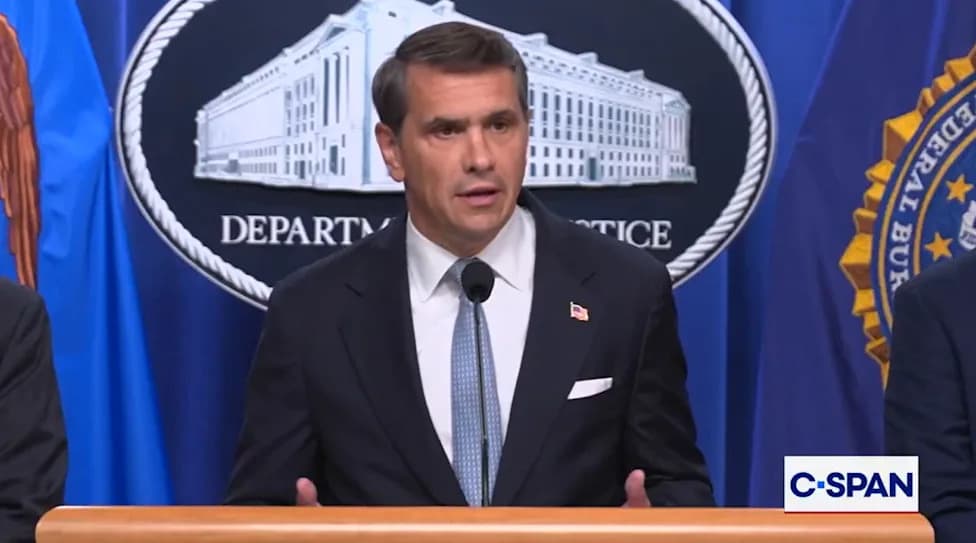
Todd Blanche, Trump's nominee for attorney general, has publicly said he will abandon a $1.8 billion DOJ fund announced on May 19 to pay legal bills for political allies, but he has not put that pledge in writing. That refusal has stalled his Senate confirmation after Republican Senators John Cornyn and Thom Tillis demanded a formal rollback and the removal of a provision granting IRS‑audit immunity to Trump’s family. Critics warn keeping the fund option alive would allow taxpayer money to flow to well‑connected right‑wing attorneys and nonprofit legal groups.
Why Todd Blanche Hasn't Put Trump’s $1.8B Legal-Fund Pledge in Writing
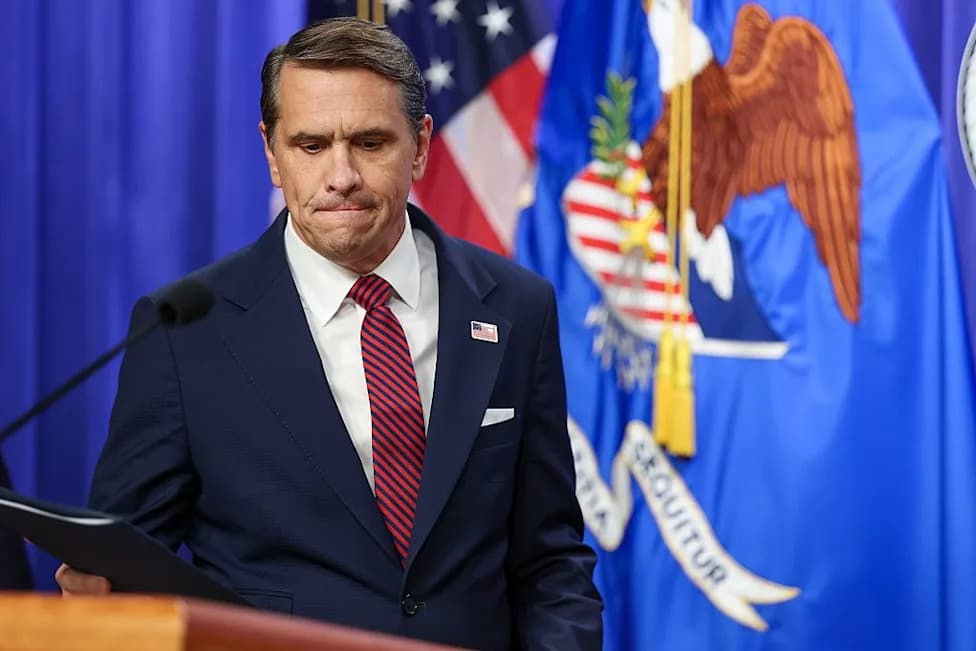
Acting Attorney General Todd Blanche Tasos Katopodis / Getty Images
Todd Blanche, President Donald Trump’s nominee to be U.S. attorney general, has publicly said he will not pursue a $1.8 billion Department of Justice fund announced on May 19 to reimburse legal bills for political allies. The plan drew immediate bipartisan criticism, and a federal judge blocked disbursements tied to the proposal.
As acting attorney general, Blanche said the administration would voluntarily abandon the mechanism. But he has not signed a written commitment to that effect, and his reluctance to put the promise on paper is now imperiling his Senate confirmation to lead the Justice Department on a permanent basis.
What Blanche’s Silence Means
The practical consequence of Blanche’s refusal to memorialize his pledge is straightforward: keeping the option open to revive the fund later. Critics argue that preserving that option would allow the administration to channel taxpayer dollars into large settlements and fee payments for lawyers who represent prominent conservative figures.
Blanche is familiar with the business model at issue. Before rejoining the Justice Department—first as deputy attorney general under Pam Bondi and then as her successor—he represented high-profile clients, including former President Trump, and his private firm reportedly earned millions from politically connected sources. According to reporting, Blanche’s firm received nearly $10 million between March 2023 and December 2024 from a political action committee that was ostensibly funding Republican campaigns.
Political Pushback And Confirmation Risk
Blanche’s nomination stalled after two outgoing Republican senators, John Cornyn (R-Tex.) and Thom Tillis (R-N.C.), demanded a written commitment that the fund would be dismantled and that a provision shielding Trump’s family from perpetual IRS audits be rescinded. Their objections delayed a Senate Judiciary Committee vote.
“This is not popular,” Tillis told The New York Times. “It is killing some of our candidates because they can't explain it. And now it looks like they weren't being honest when they said it was inoperative.”
Democrats on the House Judiciary Committee warned that the fund could become a "pipeline of taxpayer-funded payouts to political allies and convicted criminals," and some conservative commentators have said Blanche has resisted putting his promise in writing because the president wants the option preserved.
Existing Payouts And Potential Beneficiaries
The White House and Justice Department have already used related mechanisms to send significant payments to Trump allies. Reporting has cited a nearly $5 million payment to the family of Ashli Babbitt over her Jan. 6 death and a seven-figure payout to Paul Vaughn, who had been convicted of conspiring to blockade an abortion clinic before being pardoned.
If the $1.8 billion fund were restored, well-connected conservative law firms and nonprofit legal groups—such as the Thomas More Society and Alliance Defending Freedom—stand to gain. Private attorneys who represent pardoned or politically connected clients could also seek settlements or fee arrangements that funnel public funds to their practices.
Outlook
Senate Majority Leader John Thune suggested the nomination could return quickly if Cornyn and Tillis’ concerns are addressed, implying a short pause or a limited written assurance might be sufficient. Alternatively, a sustained refusal by those senators to support Blanche would be an uncommon instance of GOP resistance to the president and could scuttle his confirmation.
Beyond the confirmation fight, the controversy raises broader questions about the use of government resources to resolve politically charged legal disputes and the long-term implications for public trust in the Justice Department.
Help us improve.