Summer heat waves — including one that triggered a federal emergency order for 17 states — are stressing the U.S. electric grid and exposing the limits of planning for a single hourly peak. Utilities, led by examples in Texas and California, are relying on batteries, weatherization, demand response and virtual power plants to keep systems reliable. Regulators and researchers say the future grid will require greater flexibility, diverse resources and active demand management to handle longer, hotter summers and surging AI-driven electricity demand.
How This Summer's Heat Waves Are Forcing a Faster, Smarter Electric Grid
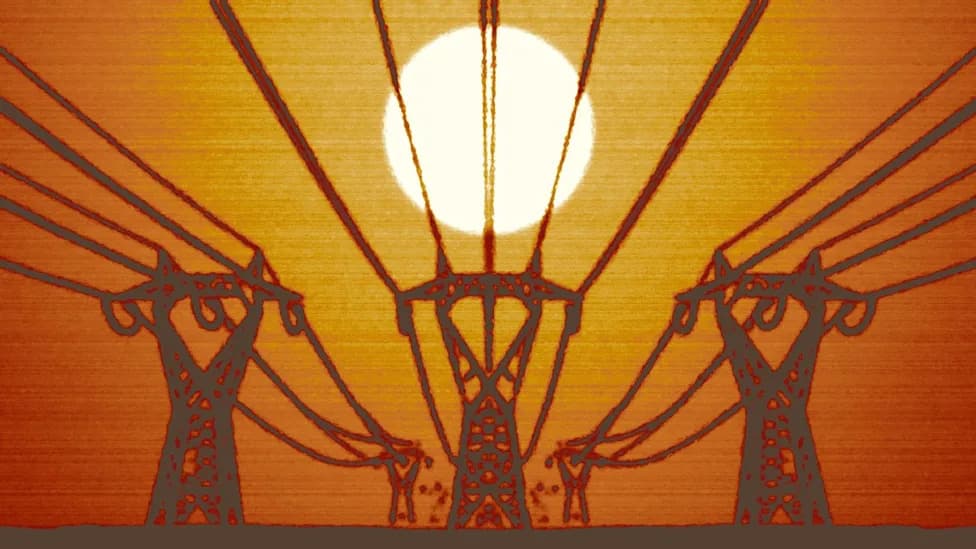
Illustration: Brendan Lynch/Axios
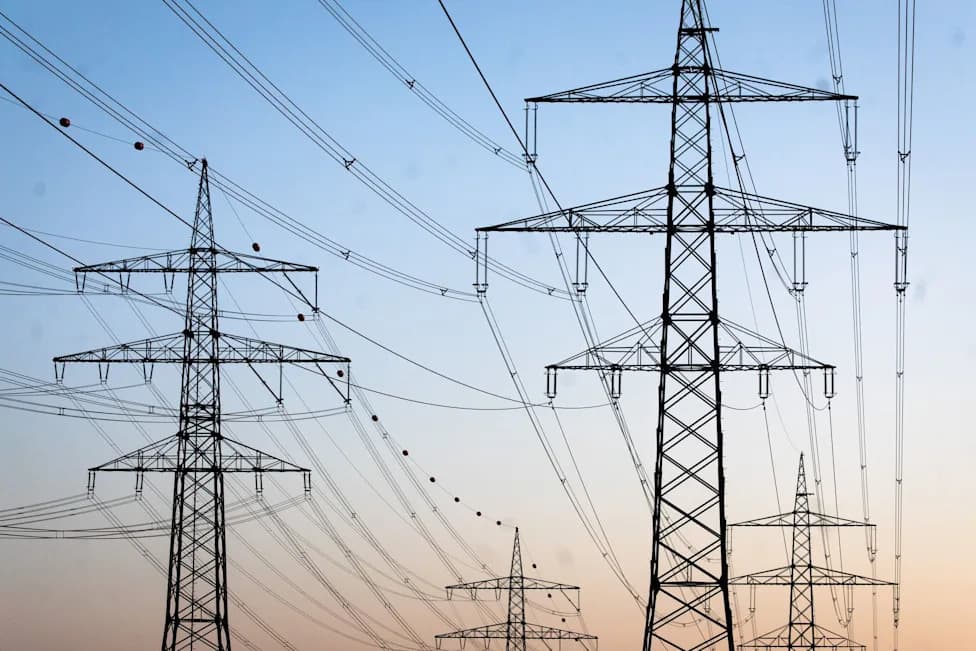
A series of dangerous heat waves this summer — including one that prompted a federal emergency order covering 17 states — is subjecting the U.S. electric grid to a severe, real-world stress test.
Why it matters
Repeated, longer heat spells are changing how utilities plan for peak demand. Rising cooling loads from climate change, together with rapidly growing electricity use from AI data centers, are forcing system operators to prioritize flexibility, diverse resources and more-active demand management.
State of play
Heat waves create a twofold challenge: they increase electricity demand for air conditioning while reducing the performance of some thermal generators. That combination raises the risk of shortages during extended hot periods rather than just a single hourly peak.
Zoom in: Texas as a test case
Texas has become a major proving ground for grid modernization after the deadly 2021 winter storm exposed vulnerabilities. The Electric Reliability Council of Texas (ERCOT), which operates most of the state's grid, has met record seasonal demand by rapidly deploying batteries, enforcing mandatory weatherization, improving forecasting and expanding demand-response programs.
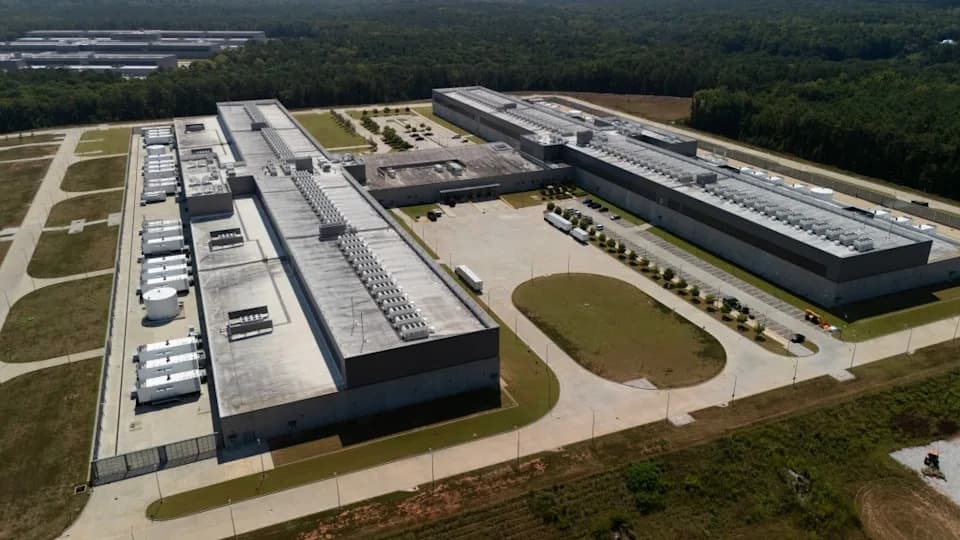
Regulators recently approved standards requiring large data centers to disconnect in a controlled way during grid disturbances to help protect overall stability. ERCOT also warned lawmakers it expects statewide demand to approach about 175,000 megawatts by 2032 — nearly double this month’s record levels — underscoring the scale of the challenge.
Mix of solutions, not a single silver bullet
Experts emphasize that no single technology will 'save the day.' Instead, a portfolio of resources and smarter operations matters most.
Sascha von Meier, a retired UC Berkeley electrical engineering professor, notes that Texas has aggressively added transmission, solar, wind and batteries — but the rapid rise of AI data centers introduces new operational complexity. Aidan Tuohy of the Electric Power Research Institute (EPRI) says planners are shifting from designing for a single peak hour to ensuring reliability across prolonged heat events.
Distributed resources and virtual power plants
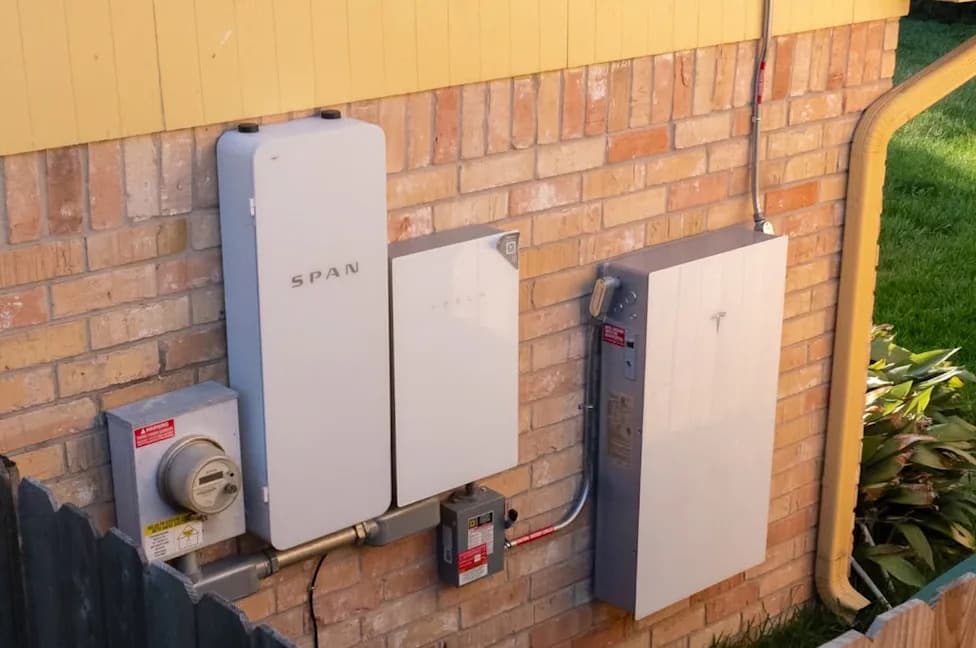
More utilities are aggregating home batteries, rooftop solar and EV chargers via software platforms to create virtual power plants that can either supply electricity or reduce demand when the grid is stressed. California’s grid operator and studies from CAISO have called batteries 'invaluable for reliability' after they helped the state avoid rotating outages during a record 2022 heat wave.
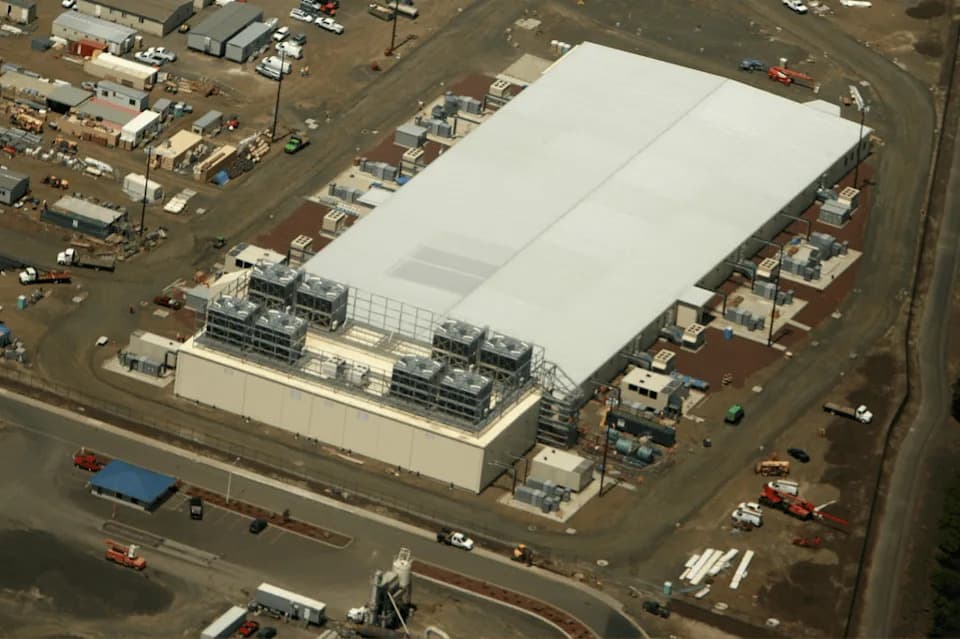
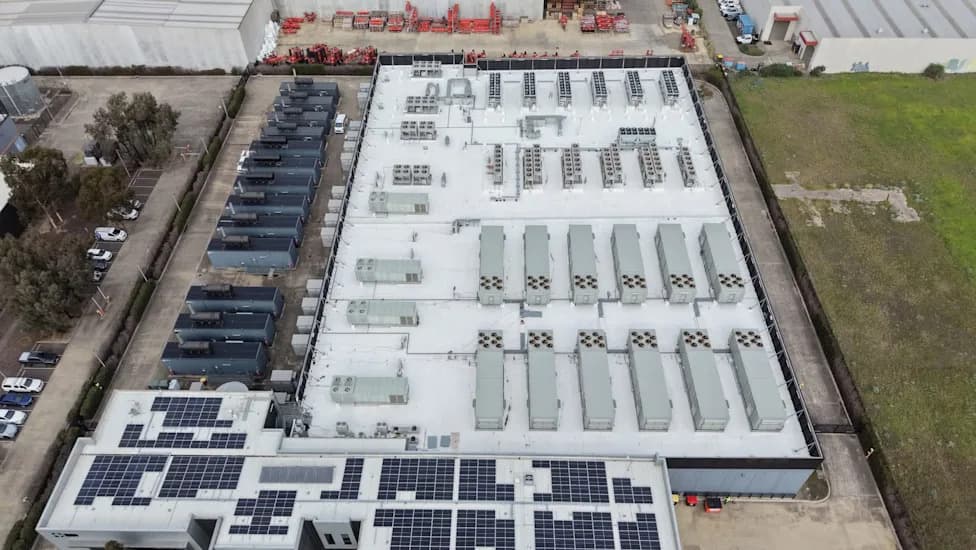
Utilities are also exploring whether large data centers can behave as flexible grid resources. Early results from an EPRI demonstration in Arizona showed a participating AI data center reduced electricity consumption by 25% for three hours during a simulated peak-demand event.
What to watch next
Experts expect grids to become noticeably more agile within five years. Greater emphasis will be placed on efficiency, storage, self-generation, microgrids and active demand management. As Tuohy puts it, grid reliability will be decided not by individual components, but by how all components work together.
Bottom line
This summer’s heat waves are accelerating changes that were already underway: a move toward diverse, flexible resources and smarter operational strategies to keep the lights on as demand patterns shift.
Help us improve.