This year’s very strong El Niño, together with ongoing climate change, threatens to reduce global rice yields and could trigger regional shortfalls. The USDA projects the first global production drop in over a decade, with U.S. output possibly falling by more than half. Investments in irrigation and hardier rice varieties have improved resilience, but groundwater depletion, higher temperatures, and underestimated model losses (about 8% per °C) remain major concerns.
El Niño Threatens Global Rice Yields — A Rough Year Ahead for the World’s Staple Crop
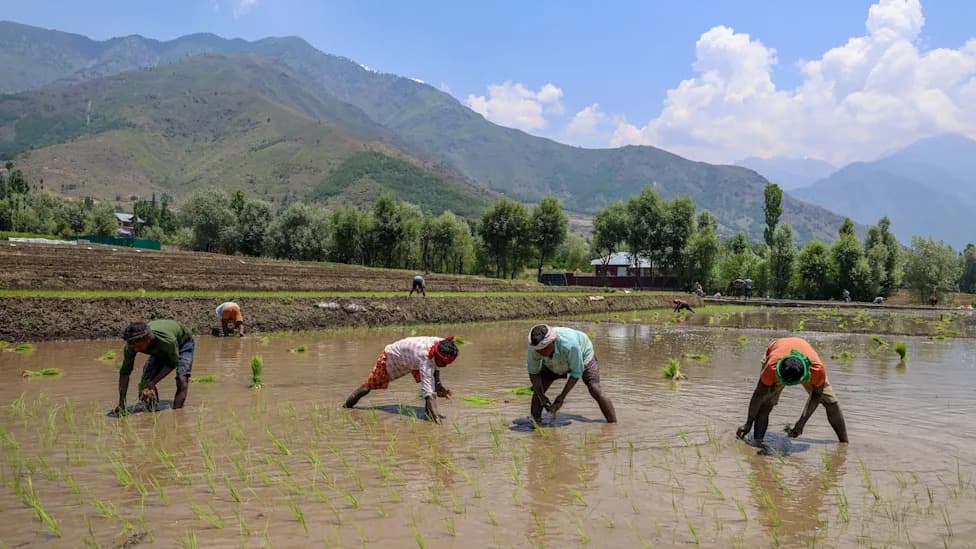
Why rice crops could be in for a weird year
More than half the world depends on rice as a dietary staple. This year, an unusually strong El Niño combined with mounting effects of climate change is raising the risk of hotter, drier conditions that could sharply reduce rice yields in several key producing and importing regions.
Why This Year Matters
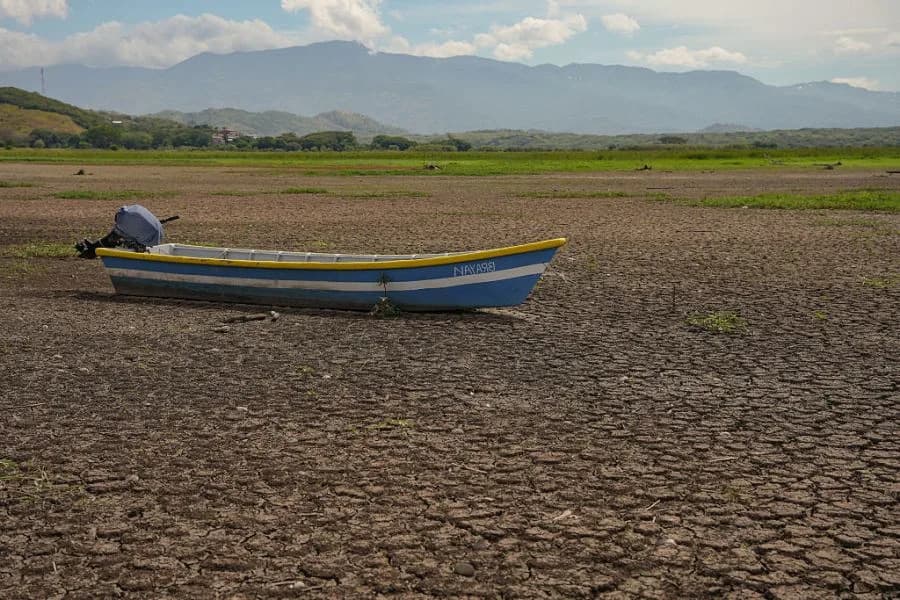
Projections from the U.S. Department of Agriculture indicate global rice production may decline for the first time in over a decade. In the United States — where most rice is grown in the Mississippi Delta — forecasts suggest output could fall by more than half, potentially reaching the lowest levels in about 40 years.
What El Niño Does
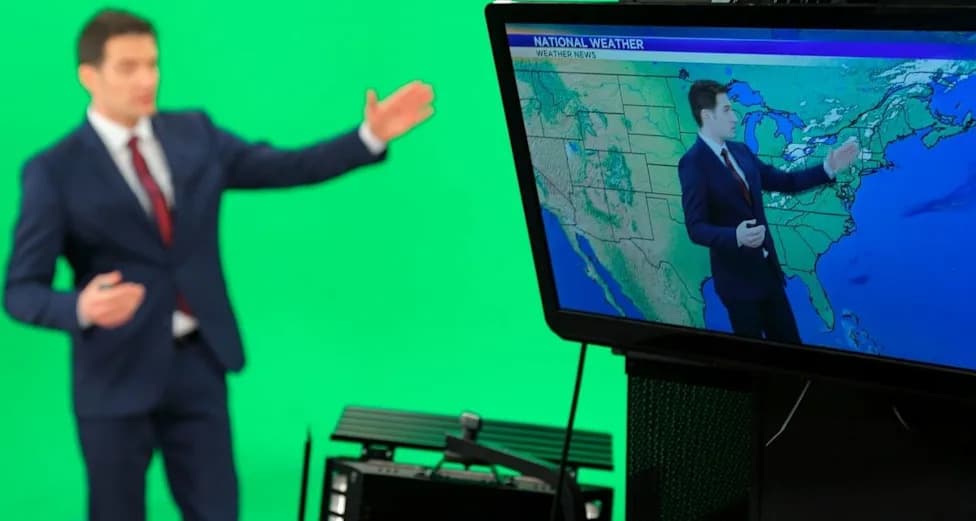
Climate scientists warn the current El Niño is likely to be among the strongest on record, often described as a "super El Niño." Researchers at Columbia University's Climate School report it has already reached very strong levels and will probably intensify. During such events, weakened trade winds allow warmer Pacific surface waters to migrate eastward, strengthening atmospheric convection and sending waves of altered weather around the globe.
"That acts like ringing a bell," said Radley Horton of Columbia University. "It sends out waves that resonate all across the globe."
Risks to Production
Rice yields are sensitive to heat, water availability, and the timing of the monsoon in Asia. High temperatures can substantially reduce rice yields, according to Atul Jain, professor of climate and atmospheric sciences at the University of Illinois. A recent study suggests climate models may have underestimated production losses by as much as half, estimating about an 8% drop in rice output for each degree Celsius of warming.
Jeremy Zwinger, president and CEO of The Rice Trader, summarized the stakes: "Drought kills commodities." Regions that rely on imported rice — including the Philippines and many parts of sub-Saharan Africa — are especially vulnerable to price shocks and shortages.
Adaptation, Trade-Offs, and Inequality
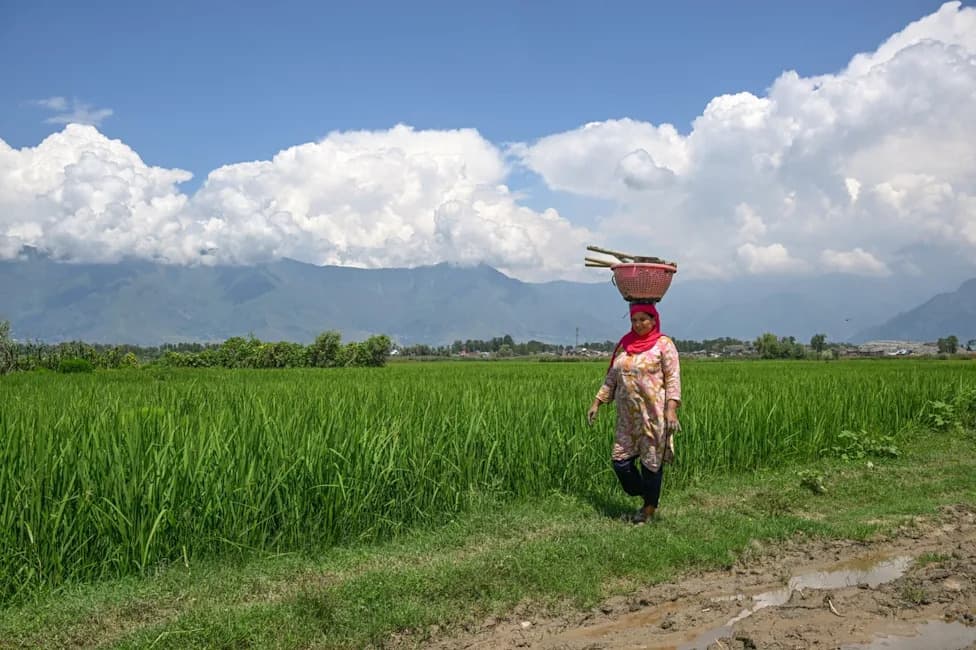
There is reason for cautious optimism. Investments over recent decades in irrigation, seed breeding, and other agricultural technologies have increased resilience. Improved rice varieties and smarter water management have helped countries such as India boost production and cope with variable monsoon patterns.
However, some adaptation measures carry trade-offs. Intensive irrigation has in places relied on heavy groundwater pumping. "For this season, the rice growers have basically used ground water," said Sampriti Baruah of the World Resources Institute, warning that unsustainable withdrawals will create long-term problems for farmers.
Another complicating factor is that elevated atmospheric carbon dioxide can temporarily enhance photosynthesis and water-use efficiency in rice, slightly boosting yields — but this does not offset the broader damages from higher temperatures, erratic rainfall, salinity intrusion, and extreme events.
Outlook and What’s Needed
Experts emphasize the importance of continued investment in adaptation: improved irrigation efficiency, drought-tolerant and heat-resistant rice varieties, better groundwater governance, and early-warning systems. While existing global surpluses may blunt immediate shortages, reduced regional outputs could still drive up prices and deepen inequalities between better-resourced and vulnerable communities.
As Jain put it, technological and management improvements have bought time — but whether they can keep pace as the climate intensifies is a major scientific and policy question.
Originally published by Grist on Jul 31, 2026.
Help us improve.