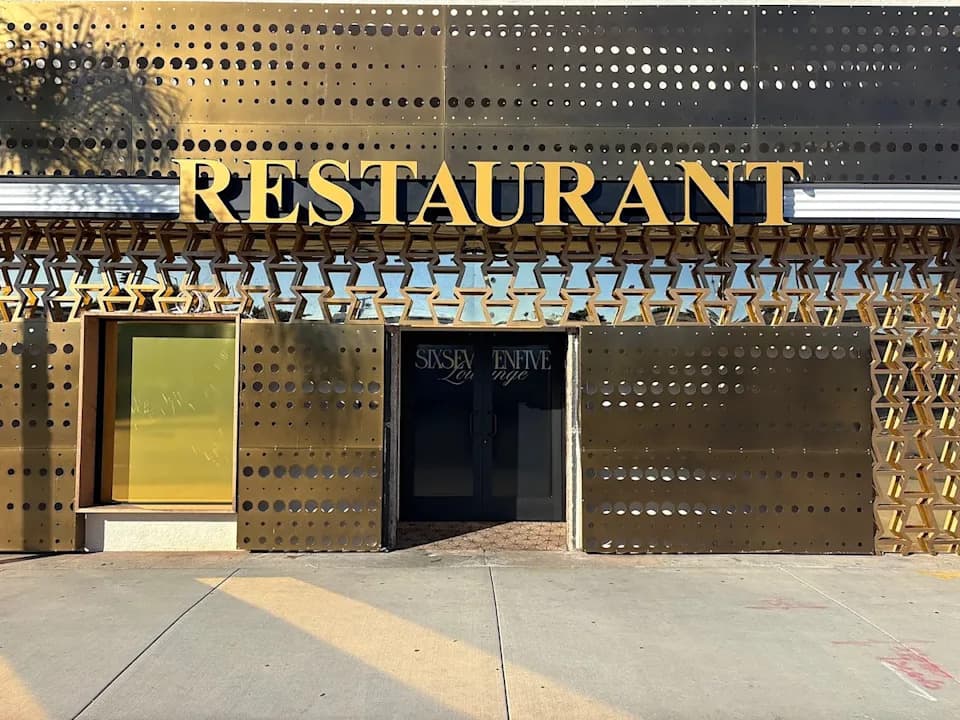
Reporting found that city- and county-funded programs in Los Angeles distribute drug paraphernalia — syringes, crack pipes and mixing containers — in Skid Row with minimal vetting. Critics say these practices enable ongoing drug use and prolong homelessness, while supporters argue they prevent disease and overdose. The LAPD handles about 40 homelessness-related calls per hour, and local governments spend roughly $3 billion a year on homelessness programs. The story spotlights a heated debate over public health, public safety and the effectiveness of current policy.
Taxpayer-Funded Drug Paraphernalia in Los Angeles: Enabling Addiction or Public Health Strategy?

Local officials have adopted language like "harm reduction" and "Skid Row Care Campus" to describe policies that, critics say, amount to providing people with tools to use drugs repeatedly. Reporting by The California Post and City Journal found that individuals in Skid Row can obtain taxpayer-funded syringes, crack pipes, and containers for mixing injectables with little or no vetting.

From the department of Orwellian language we get batches of words like "harm reduction" and "Skid Row Care Campus." Ringo Chiu
Supporters of harm-reduction programs argue these measures reduce overdoses and the spread of infectious disease. Critics counter that the same programs can perpetuate addiction, contribute to public-safety problems, and enable long-term street homelessness — all at public expense.

It's also the official policy of the governments of Los Angeles, LA County and California. Jon Putman for CA Post
What Reporters Found
Over multiple days, journalists were reportedly able to obtain a range of paraphernalia distributed through city- and county-funded programs. The distribution points did not require identification or demonstrate pathways to treatment, according to the reporting.
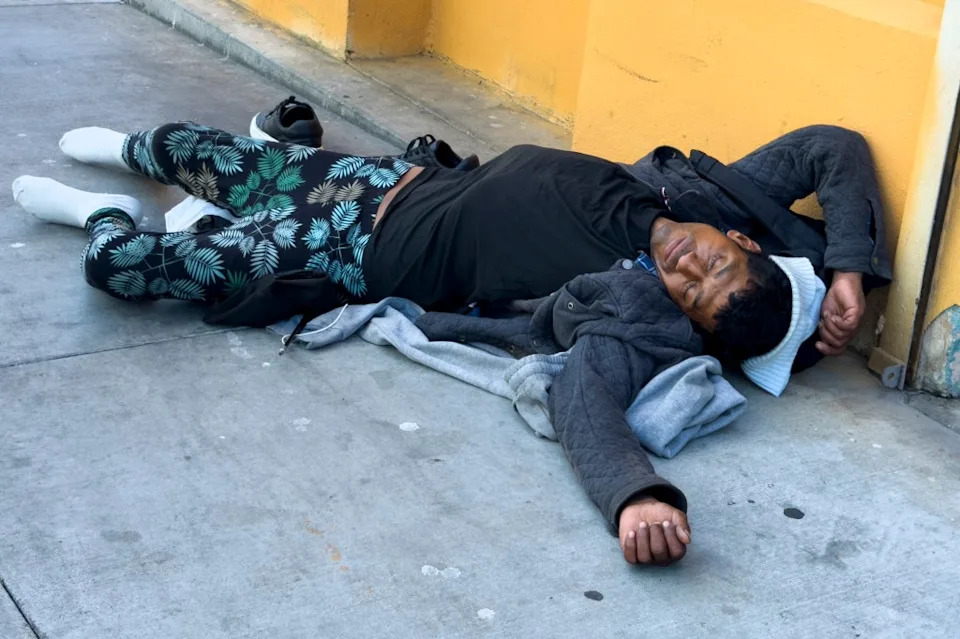
At taxpayer expense. Over and over and over again, as the city's homeless crisis grows. Ringo Chiu
Scale and Cost
The California Post reported that the LAPD responds to roughly 40 calls per hour related to homelessness while the department is short-staffed by thousands of officers, per the police chief. At the same time, Los Angeles city and county governments spend about $3 billion a year on homelessness programs, much of which critics say shows limited measurable success.

For some, though, the mess provides a jackpot. Ringo Chiu for CA Post
"When aid becomes an industry, incentives can entrench the very problems programs aim to solve," say some critics of the current approach.
Who Benefits — And Who Pays?
Nonprofit groups receive public funding to deliver street services, including distribution of harm-reduction supplies. Critics label this a "homeless industrial complex," arguing that government and nonprofit incentives can sometimes favor maintaining services over achieving exits from homelessness and addiction.
Proponents of harm reduction respond that sterile supplies, safe-use education and outreach link some people to services and prevent disease and overdose deaths. The debate centers on whether distribution without effective pathways to treatment and housing ultimately helps people or simply facilitates continued substance use.
What Critics Want
Some local critics urge Los Angeles, LA County and the State of California to reassess or curtail paraphernalia distribution policies. Others go further, calling for federal intervention to stop taxpayer funding for programs they view as enabling illegal drug use.
Whatever policy path is chosen, the debate highlights a stark reality: policymakers must balance immediate public-health protections with long-term strategies that connect people to housing, treatment and stable lives — while also responding to public-safety and fiscal pressures.
Key facts: Journalistic reporting documented easy access to taxpayer-funded paraphernalia in Skid Row; LAPD handles about 40 homelessness-related calls per hour; Los Angeles spends roughly $3 billion annually on homelessness efforts.
Help us improve.