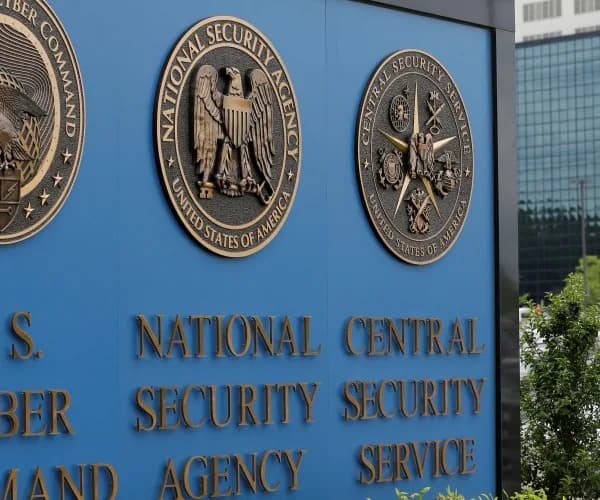
Japan has transformed its Cabinet Intelligence and Research Office into the National Intelligence Bureau, marking the country's first centralized intelligence body since World War II. The reform aims to close long-standing security gaps — including the lack of a foreign intelligence service and an anti-espionage law — and requires ministries to share intelligence under a council led by Prime Minister Sanae Takaichi. Supporters say the change is needed given rising regional threats and cases of foreign exploitation; critics warn it could threaten civil liberties unless robust oversight is established.
Japan Launches National Intelligence Bureau — A Postwar Shift That Raises Security and Civil Liberties Questions
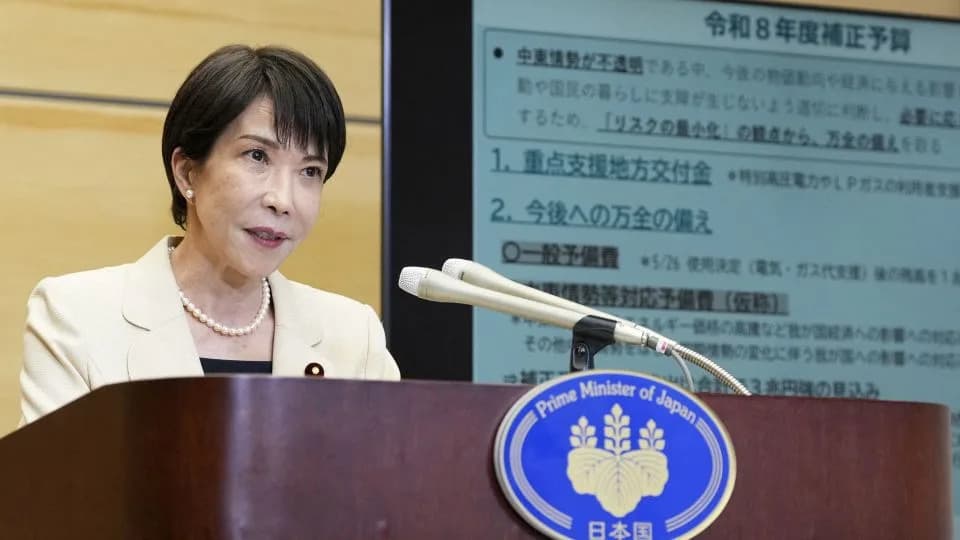
Japan's Prime Minister Sanae Takaichi during a news conference at her official residence in Tokyo on May 25, 2026. - Kyodo/via Reuters
Japan this week formalized a major change to its national security architecture by reconstituting the Cabinet Intelligence and Research Office (CIRO) as the National Intelligence Bureau (NIB), the country's first centralized intelligence body since World War II. The move is intended to close long-standing gaps in Tokyo's ability to collect, coordinate and protect sensitive information — but it has also reignited public debate about oversight, privacy and the legacy of wartime abuses.
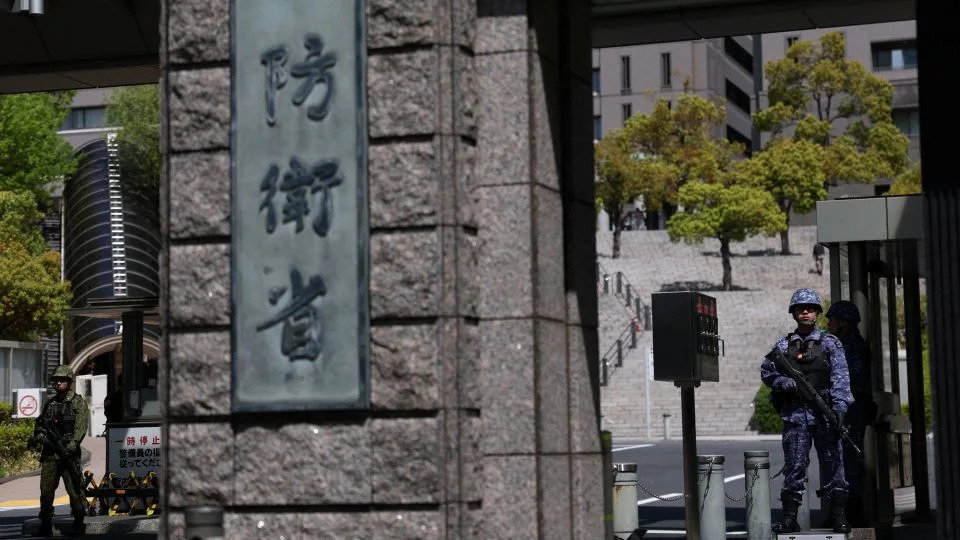
Japanese military personnel stand guard at the entrance of the Defense Ministry in Tokyo on April 6, 2026. - Issei Kato/Reuters
What Changed
Under the reform, CIRO’s limited mandate and authority will be upgraded into an operational and administrative National Intelligence Bureau responsible for collecting and analyzing intelligence from across government ministries and agencies. The government has created a National Intelligence Council, chaired by Prime Minister Sanae Takaichi and composed of senior ministers, to supervise the bureau and to ensure that other ministries formally share relevant intelligence.
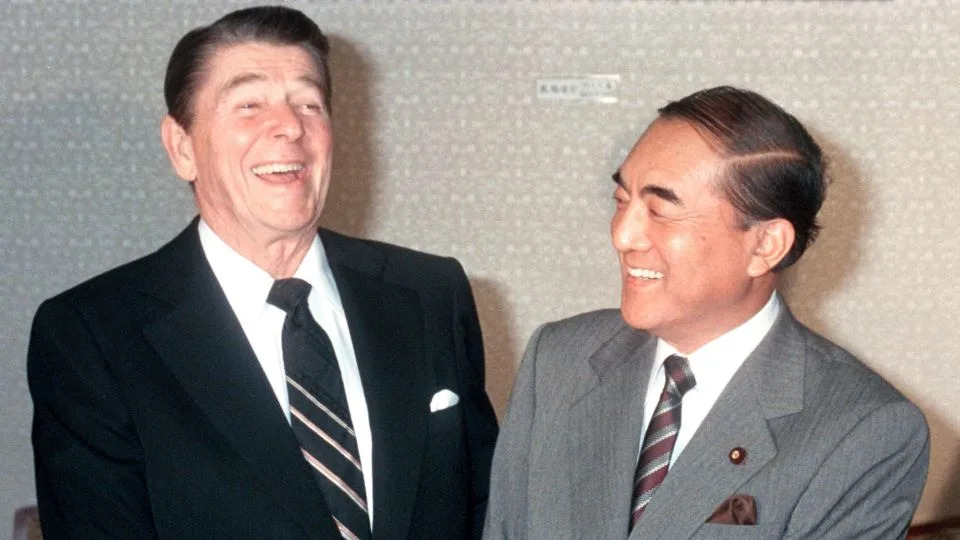
Former Japanese Prime Minister Yasuhiro Nakasone (right) shakes hands with US President Ronald Reagan during their meeting at the prime minister's office in Tokyo in November 1983. - Kyodo News/Getty Images
Why the Reform Now
Supporters say the reform responds to decades of structural weakness. For years Japan relied largely on the U.S. security umbrella and pursued a deliberately restrained intelligence posture after the Second World War. That legacy left Tokyo without a formal external foreign intelligence service and without a comprehensive anti-espionage law — gaps experts say have made the country unusually vulnerable to foreign collection activity.
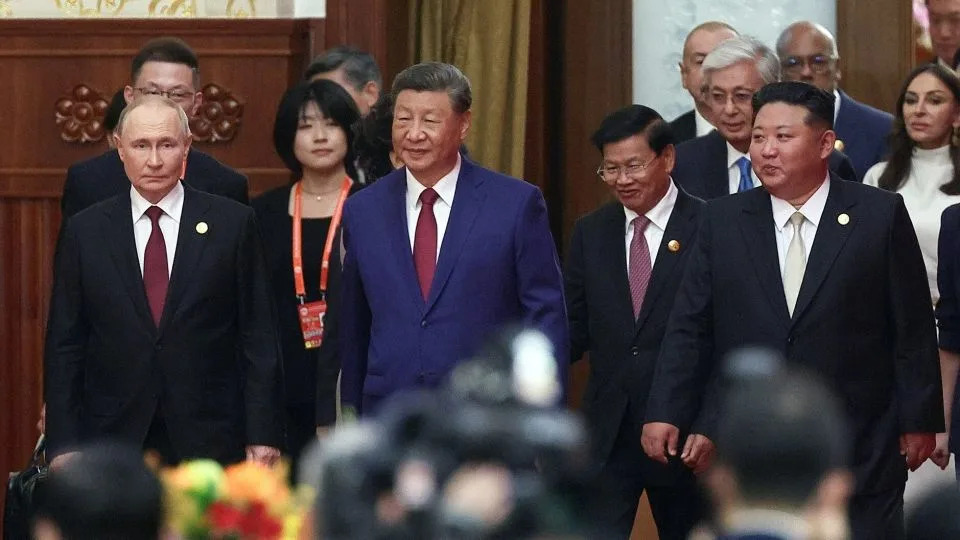
Chinese leader Xi Jinping (center), Russian President Vladimir Putin (left) and North Korean leader Kim Jong Un (right) at the Great Hall of the People in Beijing after attending a military parade on September 3, 2025. - Vladimir Smirnov/Anadolu/Getty Images
Analysts also point to concrete incidents and investigations that underscored the risks: a July report by The New York Times detailed how gaps in Japan's export controls and oversight allegedly enabled components to be diverted to Russia and ultimately used in missiles and drones in the Ukraine war. Proximity to technologically capable adversaries — China, Russia and North Korea — and the presence of roughly 55,000 U.S. troops on Japanese soil increase the stakes.
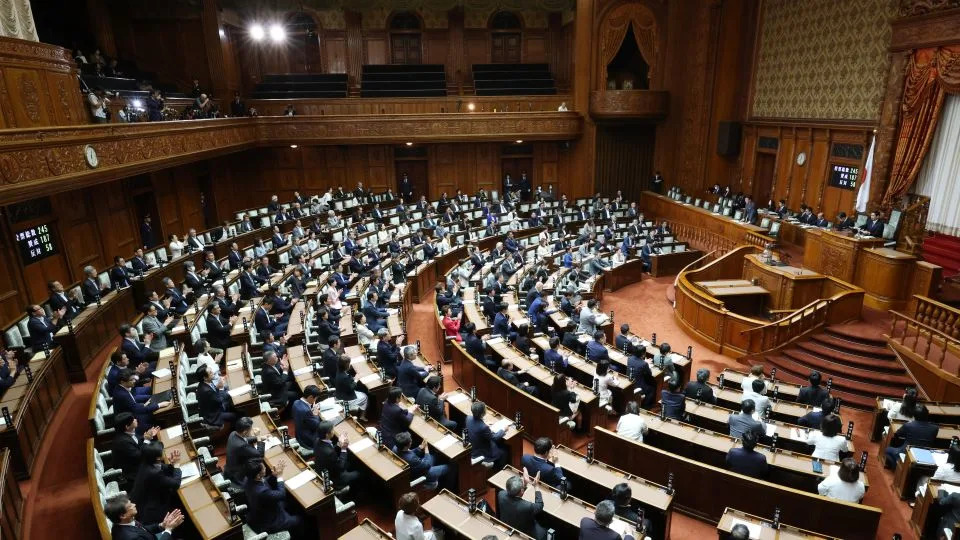
Japan's House of Councillors approves and enacts the bill to establish the National Intelligence Council at the National Diet in Tokyo on May 27. - The Asahi Shimbun/Getty Images
Political Momentum
Prime Minister Sanae Takaichi, a conservative who has pushed for stronger security measures since taking office, has championed the reforms. Her ruling coalition’s commanding lower-house majority following a snap election has made it politically easier to enact such structural changes and to pursue further steps that lawmakers and analysts expect will include an anti-espionage statute and potentially a dedicated foreign intelligence service.
Concerns Over Civil Liberties and Oversight
Not everyone supports the changes. Critics — including opposition lawmakers, civil liberties advocates and protesters — warn that expanding intelligence powers risks eroding privacy and could enable abuses without robust accountability mechanisms. Makoto Oniki of the Constitutional Democratic Party argued that an unchecked intelligence apparatus could "seriously and unjustly infringe upon the human rights of its citizens." More than 200 people protested the bill in May, according to public broadcaster NHK.
Experts note democracies can reconcile strong intelligence capabilities with safeguards: parliamentary committees, judicial review, public reporting, and statutory limits have been used in countries such as the United Kingdom and the United States to balance secrecy with accountability. Observers say Japan still needs to provide clearer details about oversight frameworks and independent checks for the NIB.
Historical Context
Japan's wartime intelligence and security organs once wielded vast domestic and foreign powers, and postwar occupation reforms intentionally rolled back those capabilities to prevent abuses. Past attempts at reform have faltered: in 1983 former prime minister Yasuhiro Nakasone warned Japan had become a "paradise for spies" but his proposed anti-espionage law met strong public resistance. Today’s political and strategic environment is different, but the historical memory of surveillance and repression helps explain lingering public wariness.
What Comes Next
With the NIB now established, Tokyo is likely to pursue additional legislation to criminalize espionage and to create a foreign collection capability. How those laws are written — and what oversight mechanisms accompany them — will determine whether the reforms strengthen Japan's security while protecting democratic norms, or whether they deepen fears about unchecked state power. Observers and allies will be watching closely as Japan balances urgent security needs with transparency and human rights safeguards.
"These measures are merely the first step in intelligence reform," Prime Minister Sanae Takaichi said, emphasizing the government sees the change as part of a broader overhaul to meet evolving threats.
Help us improve.