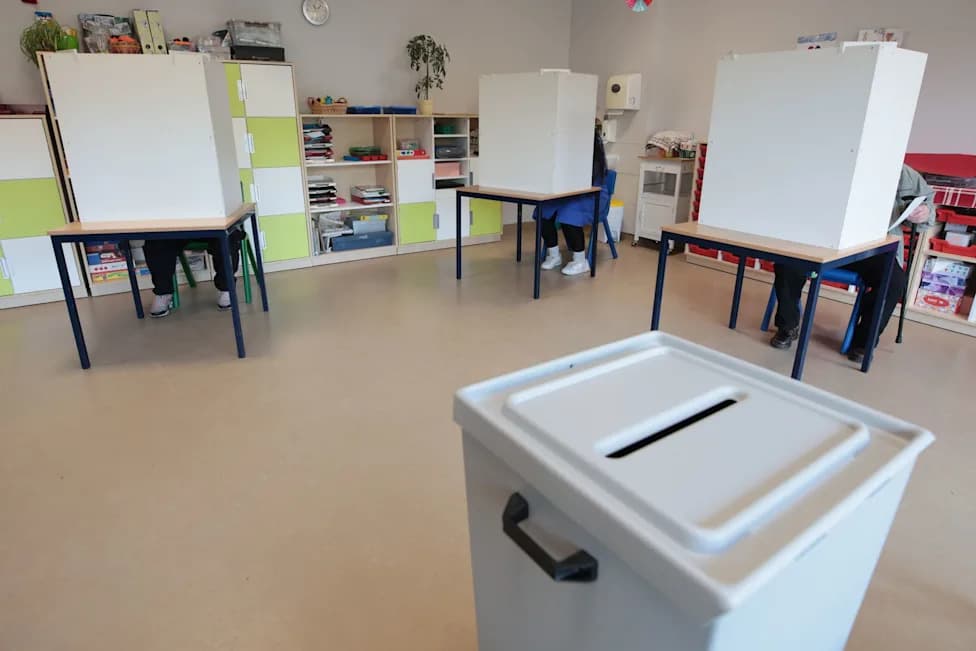
Berlin heads into a pivotal September 20 state election as the far-right AfD gains ground in working-class Marzahn (around 31% in last year’s vote) and tops some recent city polls at about 19%. A deadly extremist attack at a Pride event that killed one person and injured roughly 30 has heightened fears the AfD could exploit security and migration narratives. The far-left Linke is mobilising younger voters with housing reform and antifascist rhetoric, while parties prepare for a closely fought contest over Berlin’s identity.
Berlin’s Election Battleground: AfD Gains in Working-Class Marzahn as Left and Right Clash After Deadly Pride Attack
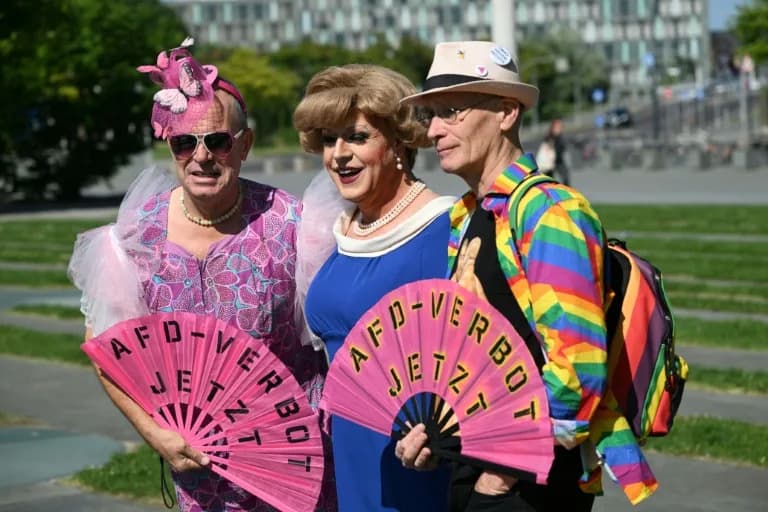
Participants of Berlin's recent Drag Queen March hold fans with the message 'Ban the AfD Now' (RALF HIRSCHBERGER)
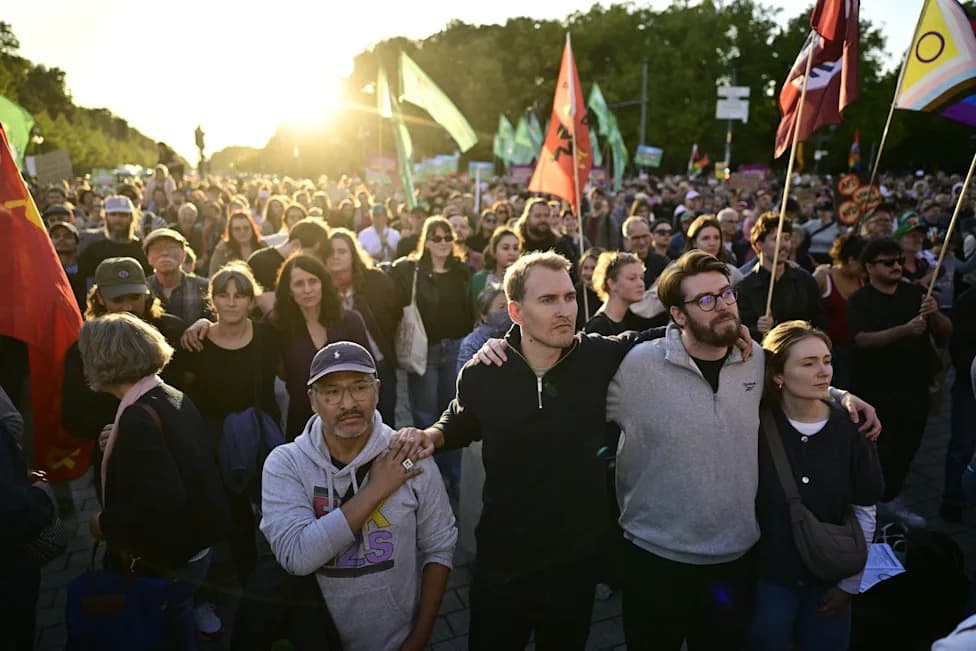
In eastern Marzahn, a district of sprawling communist-era housing blocks and a known stronghold for the far-right Alternative for Germany (AfD), a few hundred Pride marchers carrying rainbow flags gathered on a recent day in Berlin. The demonstration contrasted sharply with the capital's bohemian neighbourhoods of clubs and trendy cafés, areas that consistently back leftist and Green parties.
Politics on a Knife Edge
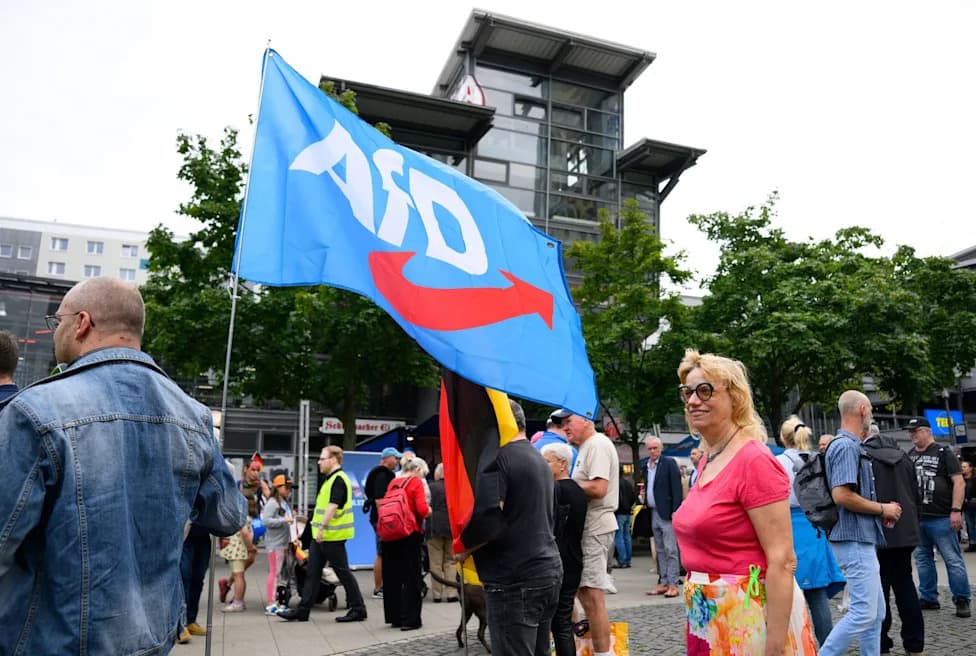
Marzahn’s working-class streets have become one of Berlin’s focal points for a rightward political shift. In last year’s national vote the AfD led the tally in Marzahn with about 31 percent; the area is home to many Russian speakers. A recent Insa poll put the AfD ahead citywide at roughly 19 percent, stoking concern among progressive voters ahead of the September 20 state election.
“If we demonstrate in an area where the AfD polls very strongly, we're sending a powerful signal,” said one marcher, Andreas, who attended the Marzahn rally with his husband Sumudu. Sumudu, who moved to Berlin from Sri Lanka, said he came because he wanted to live in a city that celebrates “democracy, human rights and openness.”
Attack Intensifies Political Tensions
Tensions intensified after a deadly extremist attack at Berlin’s main annual Pride event, in which a man allegedly pledged allegiance to the Islamic State group, drove a vehicle into a crowd and then attacked people with a bladed weapon. Police later shot him dead. A Polish woman was killed and around 30 people were injured. Political leaders and mourners worry the incident could reshape the campaign narrative.
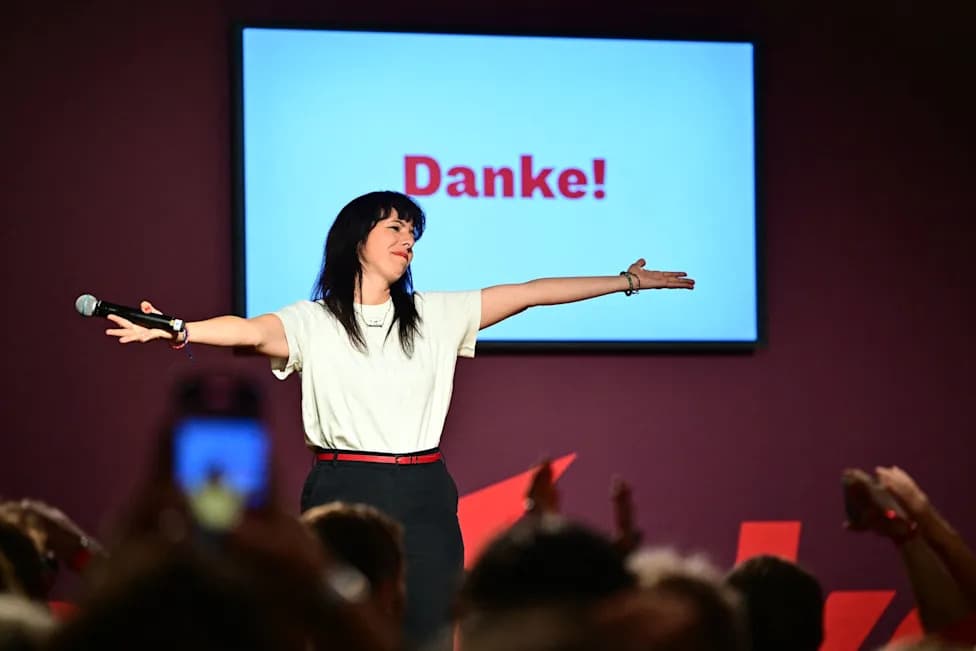
“I strongly fear this could benefit the AfD, because the AfD always exploits such events for racist narratives,” said Elif Eralp, the Linke’s lead candidate and a lawyer of Turkish heritage.
Mario Paul, 46, who attended a memorial for the victims, said the attack “will make the situation worse” and expressed alarm at growing rightward shifts among some voters.
Where Parties Stand
At the other end of the spectrum, the far-left Linke party — rooted in the former East German communist party — has attracted young voters with promises to tackle Berlin’s acute housing shortage and with strong antifascist rhetoric. The Linke’s calls for sweeping reforms have resonated in neighborhoods struggling with rising rents and displacement.
The centre-right Christian Democratic Union (CDU), which leads Berlin’s current coalition government, recently saw its mayor Kai Wegner step down as the party’s top candidate and be replaced by the lesser-known Stefan Evers. Nationally, the CDU is led by Friedrich Merz. Across Germany, major parties have maintained a practical "firewall" against cooperating with the AfD, keeping it out of government to date.
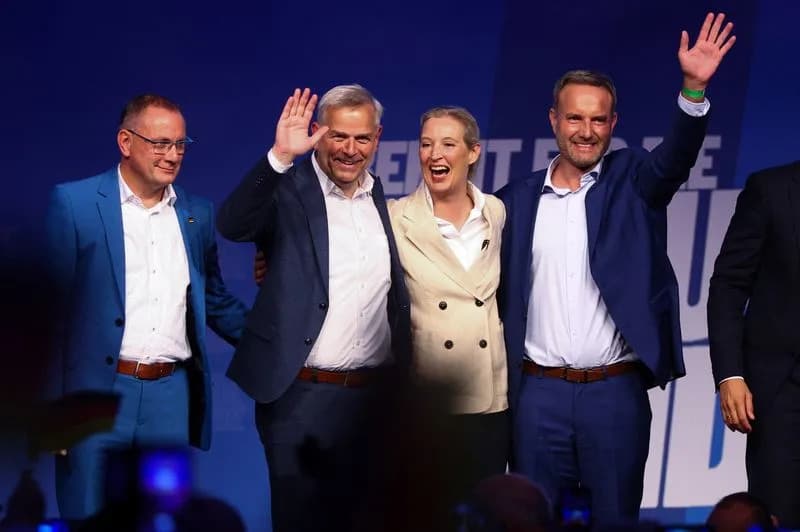
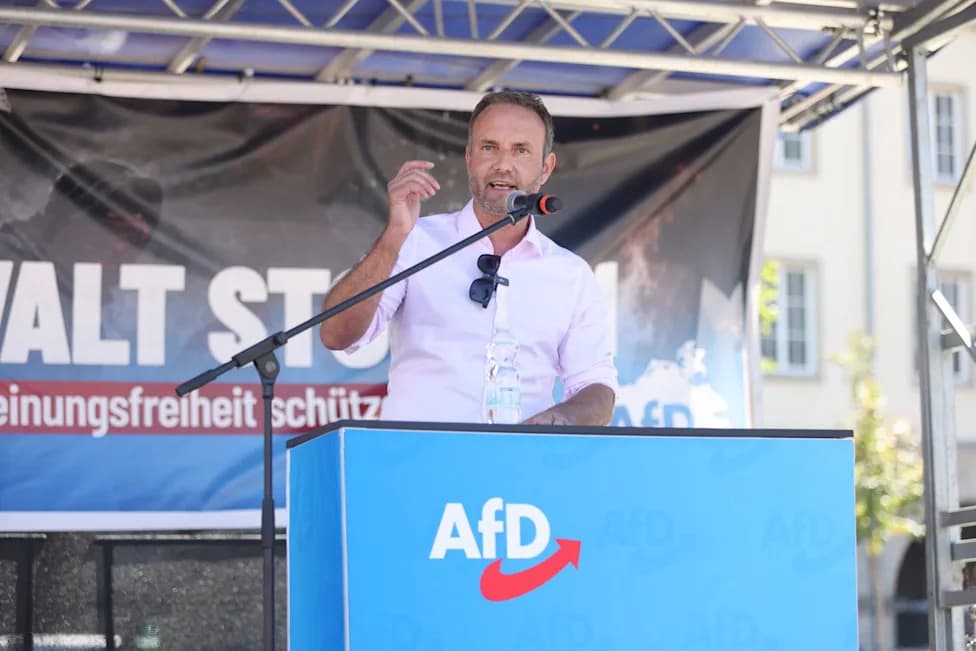
The AfD is campaigning on concerns about housing and immigration, blaming some of the city’s problems on foreigners. Its lead Berlin candidate, Kristin Brinker, told AFP she wants to prioritise social housing for "locals," whom she describes as long-term residents with jobs — a proposal critics call discriminatory.
Historic Stakes
Many Berliners view the upcoming vote as a contest over the city’s identity — its “heart and soul.” The stakes are underscored by Berlin’s turbulent history: the hedonism of the 1920s, the horrors that followed with the Nazi era and World War II, the city’s Cold War division and its rebirth as a countercultural hub after reunification. Recent decades have brought rising housing costs and waves of migrants from Syria, Iraq and Ukraine, alongside longstanding communities such as Berlin’s Turkish population.
With a crowded field of parties vying to govern, the September 20 election will test whether Berlin shifts further right, coalesces around leftist alternatives, or returns to centrist coalitions. For many residents, the outcome will determine not just policy on housing and migration but the character of the city itself.
Help us improve.