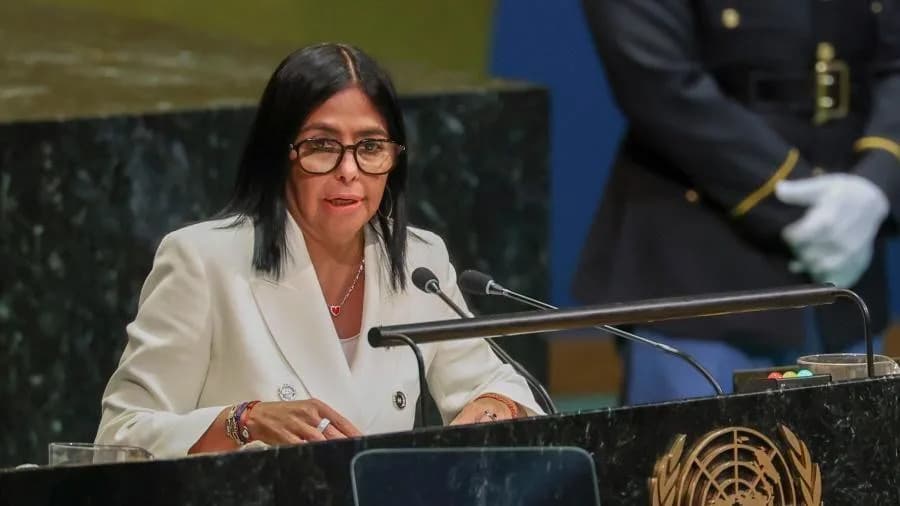
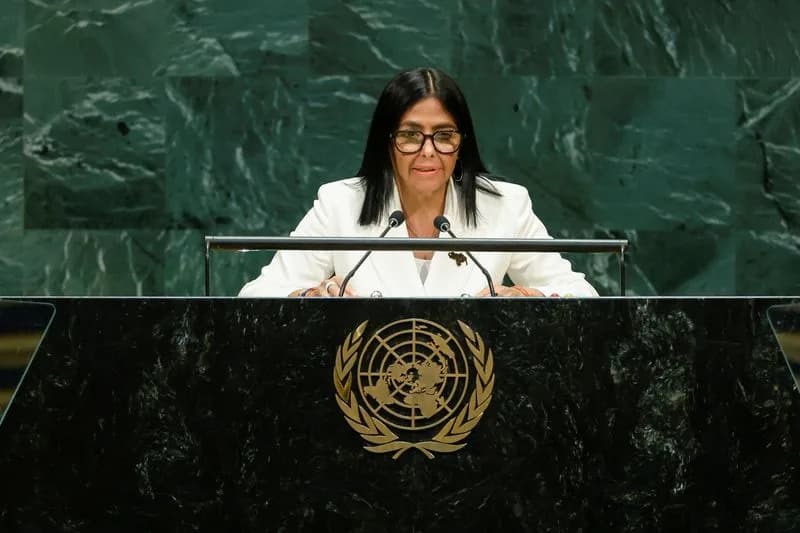
US-backed transition talks in Caracas are due to start Saturday, but the absence of exiled opposition leader Maria Corina Machado — who was not invited and has said she will not attend — has raised doubts among her supporters. Both Machado’s base and Chavista groups distrust the process: the former because of exclusions, the latter because they view the talks as driven by Washington. Organizers say the talks will address rebuilding institutions, strengthening the electorate and ensuring political participation amid broader instability and recent deadly quakes.
US-Backed Venezuela Transition Talks Begin in Caracas — Machado Excluded, Critics Raise Concerns
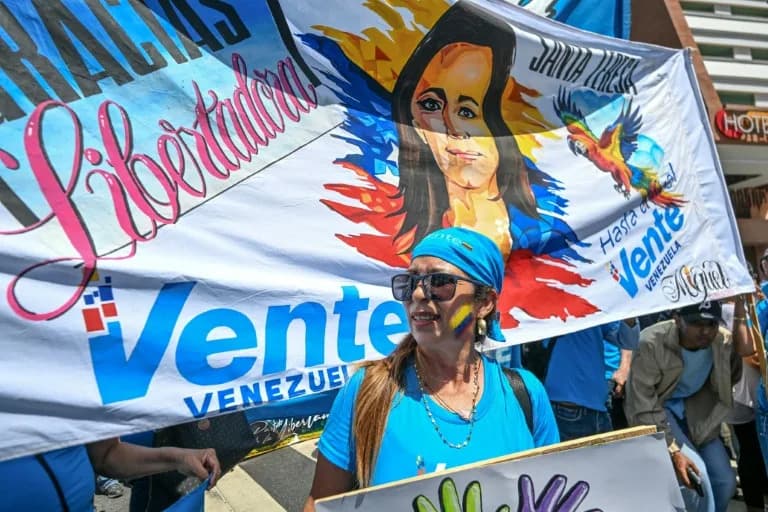
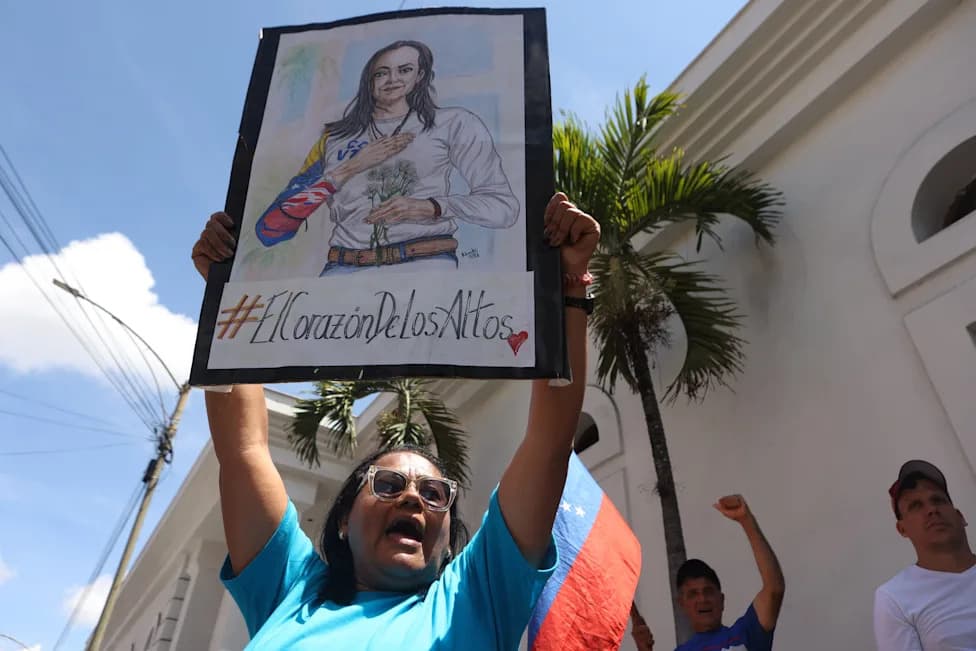
Venezuelans from different political camps have protested ahead of the start of the transition talks (Juan BARRETO)
Venezuela is preparing to open US-backed political transition talks in Caracas this Saturday, but the absence of exiled opposition leader Maria Corina Machado has left many of her supporters doubtful about the process.
What’s Happening
Both Machado’s supporters and pro-Chavista groups have staged protests ahead of the negotiations. The US State Department says the talks will focus on rebuilding democratic institutions, strengthening the electorate and guaranteeing political participation. Organizers have not released full details of the venue, agenda or seating arrangements.
Leaders And Representation
National Assembly chief Jorge Rodríguez — the brother of interim leader Delcy Rodríguez — will co-chair the talks alongside opposition figure Dinorah Figuera. Figuera leads an opposition bloc that claims the parliamentary majority won in 2015, a result long contested by the ruling camp.
Exclusion And Distrust
Machado, an exiled opposition leader who has been a vocal critic of the current government, was not invited and has publicly said she will not attend. Her supporters in Caracas argue that excluding her undermines the talks’ legitimacy.
“They cannot exclude Maria Corina Machado, because she is a fundamental leader for all of us,” said former political prisoner and ex-lawmaker Williams Dávila, 74.
Allegations And Context
The political environment is tense. Opposition figures call the recent political changes and some past elections disputed, while the government and its supporters say any US-driven process lacks legitimacy. Locals also continue to contend with the humanitarian impact of recent earthquakes, which authorities say killed thousands, compounding public anxiety and urgency for stability.
Voices From The Street
Chavista demonstrators and Socialist lawmakers have criticized the talks as a process approved only by Washington, arguing that any agreement should be submitted to the Venezuelan people. Public servants and retirees interviewed at pro-government rallies expressed deep unease about alleged foreign interventions and skepticism about negotiating with an opposition they see as compromised.
With strong emotions on both sides and basic logistical details still undisclosed, the talks begin under a cloud of mistrust. Observers say the negotiations' success will depend on whether participants are seen as sufficiently representative and whether any agreements can be implemented transparently and inclusively.
Help us improve.