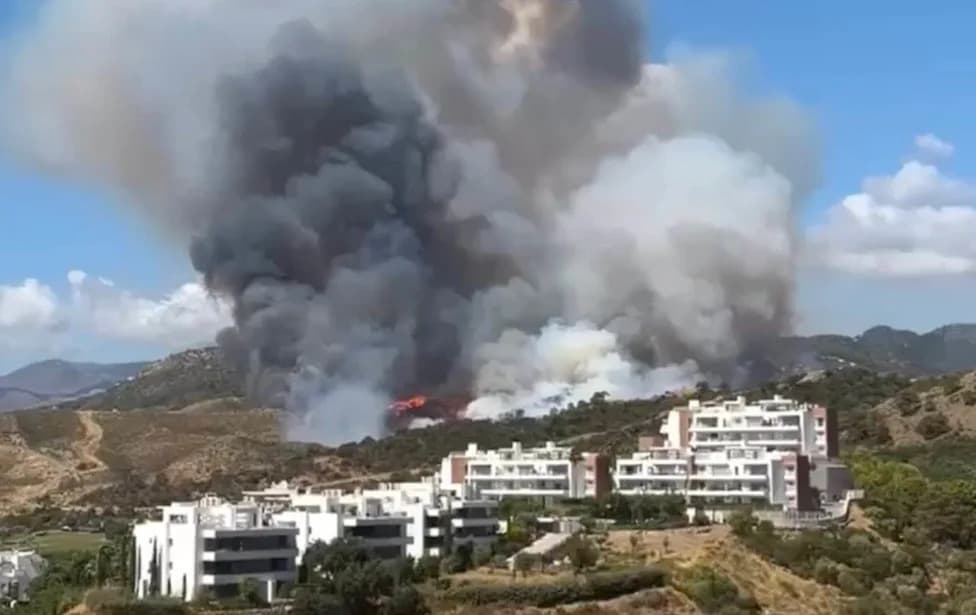
Safari Madrid reopened after a six-day closure as firefighters battled a wildfire that charred about 77,000 hectares in the Madrid region and the neighbouring province of Avila. Most of the park's roughly 2,000 animals remained calm, with only giraffes showing noticeable stress, according to veterinarian Christian Cabrera. Most keepers were evacuated, leaving four on site to care for animals that could not be moved; moving an elephant requires months of preparation and up to about 10 hours to prepare for anaesthesia. Firebreaks and firefighting efforts helped protect the park and nearby homes, and visitors returned to see the charred hills and recovering enclosures.
Bison Grazed Calmly as Wildfire Closed In on Safari Madrid — Park Reopens After Six Days
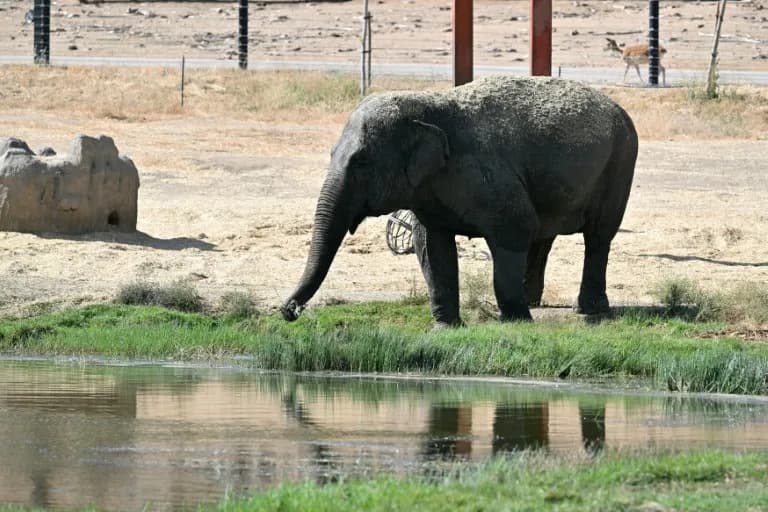
An Asian elephant drinks from a pond at the Safari Madrid wildlife park in Aldea del Fresno, west of Madrid (JAVIER SORIANO)
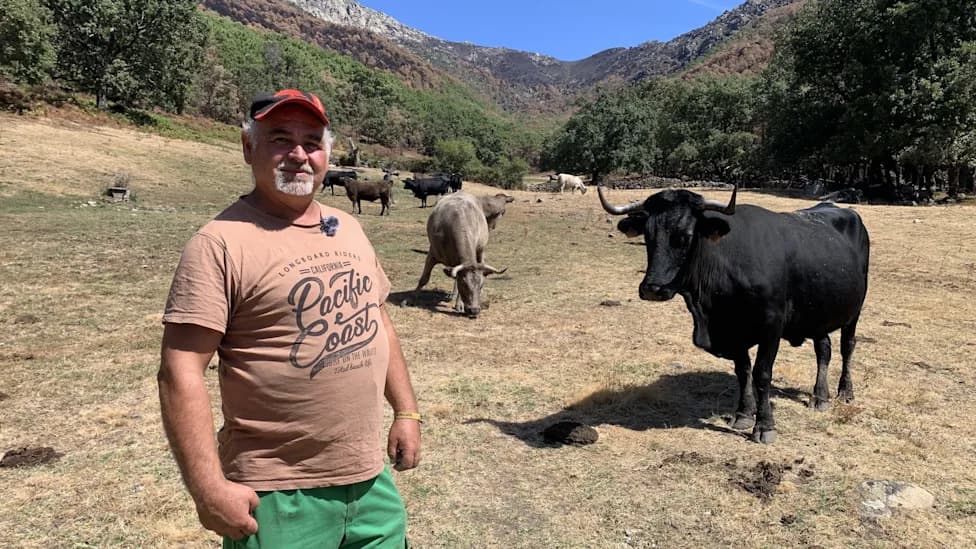
The bison at Safari Madrid continued to graze as flames crept closer, seemingly unfazed while wildfires ravaged the hills around the wildlife park west of the Spanish capital.
Animals Remained Remarkably Calm
"The animals that were outside kept very calm," said Christian Cabrera, 36, a park veterinarian. Of the park's roughly 2,000 animals, he added, only the giraffes showed noticeable stress: "They are easily frightened and have had difficulty eating." At the fire's peak—when about 77,000 hectares were scorched across the Madrid region and the neighbouring province of Avila—"at night, the sky was red," Cabrera recalled.
Keepers Faced Terrifying Hours
As flames advanced, most of the park's 26 keepers were evacuated, leaving just four staff members on site to protect the animals. Cabrera, who slept little for five days, described the ordeal: "We were really frightened. We have become attached to some of these animals over many years. We are hugely responsible for them. We went through hours of real terror when we saw the fire getting close and we did not know if we would be able to stop it."
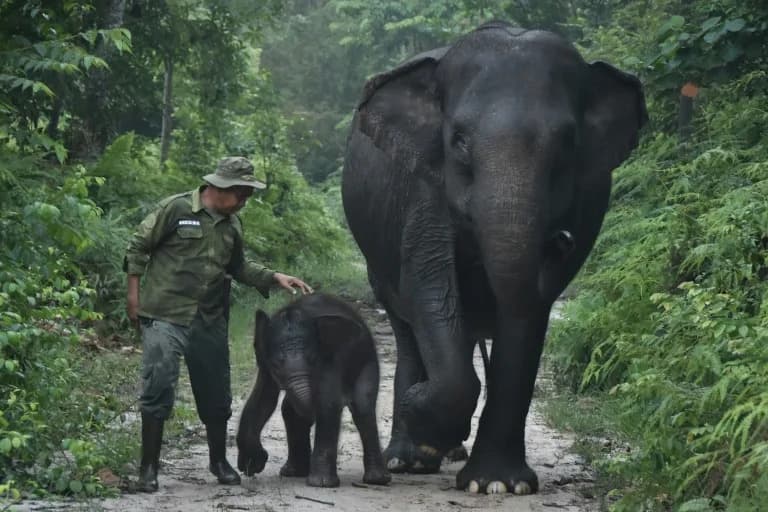
"Moving an elephant requires months of preparation," Cabrera said, noting that readying an animal for anaesthesia can take about 10 hours.
Practical Constraints and Safety Measures
Because transporting very large animals is complex and time-consuming, the biggest species—including elephants, rhinoceroses and big cats—were kept inside shelters. Other animals such as deer, camels and monkeys stayed outdoors in large enclosures. "There is no grass there because they eat it, so the fire could not reach them," Cabrera explained, referring to areas already grazed down within some paddocks.
Reopening and Local Impact
The park reopened to visitors on Wednesday morning after six days of closure during firefighting operations. Cars drove slowly through the park as some animals approached vehicles hoping for food—ostriches and dromedaries hurried up to passing cars, lions rested in the shade and alligators basked in the sun. Keepers said the animals' calm behavior was a major relief: agitated wildlife would have complicated an already difficult situation.
From the monkey enclosure visitors could still see blackened earth and charred vegetation on nearby hills. Elena Alonso, a 21-year-old language student from Valladolid, said the scorched landscape was "really sad," but praised the firefighters: "We would not have bet a penny on being here today."
Because Safari Madrid lies close to residential areas, firefighters prioritized protecting the park both to save animals and to prevent the blaze from reaching nearby housing developments. Susana Barrul, 39, who lives beside the park at a campsite that suffered some damage, returned after several days away to find her plot spared thanks to firebreaks dug by crews. "Now, we are trying to get back to normal life," she said.
Outcome: The park sustained visible scorch marks in surrounding vegetation but reopened after coordinated efforts by park staff and firefighters helped protect both wildlife and neighbouring homes.
Help us improve.