The U.S. Court of Appeals for the Second Circuit revived parts of a nationwide lawsuit alleging that over-the-counter decongestants containing oral phenylephrine do not relieve nasal congestion. While the court held that the FDCA preempts many state-law claims where manufacturers followed FDA labels, it allowed claims to proceed against products labeled "maximum strength" and certain brand-name drugs approved via the NDA process. Plaintiffs' RICO claims were dismissed for lack of standing, and the case was sent back to a federal district court. The FDA has proposed removing oral phenylephrine from OTC oral cold medicines.
Appeals Court Revives 'Maximum Strength' Lawsuits Against Drugmakers, Retailers Over Ineffective Decongestant

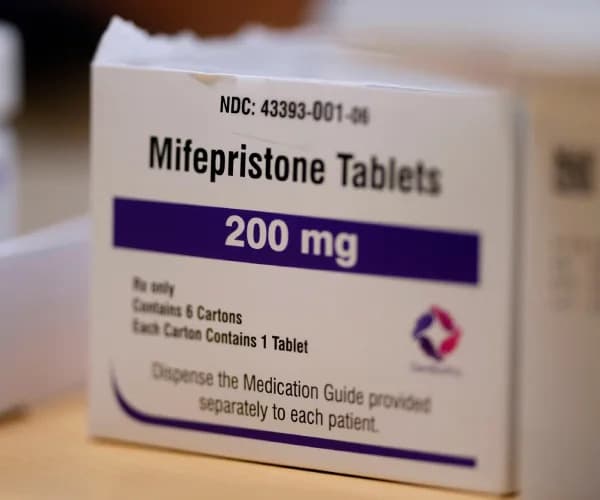
FILE PHOTO: Illustration photo shows various medicine pills in their original packaging, August 9, 2019. REUTERS/Yves Herman/Illustration/File photo
NEW YORK, July 30 (Reuters) - A federal appeals court on Thursday revived portions of a nationwide consumer lawsuit accusing major drugmakers and retailers of selling billions of dollars' worth of over-the-counter decongestants that plaintiffs say do not relieve nasal congestion.
What the Court Decided
A three-judge panel of the U.S. Court of Appeals for the Second Circuit in Manhattan ruled that the Federal Food, Drug, and Cosmetic Act (FDCA) preempted most state-law claims because the defendants had followed FDA labeling requirements. However, the court allowed several claims to proceed:
- Claims tied to products labeled "maximum strength", since some manufacturers and retailers added that descriptor voluntarily rather than under FDA mandate.
- Claims involving brand-name drugs approved through the federal New Drug Application (NDA) process, because those manufacturers could have sought label changes to reflect updated scientific findings.
"The limitations on consumer plaintiffs' state law remedies may appear unfair, particularly when the FDA's own agency review has confirmed that oral PE does not work as a decongestant and when studies have impugned oral PE's efficacy for 20 years," Circuit Judge Denny Chin wrote. "The fix, however, must flow not from litigation but from the FDA."
Claims Dismissed And Case Remanded
The panel dismissed consumers' civil racketeering (RICO) claim for lack of standing. It returned the remaining litigation to U.S. District Judge Brian Cogan in Brooklyn, who had previously dismissed the consolidated lawsuits in October 2024.
Background And Next Steps
The consolidated litigation grew to include roughly 100 lawsuits after an FDA advisory panel in September 2023 concluded that oral phenylephrine—an active ingredient in popular medicines such as Vicks NyQuil Severe Cold & Flu and Advil Sinus Congestion & Pain—performed no better than a placebo. In November 2024, the FDA proposed removing oral phenylephrine from over-the-counter oral cold medicines.
Jonathan Selbin, a lawyer for the consumer plaintiffs, said they were "obviously disappointed" with parts of the ruling and were reviewing their next steps. "For over a decade these manufacturers made billions of dollars selling products with a decongestant that they long knew — in many cases based on their own studies — was entirely ineffective at decongesting," he said. "This case is far from over."
Who Is Named
Named defendants include Procter & Gamble (maker of Vicks NyQuil Severe Cold & Flu), Haleon (maker of Advil Sinus Congestion & Pain), Bayer, GSK, Kenvue, and major retailers such as Costco, Target, Walgreens, Walmart and CVS. Lawyers for those companies did not immediately respond to requests for comment.
(Reporting by Jonathan Stempel in New York; editing by Deepa Babington)
Help us improve.