After five years of civil war, thousands of Myanmar opponents now shelter in Mae Sot, Thailand, where safe houses conceal harrowing stories of torture, displacement and hard choices. Some former fighters have rejected armed struggle after imprisonment and trauma and now focus on teaching or family care; others remain determined to continue fighting. The junta, led by General Min Aung Hlaing, has consolidated power with diplomatic backing while the fragmented resistance struggles for supplies. Refugees face dire conditions and limited access to services, including an unaffordable 38,000 baht hospital deposit for a child's operation.
Mae Sot’s Exodus: Myanmar Refugees Question Whether the Revolution Can Still Win
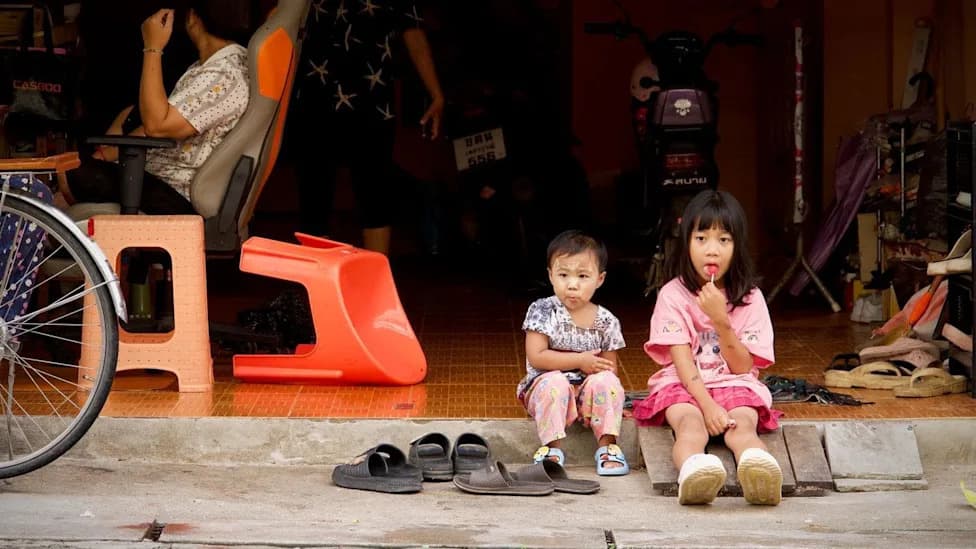
Mae Sot has become home to so many who left Myanmar to oppose the junta - and their future is increasingly uncertain [BBC/ Lulu Luo]
“One day we will get our freedom back,” a 22-year-old former urban guerrilla told the BBC. After five years of civil war, imprisonment and personal loss, he says he is too exhausted to continue fighting and has chosen a non‑violent path while sheltering with thousands of other refugees in Mae Sot, a Thai border town.
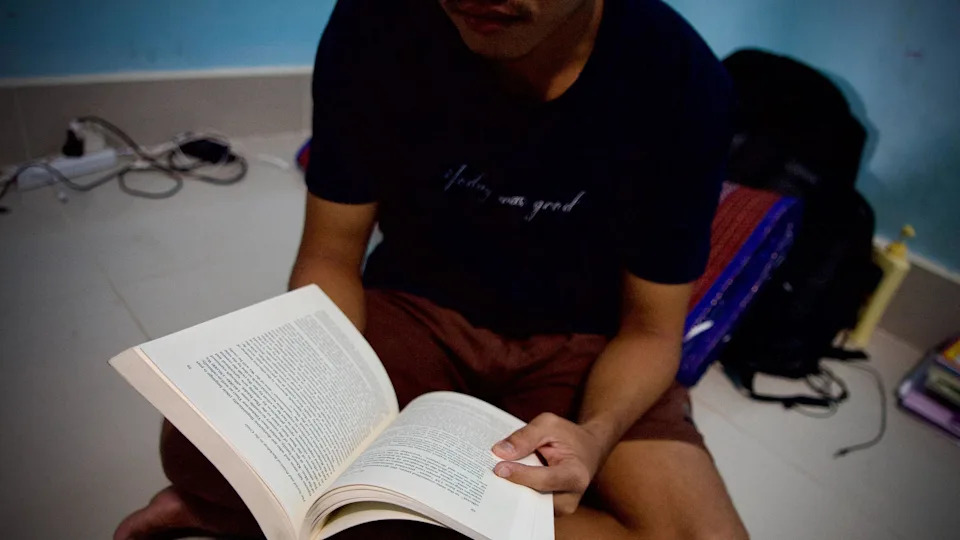
Exhausted by war, the 22-year-old says he wants to choose a "non-violent" way to help [BBC/ Lulu Luo]
From Streets to Safe Houses
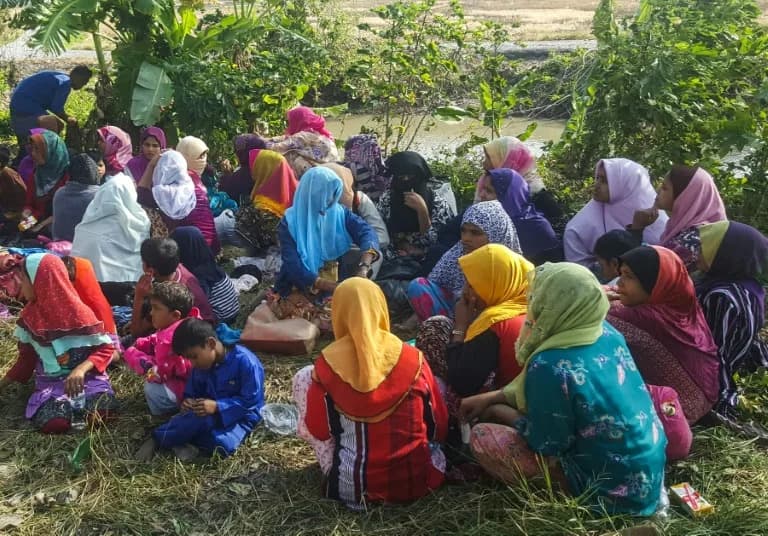
Mae Sot has become a primary refuge for people fleeing Myanmar since the 2021 coup. Many cross the narrow Moei River undocumented and live in charity-run safe houses—clusters of tiny rooms hidden down side streets that provide temporary shelter for up to six months. Residents include former people's defence force members, defectors, National League for Democracy (NLD) officials, and young men avoiding forced conscription.
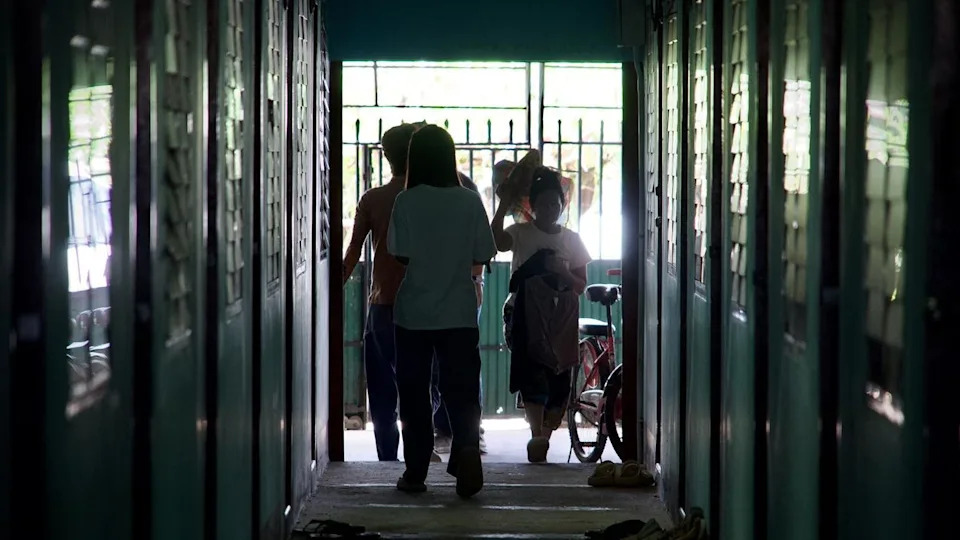
The tiny, bare rooms in Mae Sot's safe houses are a temporary refuge for those fleeing Myanmar [BBC/ Lulu Luo]
Personal Costs of a Fragmented Resistance
The 22-year-old joined nationwide protests at 17, later trained with ethnic insurgents and returned to Yangon as part of an urban guerrilla unit. Arrested and sentenced to seven years in Insein prison, he says he endured torture and sexual assault. Prison changed his view of armed struggle: he became disillusioned by infighting among resistance groups, the mounting civilian toll, and the responsibility he feels toward his family. He now teaches children in his Mae Sot safe house and supports jailed friends.
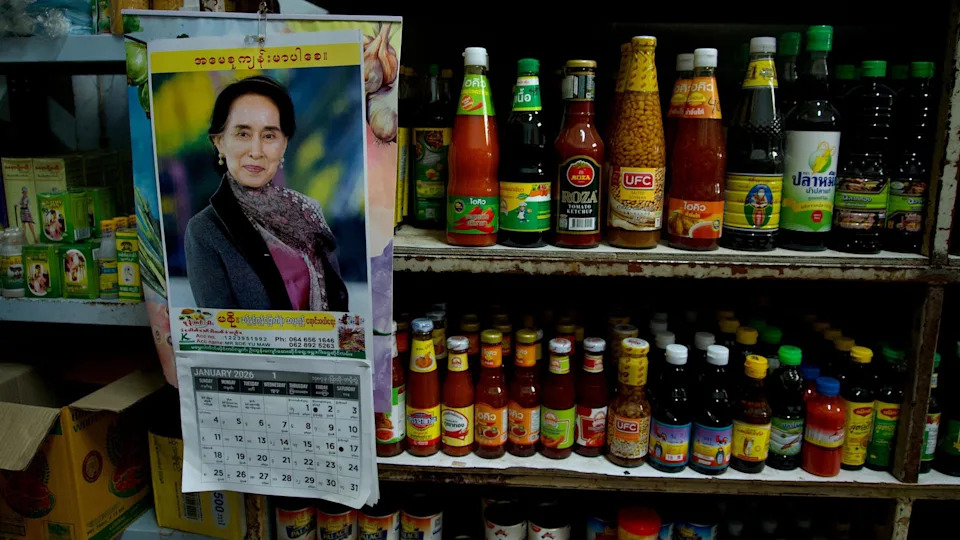
A calendar with the image of deposed leader Aung San Suu Kyi at a local shop [BBC/ Lulu Luo]
“I try to give them hope that the revolution is not finished yet, and that we still have a chance to win.”
Stories from the Margin
Yin Yin Aung, 20, fled Sagaing after her village was overrun and lived for months in the forest with her family. She gave birth during displacement and now faces a desperate medical bill: a private Mae Sot hospital has demanded a deposit of 38,000 baht (about $1,140) for her son's hernia operation—an amount she cannot afford because she and her husband lack legal status in Thailand and access to public healthcare.
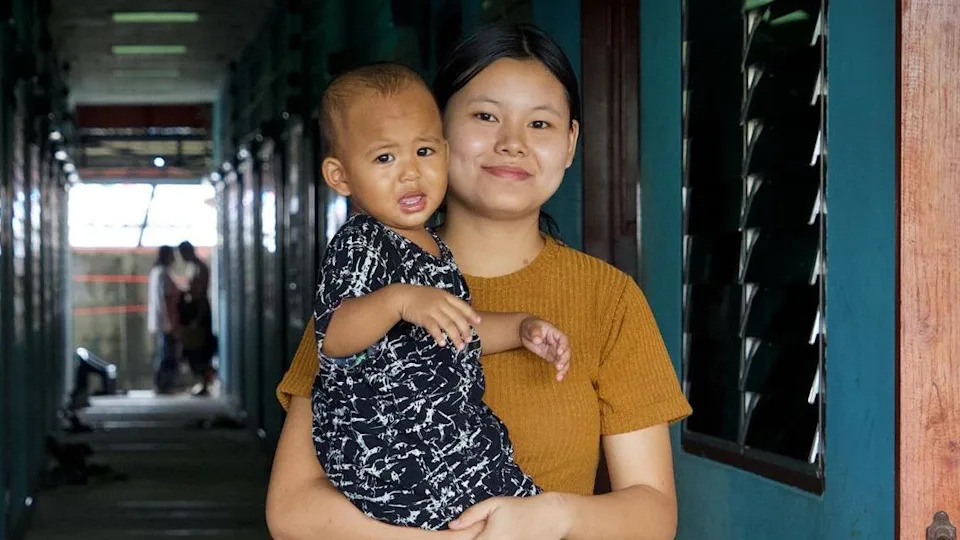
Yin Yin Aung, with her toddler son, who needs surgery [BBC/ Lulu Luo]
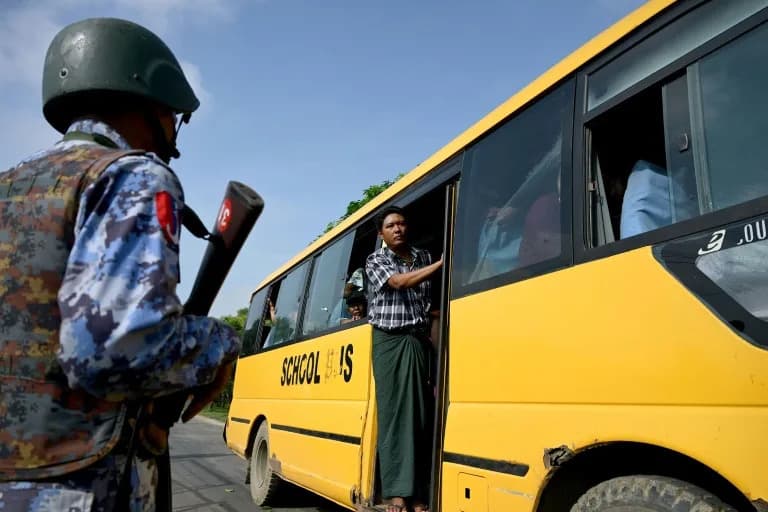
Elsewhere, members of the Cobra Column and units fighting alongside the Karen National Union remain determined to continue fighting. But many people's defence forces have struggled after Chinese pressure disrupted supplies and the junta benefited from military training and equipment from Russia and China.
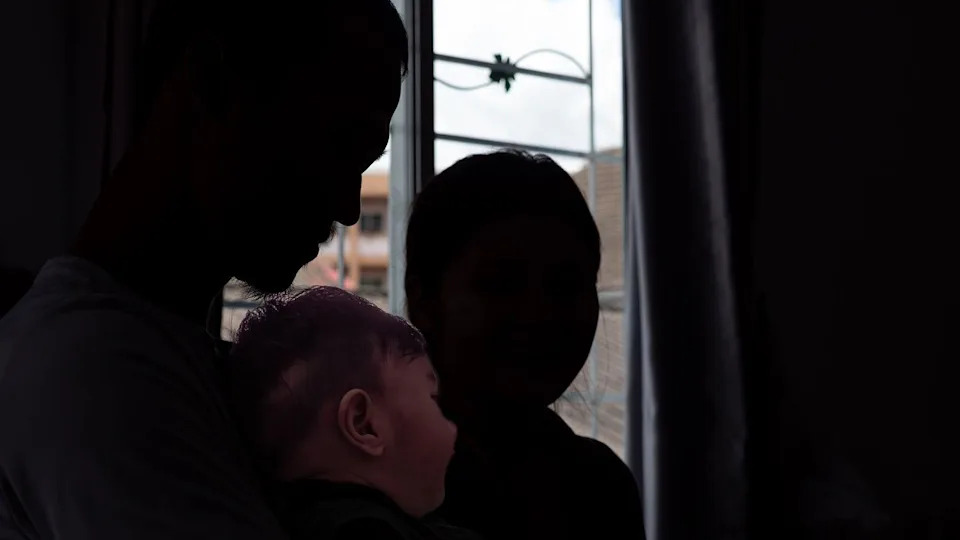
This former resistance fighter believes the junta's victories are short-lived [BBC/ Jonathan Head]
Regional Politics and the Human Toll
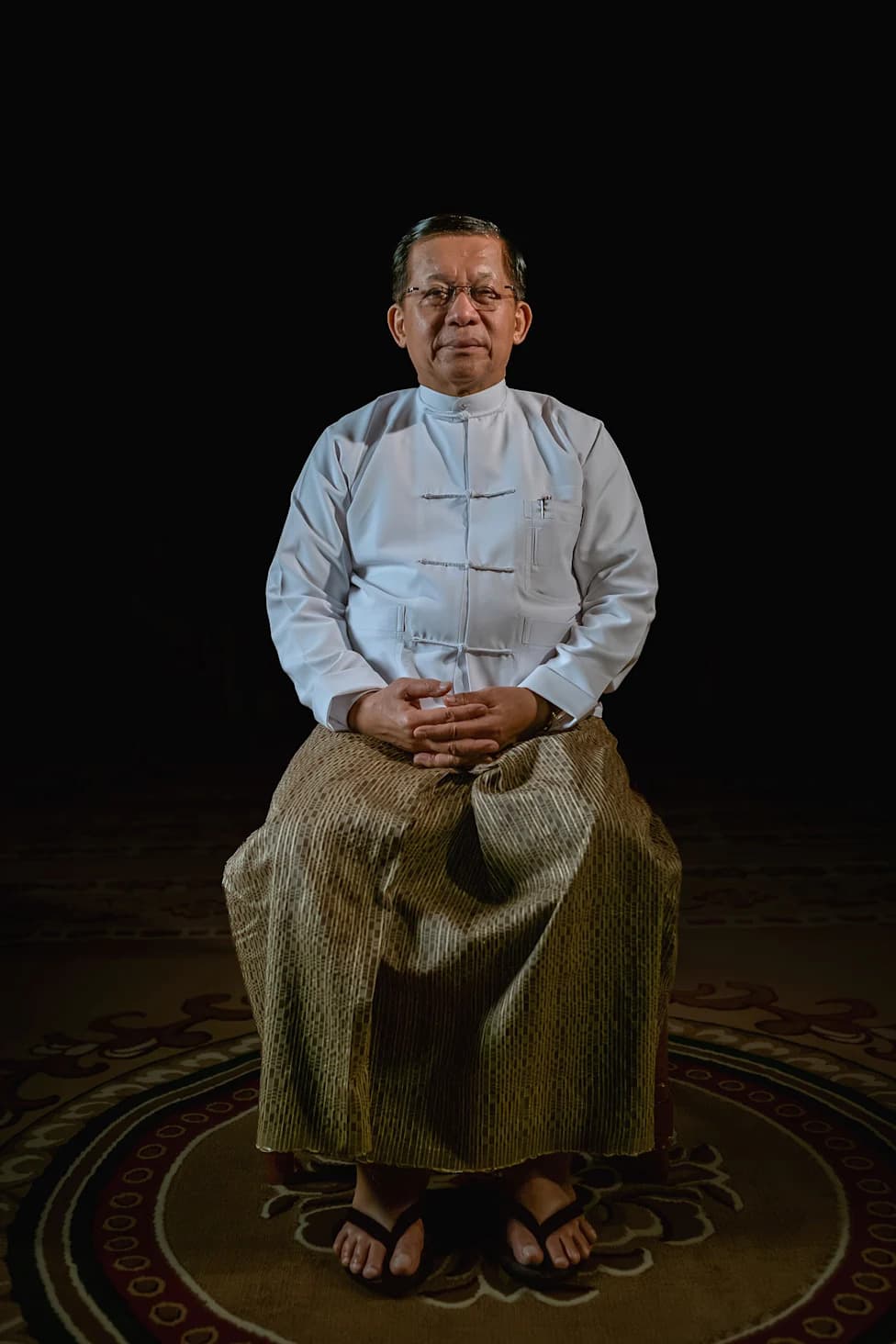
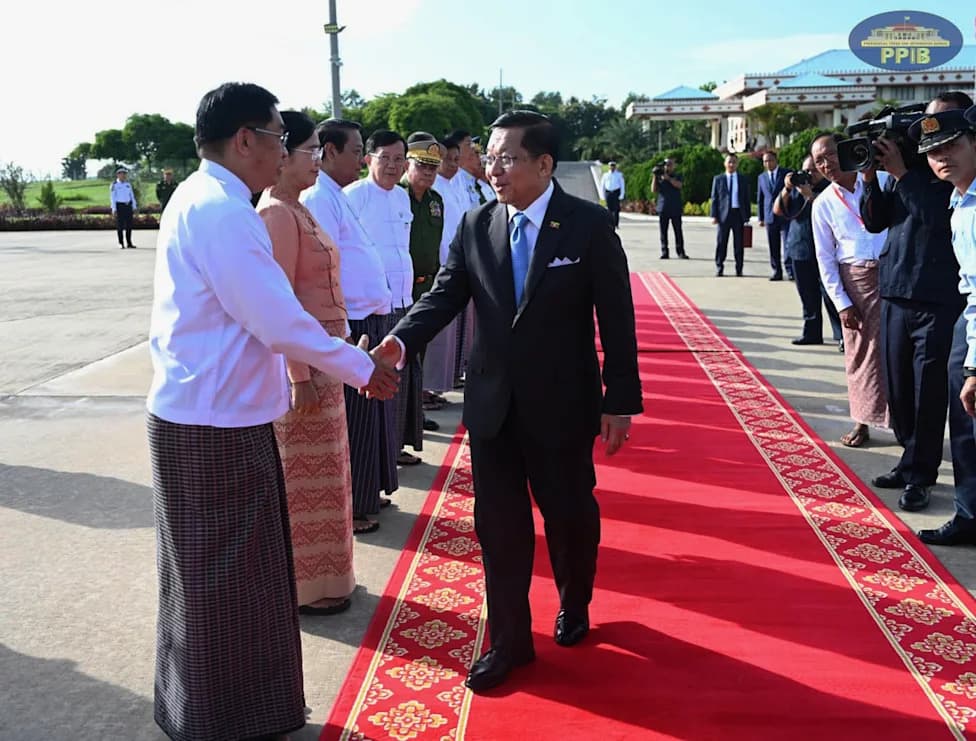
General Min Aung Hlaing has consolidated power: a highly publicised visit to Beijing and a tightly controlled election have helped him portray a veneer of legitimacy despite wide rejection by many Burmese. The UN Human Rights Commissioner reported at least 702 civilian deaths between the election announcement last August and the end of January, most victims women and children killed in air strikes.
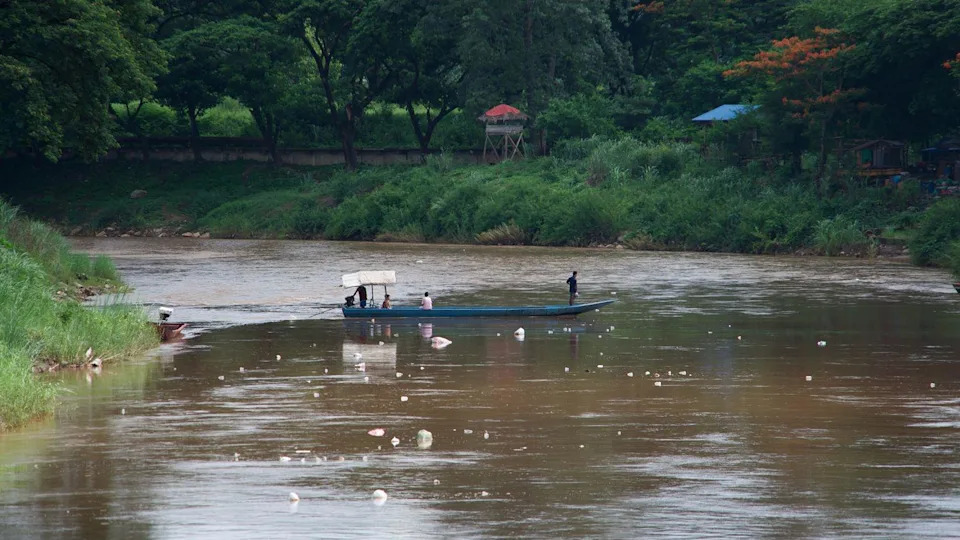
Many of those from Myanmar reach Mae Sot by illegally crossing the narrow Moei river on the border [BBC/ Lulu Luo]
What Comes Next?
Refugees in Mae Sot live in limbo—undocumented, fearful of deportation, and anxious about families back home. Some former fighters have renounced armed struggle to focus on education, healthcare and community support; others remain committed to returning to the frontlines. As diplomatic engagement and neighboring states’ interests shape the conflict’s trajectory, ordinary people face mounting humanitarian needs and an uncertain future.
Reporting note: The accounts in this piece draw on interviews conducted in Mae Sot and reporting by the BBC.
Help us improve.