Zawtar al‑Gharbieh, the first U.S.‑backed pilot zone in southern Lebanon, returned to residents after the Lebanese Army entered on July 21 to find massive destruction. About 250 housing units — roughly 80% of the village's homes — and critical infrastructure, including the village well and power networks, were destroyed. Funding shortfalls, continued Israeli presence in some areas and upcoming Aug. 4–5 negotiations on verification will determine how quickly reconstruction and broader stabilization can proceed.
Zawtar al‑Gharbieh: First U.S.‑Backed Pilot Zone Returns as a Village in Ruins
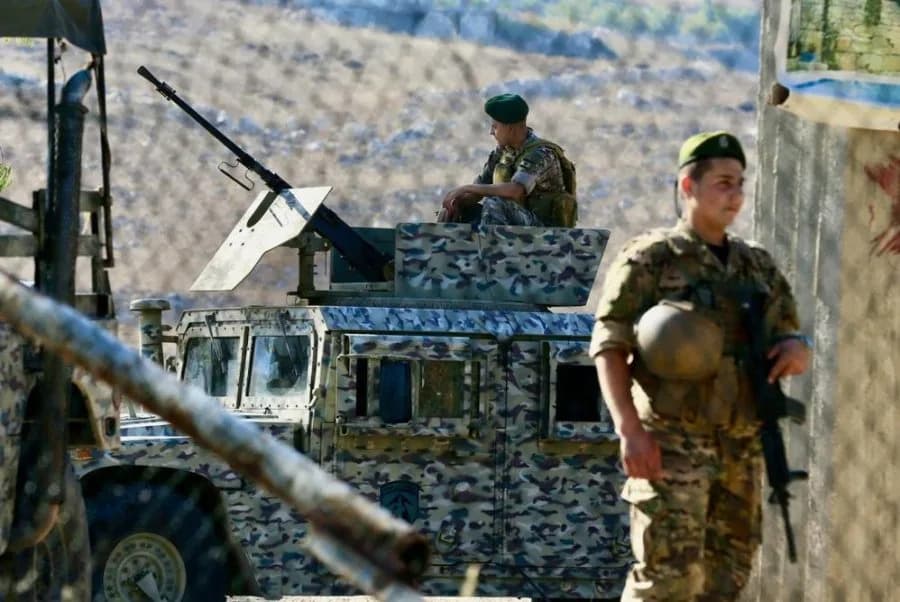
Lebanese soldiers stand guard as the Army deploys to Zawtar al-Gharbiya in southern Lebanon on July 23. Lebanon sent troops to take control of so-called pilot zones in southern Lebanon from which Israeli troops are to withdraw. Photo by EPA
Zawtar al‑Gharbieh, designated as the first U.S.‑backed "pilot zone" in southern Lebanon, has been returned to its displaced residents amid widespread destruction attributed to recent Israeli operations. The scale of damage — to homes, infrastructure and public facilities — underscores the daunting reconstruction task ahead and raises questions about the viability of the pilot‑zone plan embedded in the U.S.‑brokered framework agreement.
Army Reenters, Residents Return
The Lebanese Army moved into Zawtar al‑Gharbieh on July 21, clearing the way for displaced residents to begin returning. People waited at the village entrance for five days before being permitted to enter for inspections after security sweeps removed missiles and unexploded ordnance.
Extent Of The Damage
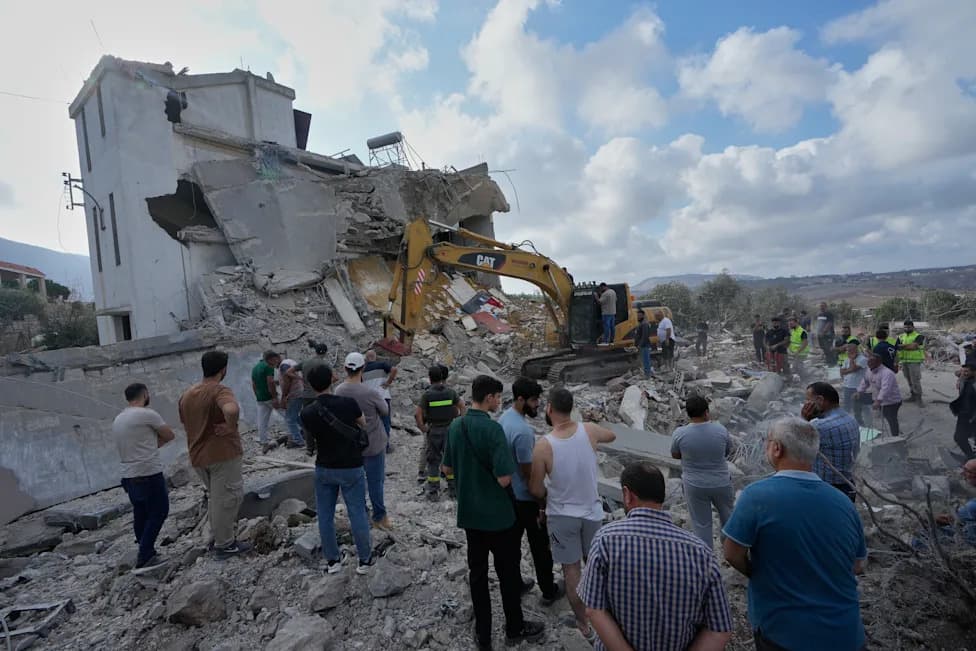
Mayor Abed Ezzedine described a scene of near‑total devastation: roughly 250 housing units — up to an estimated 80% of the village's homes — have been destroyed, while many remaining houses are severely damaged and uninhabitable. Vital infrastructure was also hit: water mains were torn up, electrical networks were blown apart or burned, and the village's only well was destroyed.
"We were shocked by the scale of the destruction. It was much, much more than we had expected," Mayor Abed Ezzedine told UPI. "In this life, everything has limits. Even war should have limits. They changed the face of the village beyond recognition."
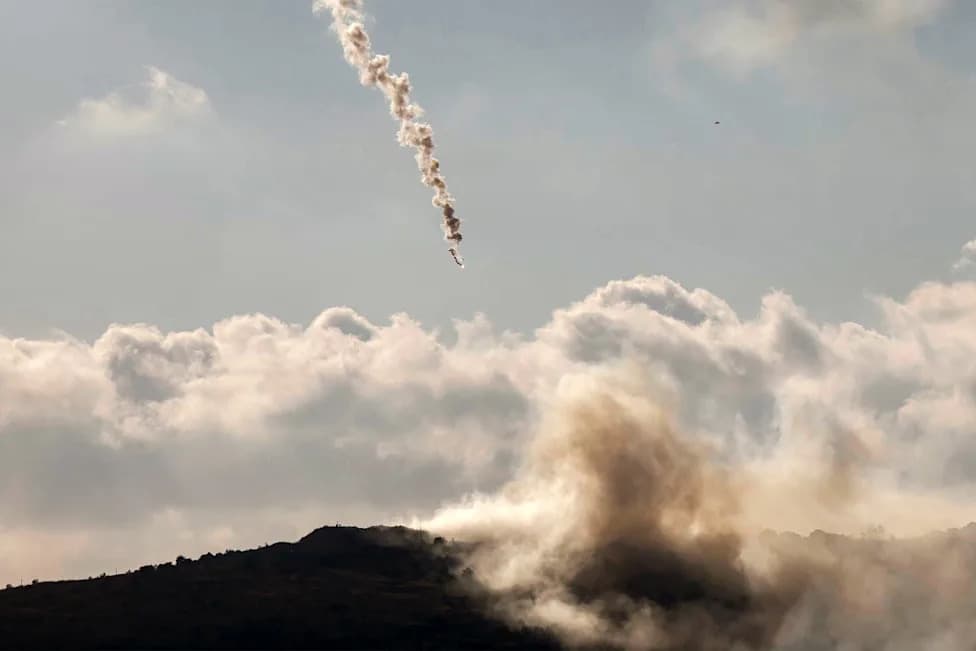
Local accounts say several residents — including entire families — were killed and others injured while fleeing earlier strikes and advancing forces. While Israel reportedly stopped strikes after the Lebanese Army deployment, residents and officials said drones continued to hover at low altitude over the area.
Humanitarian And Political Stakes
How quickly Zawtar al‑Gharbieh is rebuilt will be a test case for the pilot‑zone approach. Rapid reconstruction could ease civilian suffering, restore faith in the Lebanese state and reduce the risk that residents will turn to Hezbollah for protection and services. Officials, however, say funding is the main obstacle.
A Lebanese government source told UPI the country faces two reconstruction options: organize a larger reconstruction conference for the south — a slower, multilateral process — or quickly solicit direct aid from friendly states such as Saudi Arabia and Qatar to rebuild this first pilot village.
Negotiations And Verification
Lebanese and Israeli negotiating teams are scheduled to meet Aug. 4–5 to review progress on establishing additional pilot zones, the U.S.‑led verification mechanism and further Israeli withdrawals from occupied Lebanese territory. The United States, which has ruled out deploying ground troops in southern Lebanon, must propose an acceptable verification formula; names floated include European partners such as Italy, France or Spain, though some reportedly have been rejected by Israel.
The Lebanese source emphasized Beirut's commitment to the framework: "We will not back out of it," even as Israeli Prime Minister Benjamin Netanyahu has linked further withdrawal to the disarmament of Hezbollah and remains cautious ahead of Israel's Oct. 17 elections.
Outlook
Officials warn of "tough negotiations" in upcoming talks and say continued Israeli actions — described by some Lebanese sources as "aggressions, infiltrations and systematic house demolitions" — are complicating the Lebanese Army's deployment, delaying returns and undermining stabilization efforts in the south. Rebuilding Zawtar al‑Gharbieh quickly and transparently will be important both for humanitarian relief and for sustaining the fragile political agreement designed to reduce hostilities between Lebanon and Israel.
Sources: Interviews and reporting by UPI; statements from Mayor Abed Ezzedine and Lebanese government sources.
Help us improve.