Jay Clayton was confirmed 51–47 as Director of National Intelligence. His involvement in subpoenas tied to New York Times reporting on a Qatar-provided jet and public remarks questioning election integrity have raised alarms among press freedom advocates and some lawmakers. Critics warn his record suggests he may prioritize the White House over civil liberties as he assumes control of a powerful intelligence apparatus with an estimated $115 billion budget.
Senate Confirms Jay Clayton As DNI Amid Concerns Over Press Freedom And Independence

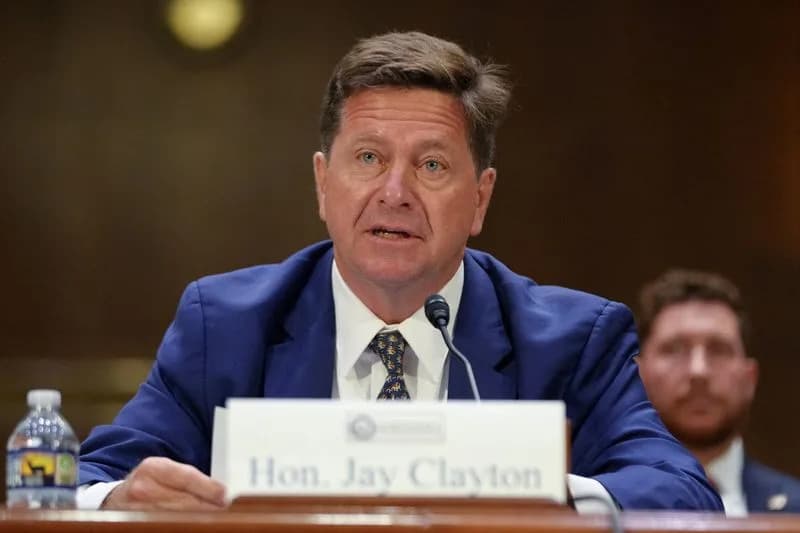
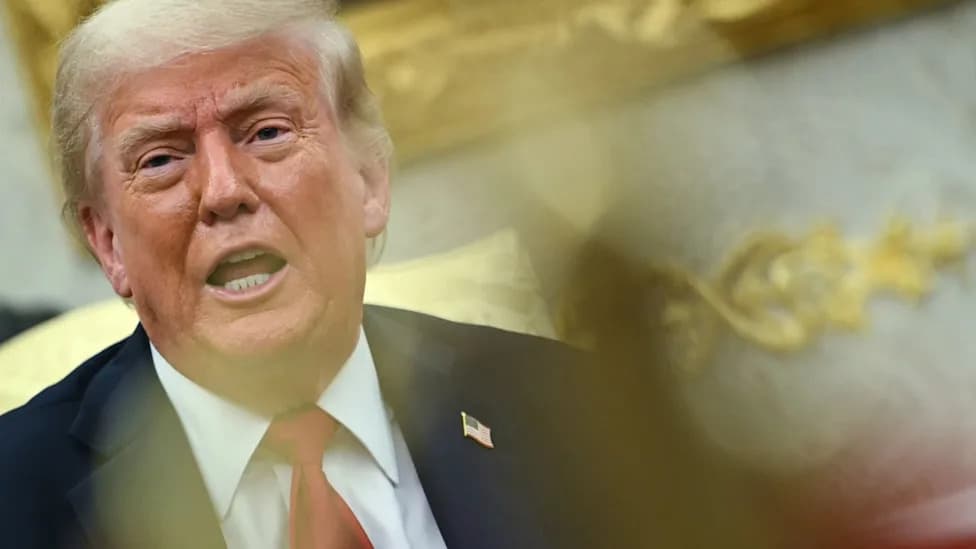
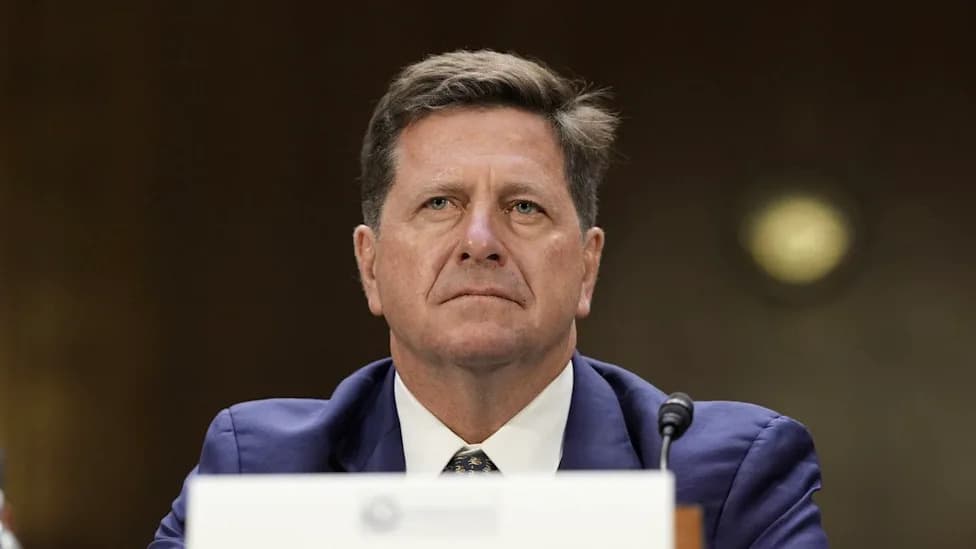
Photo: Tom Williams/CQ Roll Call/Newscom. Illustration: Midjourney
This week the U.S. Senate voted 51–47 to confirm Jay Clayton as Director of National Intelligence (DNI), elevating the former federal prosecutor to a post that oversees the U.S. intelligence community and a roughly $115 billion annual budget.
Why Critics Are Alarmed
Clayton's record has prompted questions about whether he will safeguard civil liberties and press freedom or defer to the White House. Critics point to his role in authorizing subpoenas tied to reporting about a luxury jet provided to President Donald Trump by the government of Qatar, and to public comments in which he questioned the integrity of American election systems.
The Subpoena Controversy
Last month, The New York Times published reporting about a Qatar-provided aircraft that, the paper said, was not sufficiently hardened to replace Air Force One. Within days, Times reporters received subpoenas requiring testimony before a grand jury about their reporting. The subpoenas were signed by Clayton while he was U.S. Attorney for the Southern District of New York, according to reporting.
Department of Justice spokespeople said the inquiry was seeking leakers of classified information rather than targeting journalists. Still, press freedom groups described the subpoenas as an intrusive intervention in the newsgathering process, and the federal judge handling the matter pressed prosecutors for justification.
Facing public backlash and skeptical judicial questioning, the DOJ later withdrew the subpoenas. The episode revived questions about the government’s threshold for compelling reporter testimony, given DOJ policy that compelling journalists is an "extraordinary measure, not standard investigatory practice." Legal precedent complicates the issue: in Branzburg v. Hayes (1972) the Supreme Court held that the First Amendment does not categorically shield journalists from grand jury questioning, and in 2005 Times reporter Judith Miller spent nearly three months jailed for refusing to testify about a confidential source.
Comments on Election Integrity
During his confirmation hearing, Clayton stopped short of a direct statement that President Joe Biden won the 2020 election, instead noting that Biden was "certified" the winner. Critics say that choice of language suggested deference to former President Trump. In recent media appearances, Clayton said there is "a deep problem with voting in America" and voiced concern that some laws that expand access to voting create "opportunity for fraud," language he said was not a direct allegation of widespread fraud.
Powers Of The DNI And Why They Matter
The DNI is the president's principal adviser on national intelligence, coordinates the work of the intelligence community, and oversees the production and delivery of the President's Daily Brief. The office also helps manage intelligence spending—commonly reported at around $115 billion annually—and has a central role in shaping national-security policy and oversight.
Reactions From Lawmakers And Advocates
Sen. Michael Bennet (D–Colo.) said he is concerned Clayton "lacks the independence necessary to successfully lead our intelligence community," citing Clayton's deference to the White House and his handling of the subpoenas and election-related remarks. Trevor Timm of the Freedom of the Press Foundation warned that a pattern of signing off on intrusive investigative tactics as a prosecutor raises troubling questions about how Clayton might use the intelligence community's surveillance authorities.
Conclusion
Clayton assumes the DNI role at a time of heightened scrutiny over executive power, press protections, and public confidence in election administration. Supporters highlight his prior public-service experience; critics worry his record of deference to the presidency and involvement in controversial subpoenas could presage a tenure that prioritizes political loyalty over institutional independence and civil liberties.
Help us improve.