President Javier Milei has signed an emergency decree tightening Argentina's immigration rules to allow authorities to bar, revoke residency for, or deport foreigners who engage in hate speech, incite violence against Argentines, or insult national symbols. The measure exempts constitutionally protected political, academic and civic criticism, cites a Supreme Court ruling on state sovereignty over immigration and takes effect immediately pending congressional review. Officials framed the decree as a response to an "anti‑Argentina" backlash after the 2026 World Cup and amid diplomatic tensions with Brazil.
Milei Enacts Emergency Decree to Bar or Expel Foreigners Over 'Anti‑Argentina' Hate
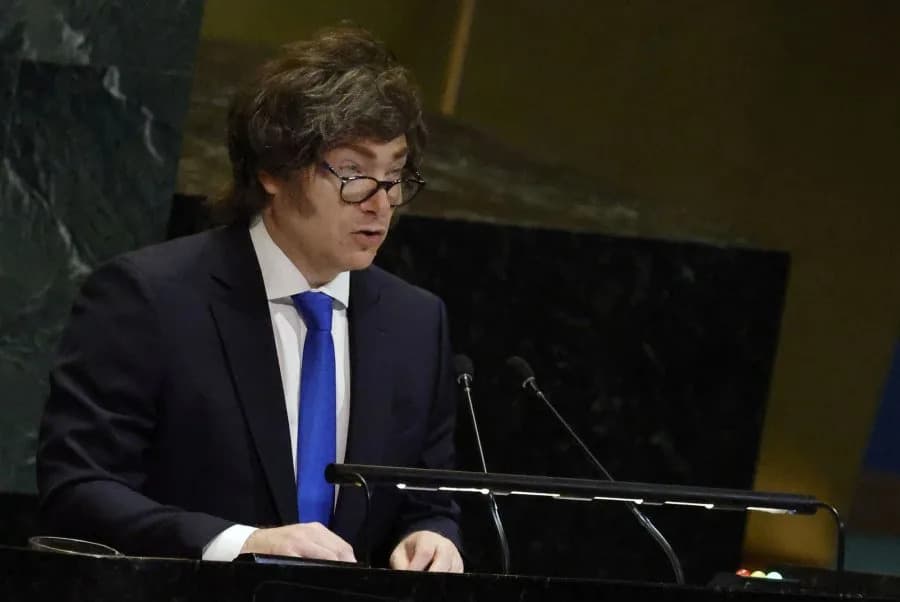
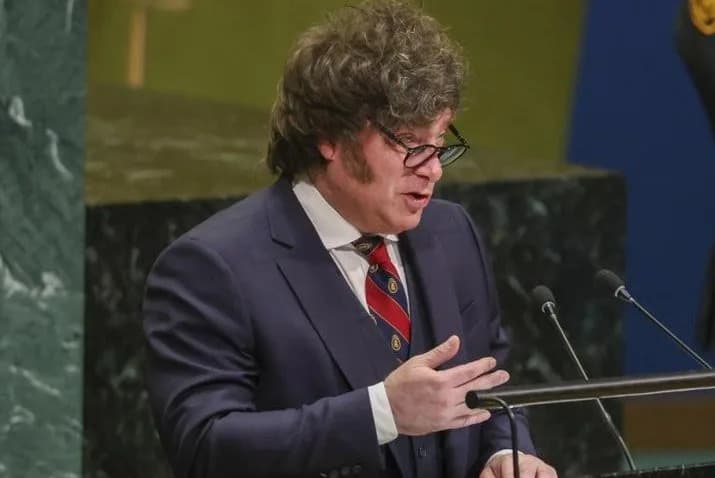
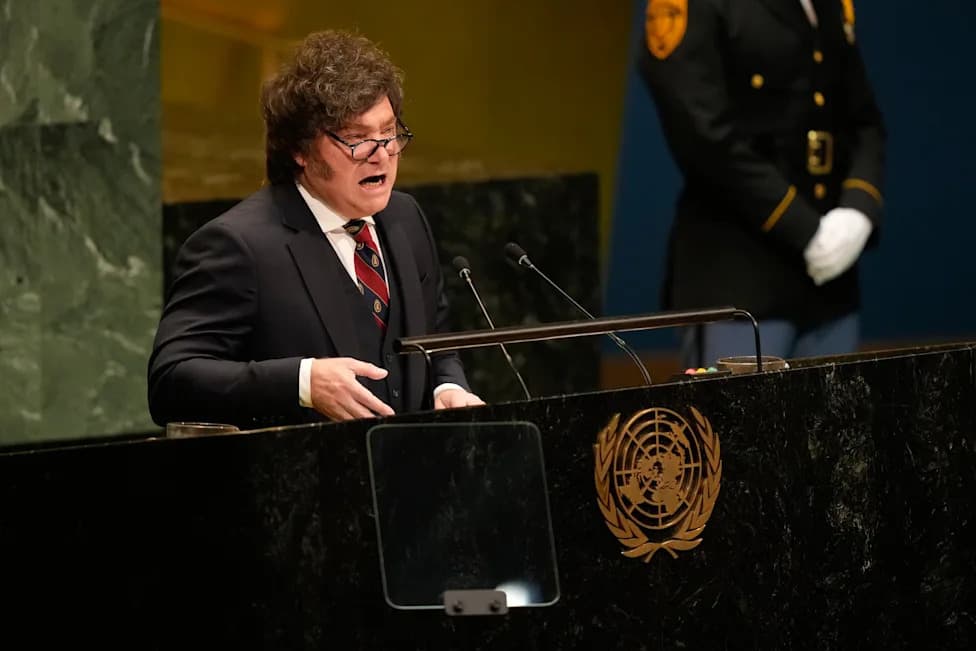
President of Argentina Javier Milei speaks at the General Debate in the U.N. General Assembly Hall at the United Nations Headquarters in 2025 in New York City. In a statement on Thursday, he said, "The defense of the nation, its citizens and its national symbols is non-negotiable. Anyone who attacks the Argentine Republic is not welcome in our country." File Photo by Peter Foley/UPI
Argentina's president, Javier Milei, has issued an emergency decree tightening immigration rules to allow authorities to deny entry, revoke residency or deport foreigners who promote hate speech, incite violence against Argentines, or participate in actions that insult national symbols.
The measure amends Argentina's immigration law and was enacted by presidential decree. The government says the rules do not apply to ideological disagreement or to political, academic or civic criticism protected by the Argentine Constitution.
What the decree allows
Under the new provisions, oral or written hate speech, incitement to violence targeting people because of their Argentinian nationality and participation in or encouragement of acts insulting national symbols are listed as grounds to refuse entry. The National Directorate of Migration is authorized to revoke legal residency and order an individual to leave the country or face deportation after a case‑by‑case review.
Legal and procedural notes
The government cited a ruling by Argentina's Supreme Court affirming the state's sovereign authority to define conditions for foreign nationals to enter and remain in its territory. The decree took effect on Friday and will be reviewed by a congressional committee before lawmakers vote to uphold or overturn it.
Government rationale and context
Milei's office said the action responds to "recent displays of hostility toward the Argentine Republic and the Argentine people." In a statement, Milei said, "The defense of the nation, its citizens and its national symbols is non‑negotiable. Anyone who attacks the Argentine Republic is not welcome in our country."
The decree follows a wave of international criticism aimed at Argentina and some of its fans after Spain defeated Argentina in the 2026 FIFA World Cup final. Argentine officials characterized the backlash as part of an "anti‑Argentina campaign." A Clarín poll cited by local media found that nearly eight in 10 Argentines believe such a campaign exists, while roughly 69% said they think it may be orchestrated.
Named public figures who criticized Argentina included actor Samuel L. Jackson, former adult performer Mia Khalifa, singer Niall Horan and author Arturo Pérez‑Reverte. Spanish singer Rosalía later apologized after resharing social media content that mocked Argentina's defeat.
Diplomatic fallout
The move arrives amid rising diplomatic tensions with Brazil after Milei publicly insulted Brazilian President Luiz Inácio Lula da Silva, prompting Brazil to recall its ambassador to Buenos Aires for consultations and summon Argentina's ambassador in Brasília. Milei has also accused the governments of Brazil and Mexico and the U.S. Democratic Party of helping to fuel the alleged anti‑Argentina campaign.
Outlook
The decree centralizes new powers in immigration authorities and could lead to high‑profile denials of entry or residency revocations. Observers say the measure will likely provoke legal and political debate in Argentina about the balance between national‑security or reputational protections and freedom of expression; that debate will play out as Congress considers whether to ratify or reject the emergency decree.
Help us improve.