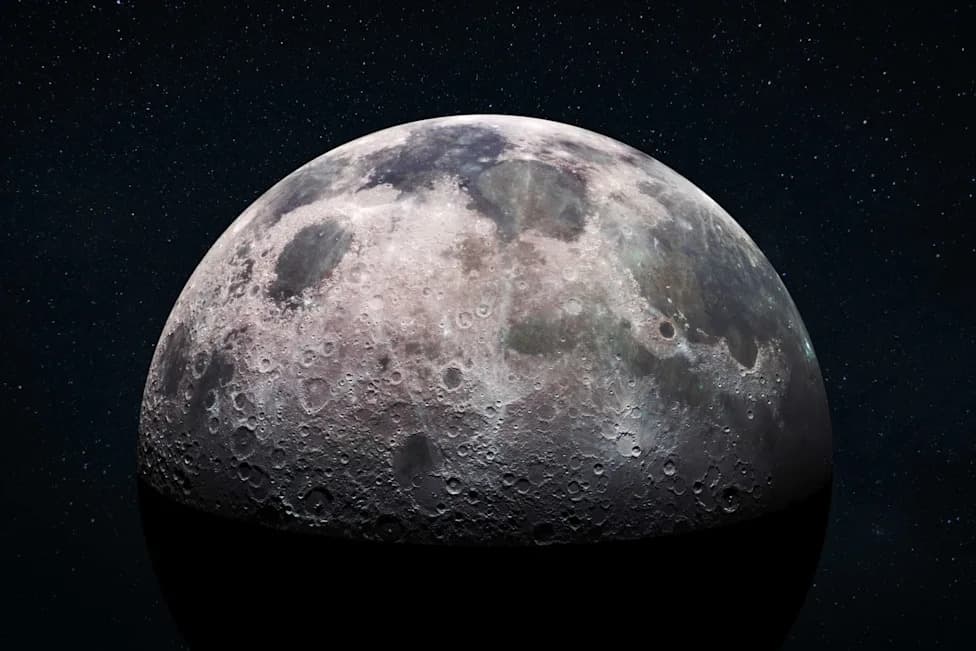
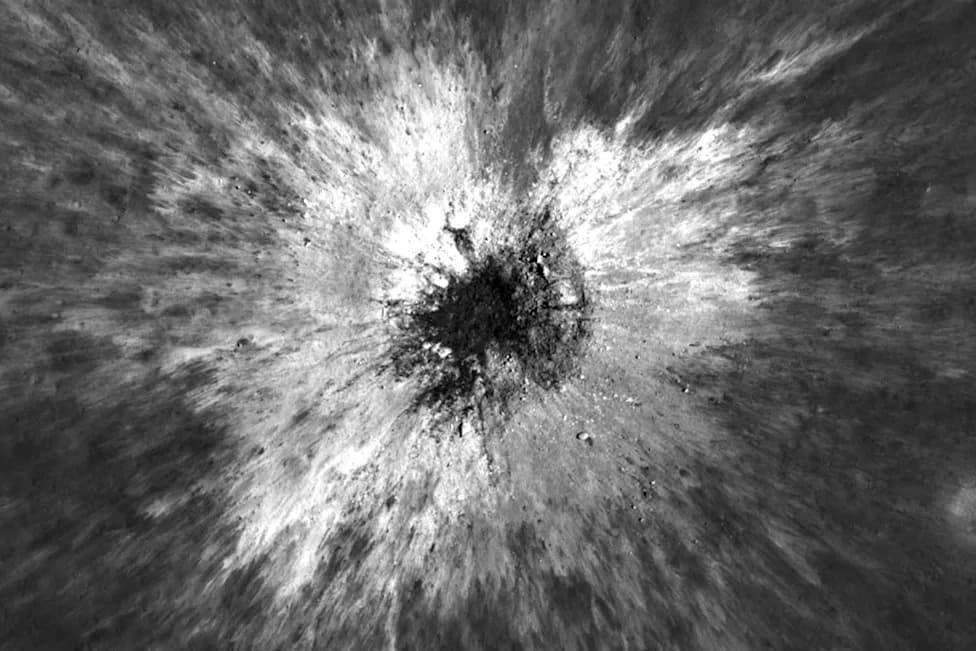
The 45-foot Falcon 9 upper stage launched in Jan 2025 is predicted to hit the Moon near Einstein crater at about 2:34 a.m. ET on Aug. 5. Bill Gray (Project Pluto) tracked the object as 2025-010D and estimates the 8,800-lb stage will strike at ~2.43 km/s (~5,400 mph). The mostly hollow stage could create a roughly 66–98 ft (20–30 m) crater and a dust plume detectable by professional observatories. The event poses no danger but underscores concerns about disposal of space hardware.
Falcon 9 Upper Stage Poised to Strike the Moon at ~5,400 mph — What to Know
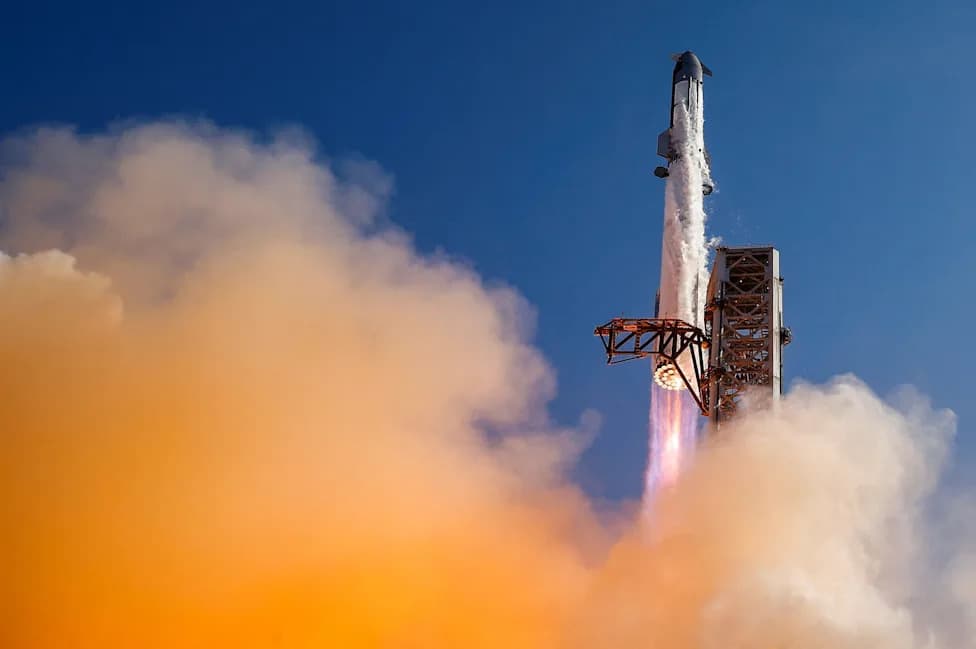
Starship launches July 24 from SpaceX's Starbase company town and headquarters in South Texas. The mission represented the 13th flight test for the 407-foot-tall rocket, the largest in the world, as Elon Musk's company readies it for missions to the moon and Mars.(Steve Nesius/Reuters)
A portion of a SpaceX Falcon 9 rocket is predicted to collide with the Moon within days. An independent analysis indicates the 45-foot upper stage (the rocket's second stage) will strike the lunar near side at high speed, creating a small new crater and lofting a dust plume that professional observatories may be able to detect from Earth.
What Is Happening
What’s expected: Astronomer Bill Gray, using his Project Pluto tracking tools and ground-based observations, identified the object as 2025-010D and projects the 8,800-pound (about 3,990 kg) Falcon 9 upper stage will impact the Moon near the Einstein crater roughly at 2:34 a.m. ET on Wednesday, Aug. 5.
Why it won’t burn up: The Moon has no atmosphere, so incoming hardware does not ablate and will strike the surface intact rather than burning up as it would on Earth.
Background: How This Happened
The upper stage in question launched in January 2025 from Kennedy Space Center, carrying Firefly Aerospace’s uncrewed Blue Ghost lander to the lunar surface. Blue Ghost reached the Moon and operated for about one lunar day (≈14 Earth days). While the lander and its protective fairing completed their missions, the Falcon 9 second stage appears to have been left in a highly elongated Earth orbit instead of reentering and burning up.
Impact Details and Scientific Value
Speed and force: Gray’s trajectory analysis estimates the stage will strike at about 2.43 kilometers per second (≈5,400 mph), more than seven times the speed of sound. Because the stage is mostly hollow, it is not expected to excavate as large a crater as a dense asteroid of the same mass.
Estimated crater: A co-authored study (not yet peer reviewed) estimates a resulting crater roughly 66–98 feet (20–30 meters) across. The collision could also loft a plume of dust rising miles above the surface; professional telescopes and space-based observatories may be able to observe the flash or subsequent plume.
Visibility, Risk and Context
Backyard telescopes are unlikely to detect the brief impact flash. Astronomers using large ground-based facilities and orbiting observatories, however, will attempt to capture the event and study the crater and ejecta to learn about impact dynamics and the properties of the lunar regolith.
There is no danger to people on Earth and no risk to lunar missions from this single impact. Still, the incident highlights broader concerns about how leftover space hardware is handled and disposed of — a topic gaining attention as more objects accumulate in Earth orbit.
Past Precedent
This is not the first artificial high-speed impact on the Moon. NASA’s LCROSS mission deliberately impacted the lunar surface in 2009 to search for water ice, producing a plume that revealed materials possibly shielded from sunlight for billions of years.
What to watch for: If you follow the event, look for updates from observatories and Bill Gray’s Project Pluto website for refined timing and any observed results after the impact.
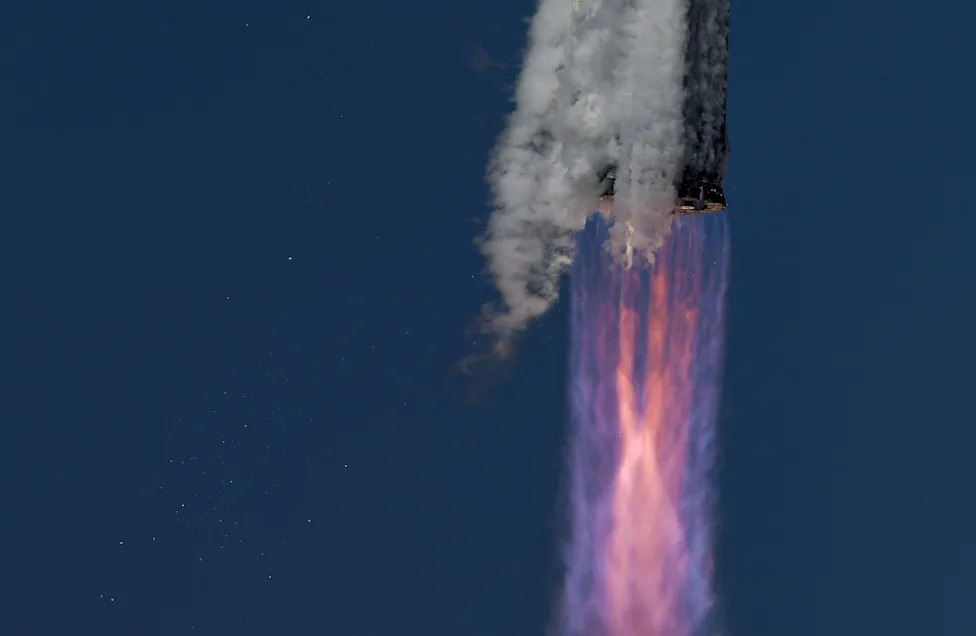
Starship launches July 24 from SpaceX's Starbase company town and headquarters in South Texas. The mission represented the 13th flight test for the 407-foot-tall rocket, the largest in the world, as Elon Musk's company readies it for missions to the moon and Mars.(Steve Nesius/Reuters)
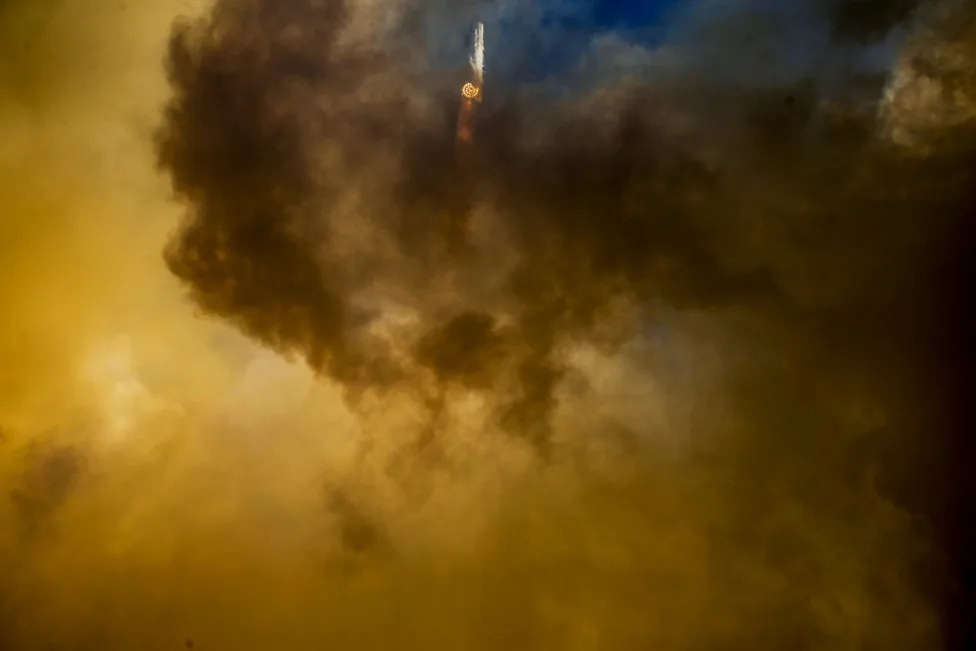
Smoke and dust fill the air as the SpaceX Starship and Super Heavy v3 Booster lift off on its 13th test flight from the SpaceX launch complex in Starbase, Texas, U.S., July 24, 2026.(Steve Nesius/Reuters)
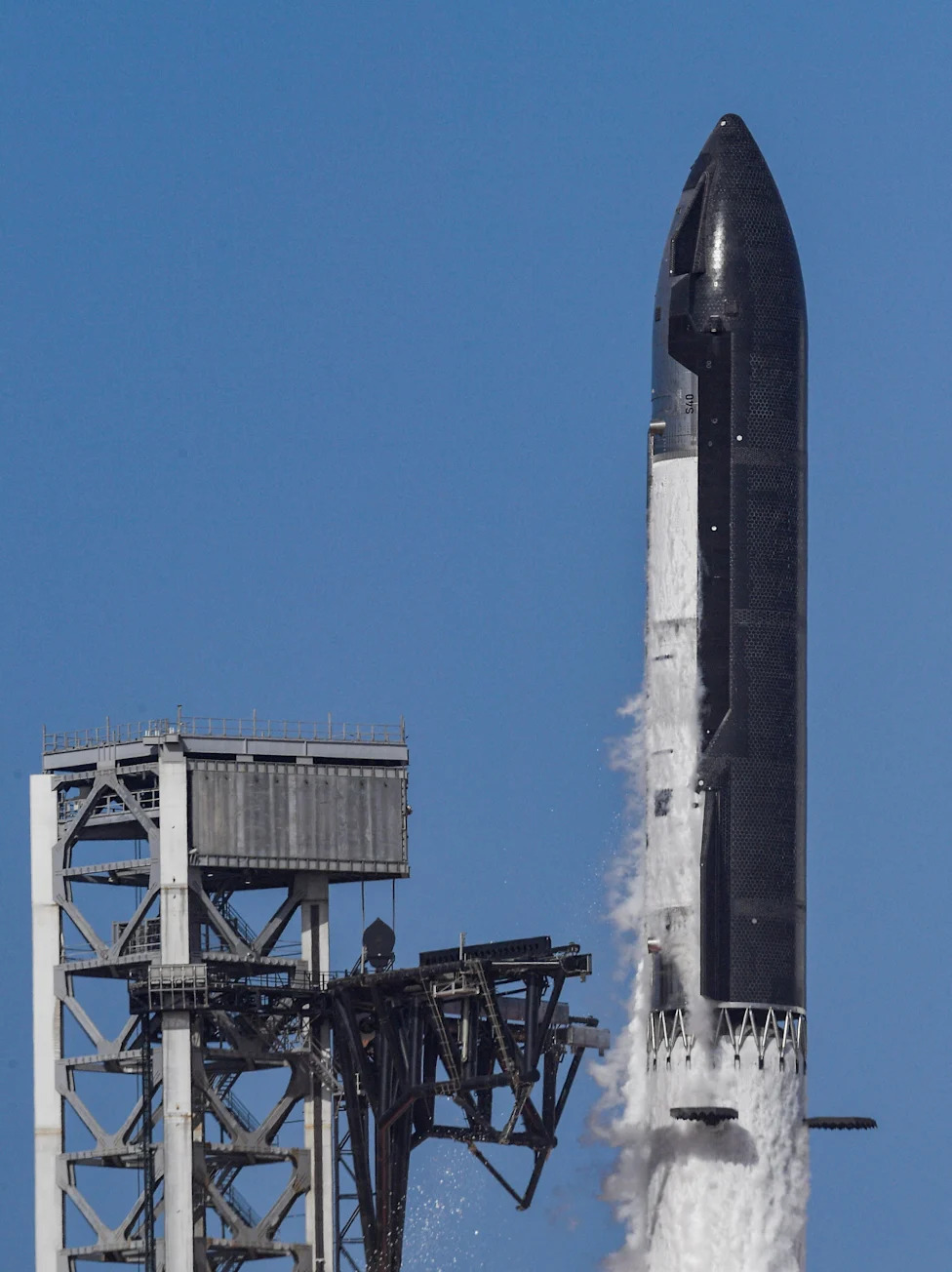
Starship launches July 24 from SpaceX's Starbase company town and headquarters in South Texas. The mission represented the 13th flight test for the 407-foot-tall rocket, the largest in the world, as Elon Musk's company readies it for missions to the moon and Mars.(Steve Nesius/Reuters)
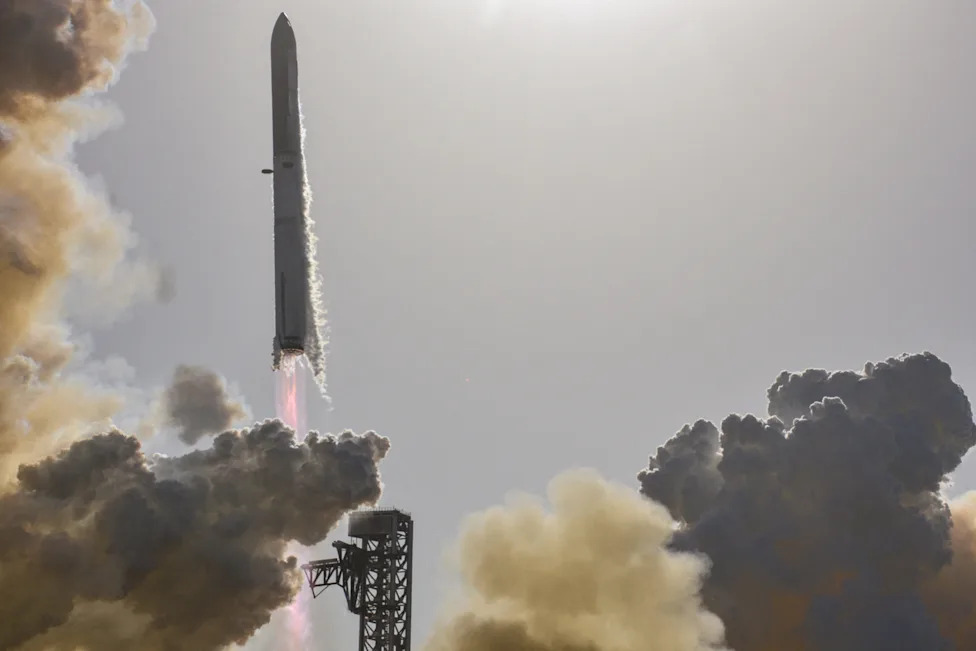
Starship launches July 24 from SpaceX's Starbase company town and headquarters in South Texas. The mission represented the 13th flight test for the 407-foot-tall rocket, the largest in the world, as Elon Musk's company readies it for missions to the moon and Mars.(Steve Nesius/Reuters)
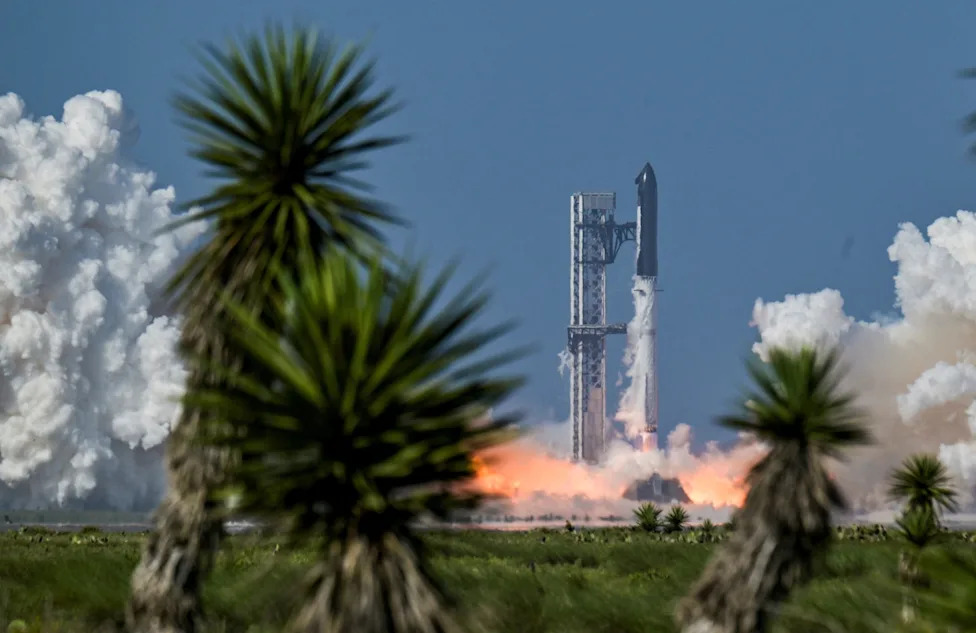
Starship launches July 24 from SpaceX's Starbase company town and headquarters in South Texas. The mission represented the 13th flight test for the 407-foot-tall rocket, the largest in the world, as Elon Musk's company readies it for missions to the moon and Mars.(Steve Nesius/Reuters)
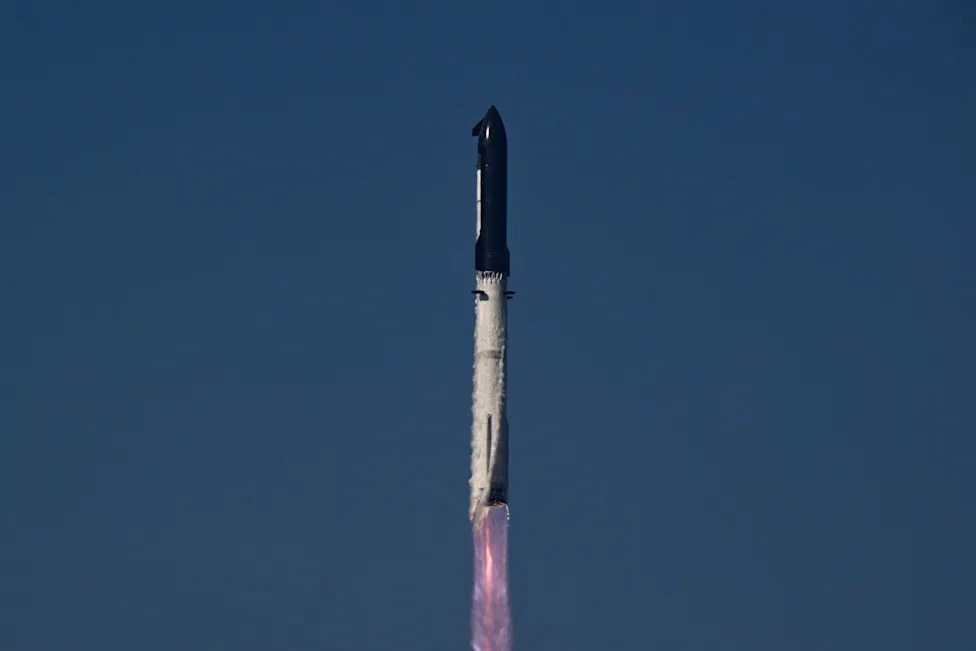
Starship launches July 24 from SpaceX's Starbase company town and headquarters in South Texas. The mission represented the 13th flight test for the 407-foot-tall rocket, the largest in the world, as Elon Musk's company readies it for missions to the moon and Mars.(Steve Nesius/Reuters)
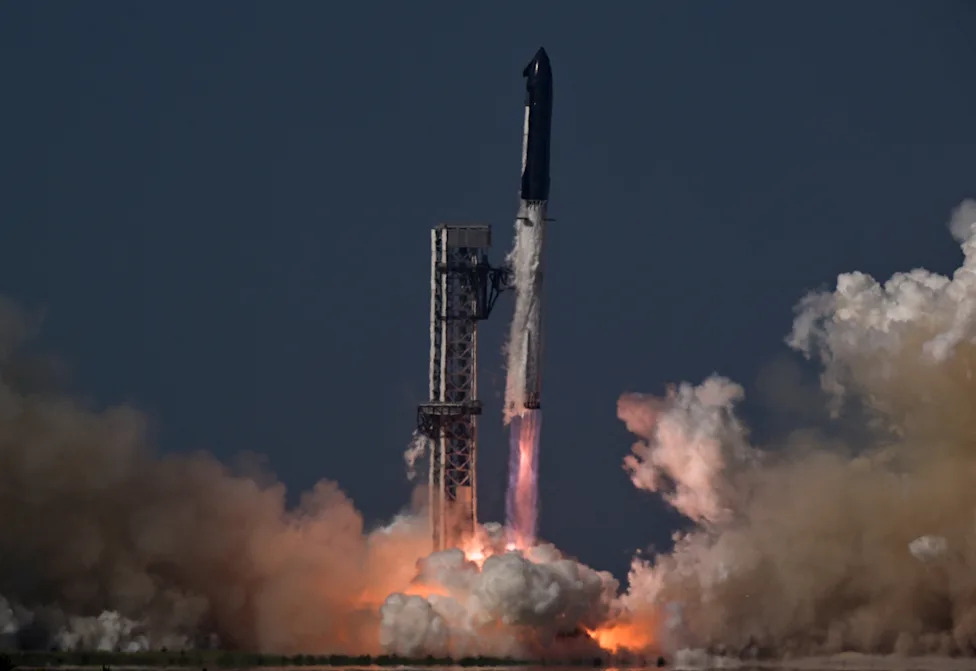
Starship launches July 24 from SpaceX's Starbase company town and headquarters in South Texas. The mission represented the 13th flight test for the 407-foot-tall rocket, the largest in the world, as Elon Musk's company readies it for missions to the moon and Mars.(Steve Nesius/Reuters)
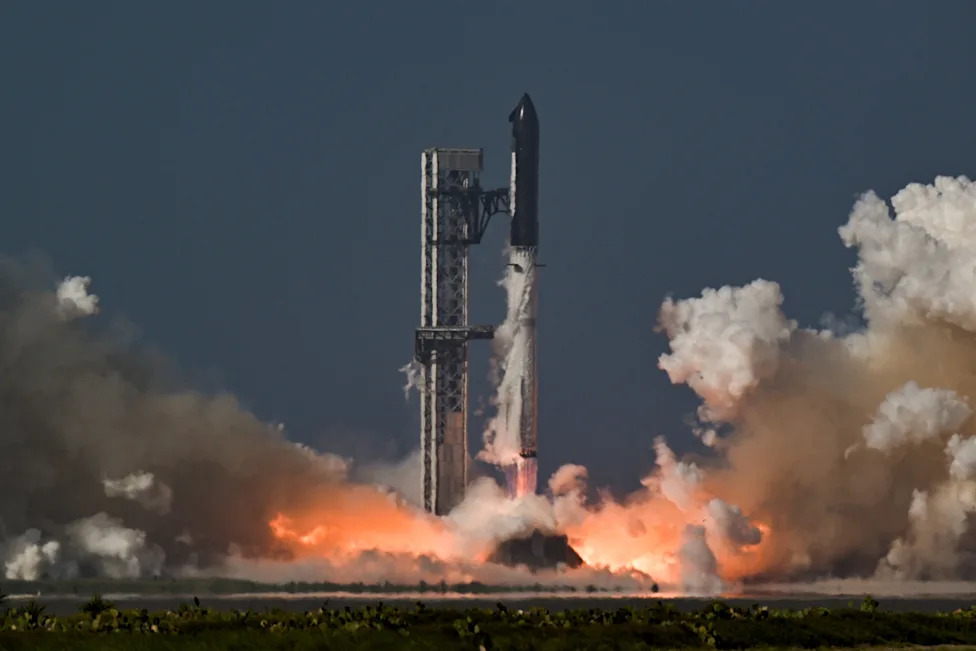
Starship launches July 24 from SpaceX's Starbase company town and headquarters in South Texas. The mission represented the 13th flight test for the 407-foot-tall rocket, the largest in the world, as Elon Musk's company readies it for missions to the moon and Mars.(Steve Nesius/Reuters)
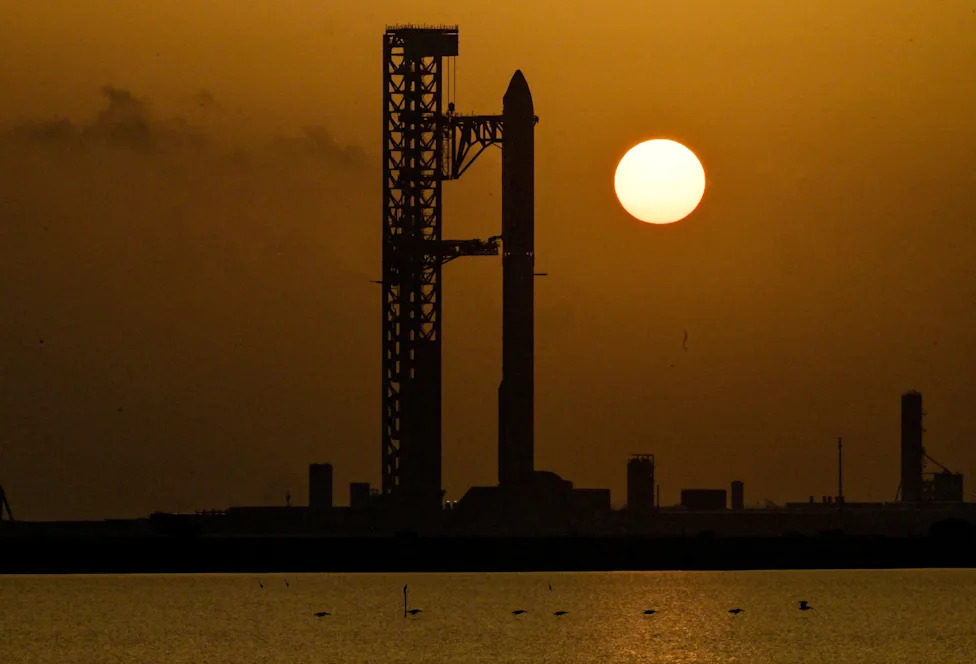
A fully-stacked Starship is vertical on the launch pad July 24 at Starbase in South Texas at sunrise as preparations continue to launch its 13th test flight.(Steve Nesius/Reuters)
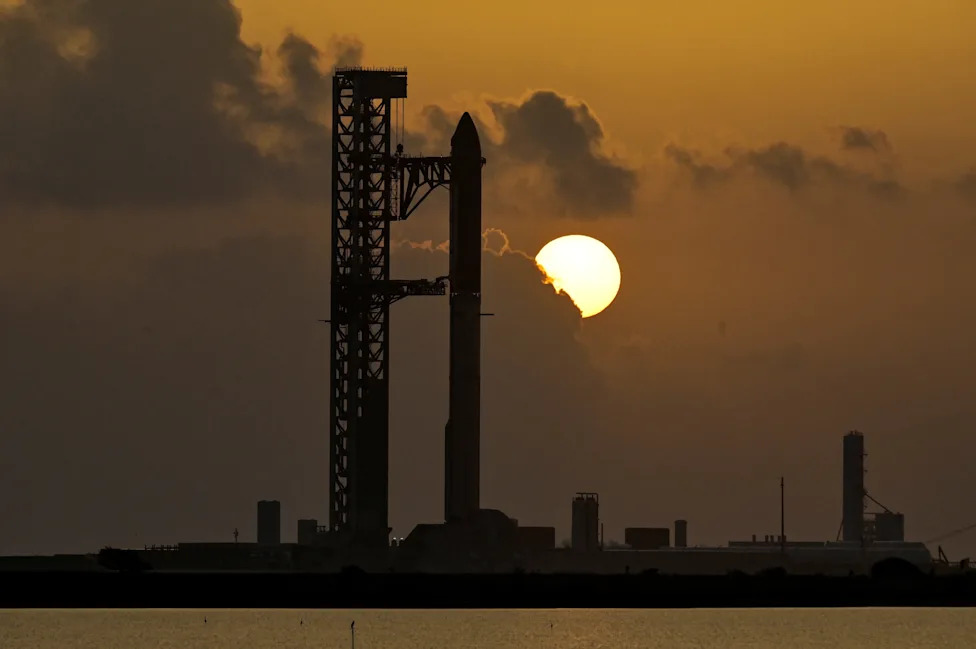
A fully-stacked Starship is vertical on the launch pad July 24 at Starbase in South Texas at sunrise as preparations continue to launch its 13th test flight.(Steve Nesius/Reuters)
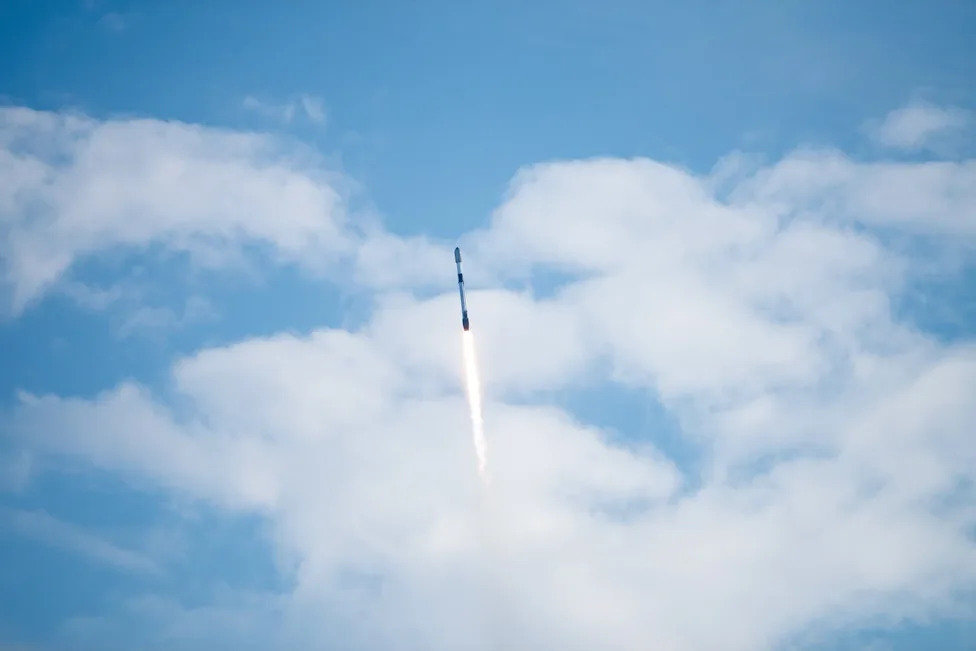
A Falcon 9 rocket launches July 13 on a mission to deliver SpaceX's Starlink satellites to its constellation in low-Earth orbit.(Provided by the Vandenberg Space Force Base)
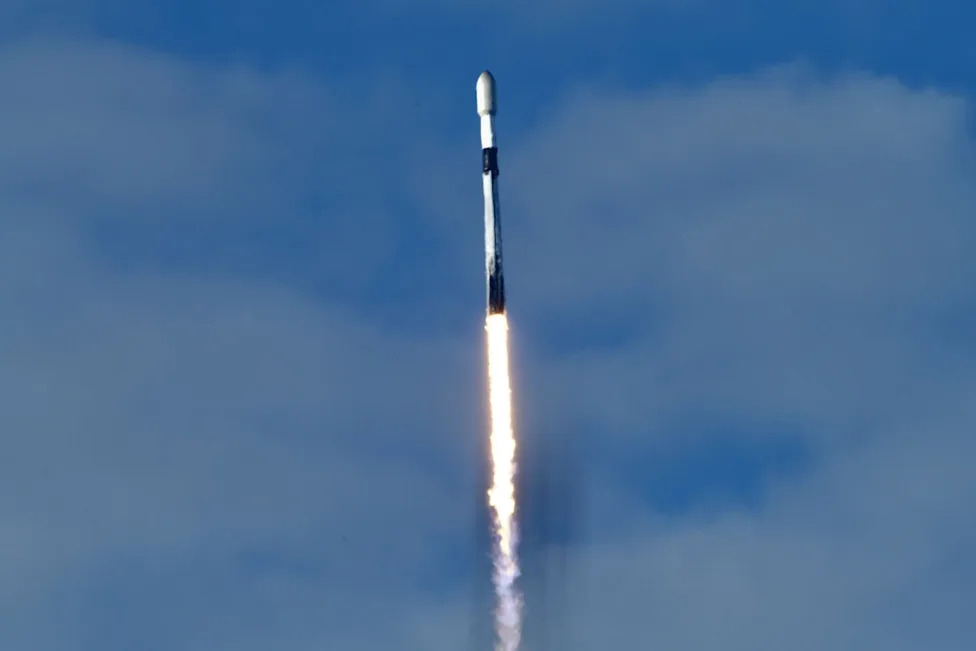
A SpaceX Falcon 9 rocket launches July 21 from the Vandenberg Space Force Base on a Starlink satellite deployment mission. The flight marked the 50th launch of 2026 in California.(Provided by the Vandenberg Space Force Base)
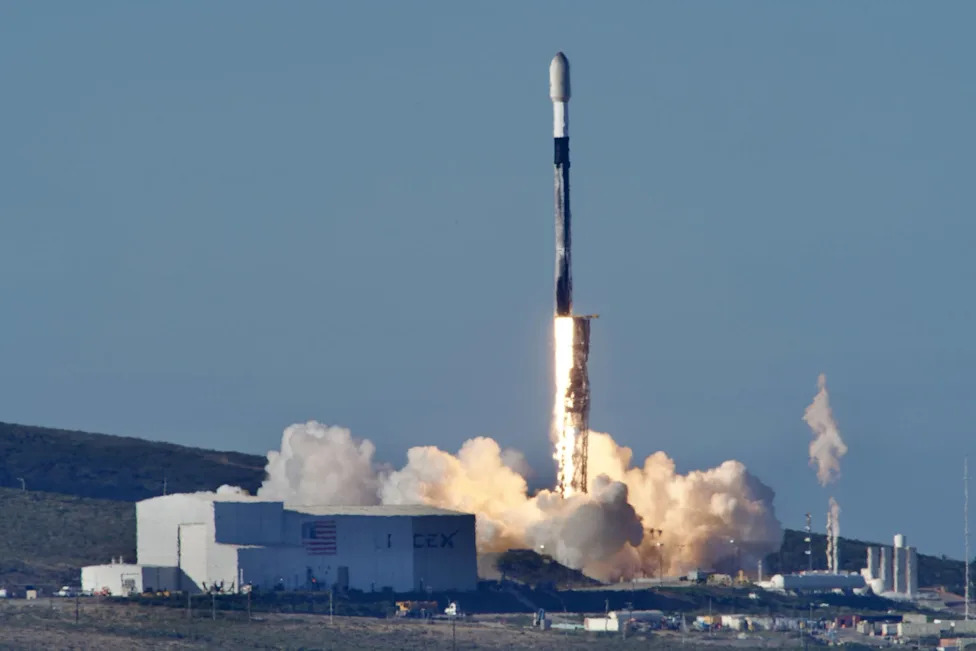
A SpaceX Falcon 9 rocket launches July 21 from the Vandenberg Space Force Base on a Starlink satellite deployment mission. The flight marked the 50th launch of 2026 in California.(Provided by the Vandenberg Space Force Base)
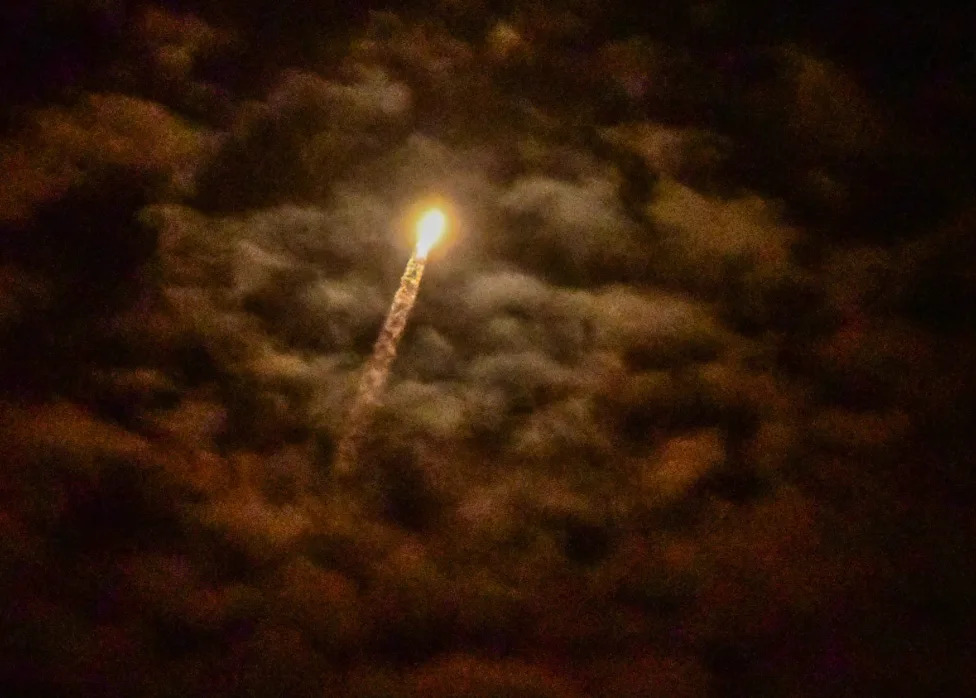
Launch of a SpaceX Falcon 9 rocket carrying 29 Starlink satellites into low-Earth orbit. Launch was at 5:10 a.m. on Tuesday, July 14 from Launch Complex 40 at Cape Canaveral Space Force Station in Florida.(Malcolm Denemark/USA TODAY Network)
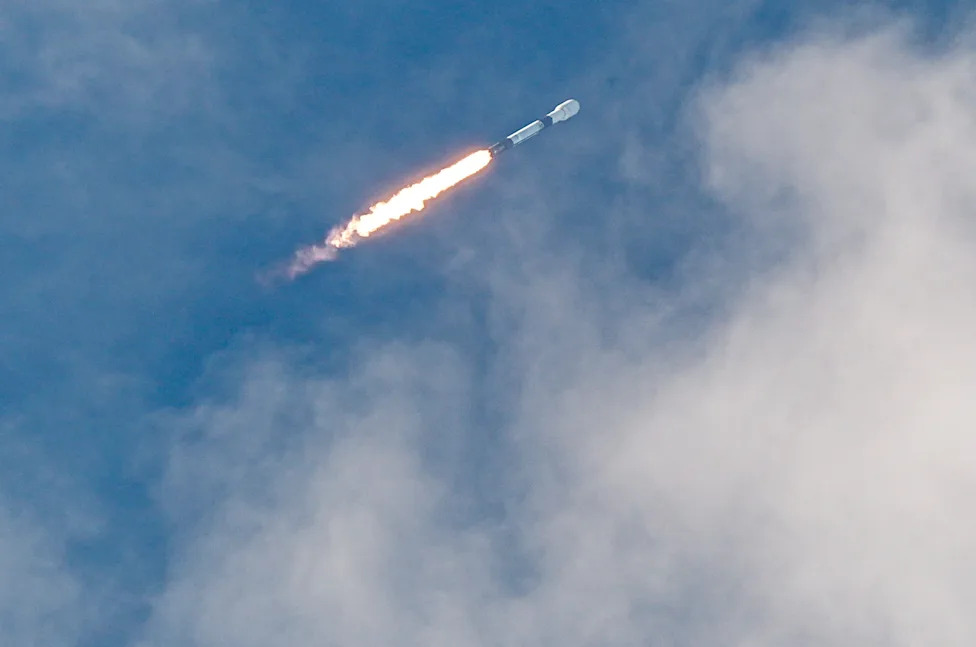
A SpaceX Falcon 9 rocket lifts off from Cape Canaveral Space Force Station July 21, 2026, carrying Northrop Grumman’s MRV-MEP satellite, designed to service other satellites while in orbit.(Craig Bailey/USA TODAY Network)
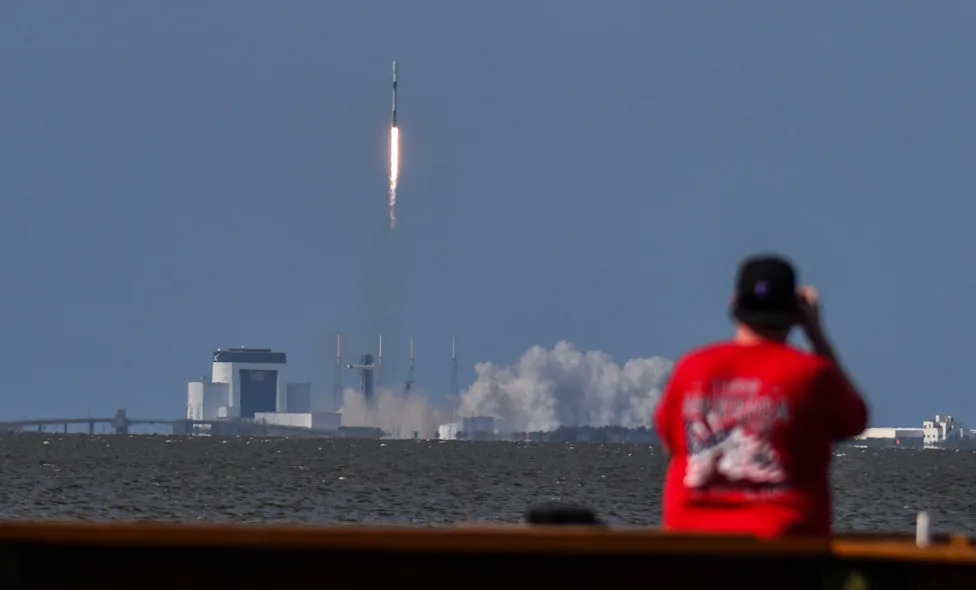
A spectator watches in Florida as a SpaceX Falcon 9 rocket lifts off from the Cape Canaveral Space Force Station.(Malcolm Denemark/USA TODAY Network)
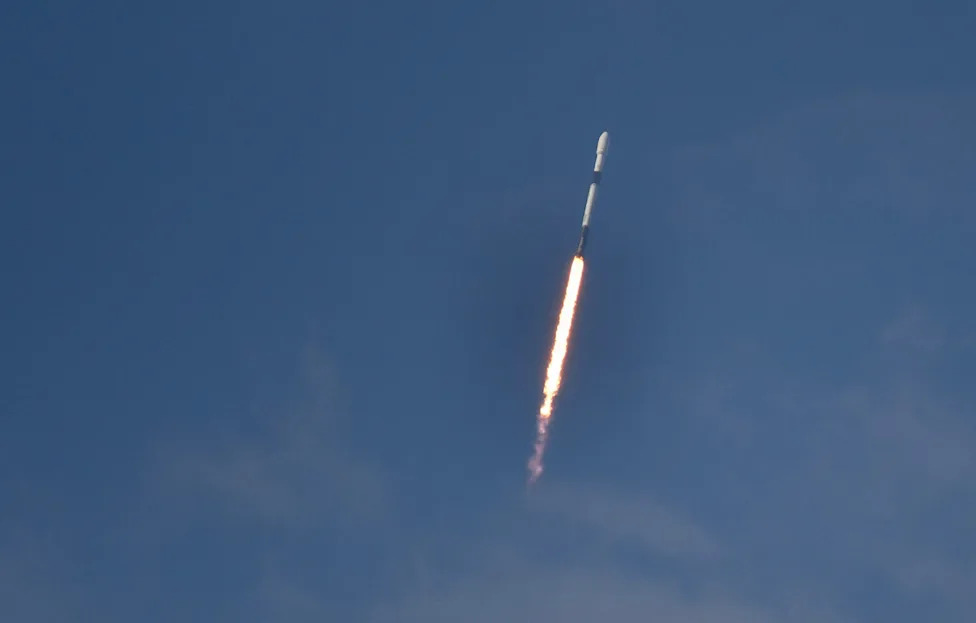
Launch of a SpaceX Falcon 9 rocket with Northrop Grumman's Mission Robotic Vehicle and Mission Extension Pod jetpacks. Launch was at 5:15 p.m. Tuesday, July 21 from Launch Complex 40 at Cape Canaveral Space Force Station in Florida.(Malcolm Denemark/USA TODAY Network)
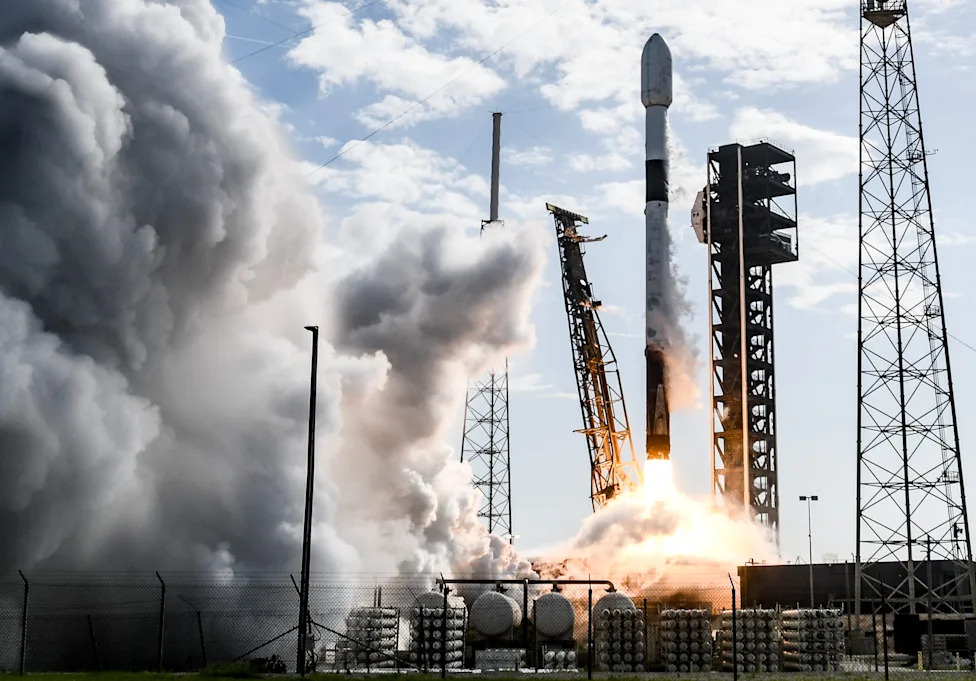
A SpaceX Falcon 9 rocket lifts off July 21 from the Cape Canaveral Space Force Station in Florida carrying Northrop Grumman’s MRV-MEP satellite, designed to service other satellites while in orbit.(Craig Bailey/USA TODAY Network)
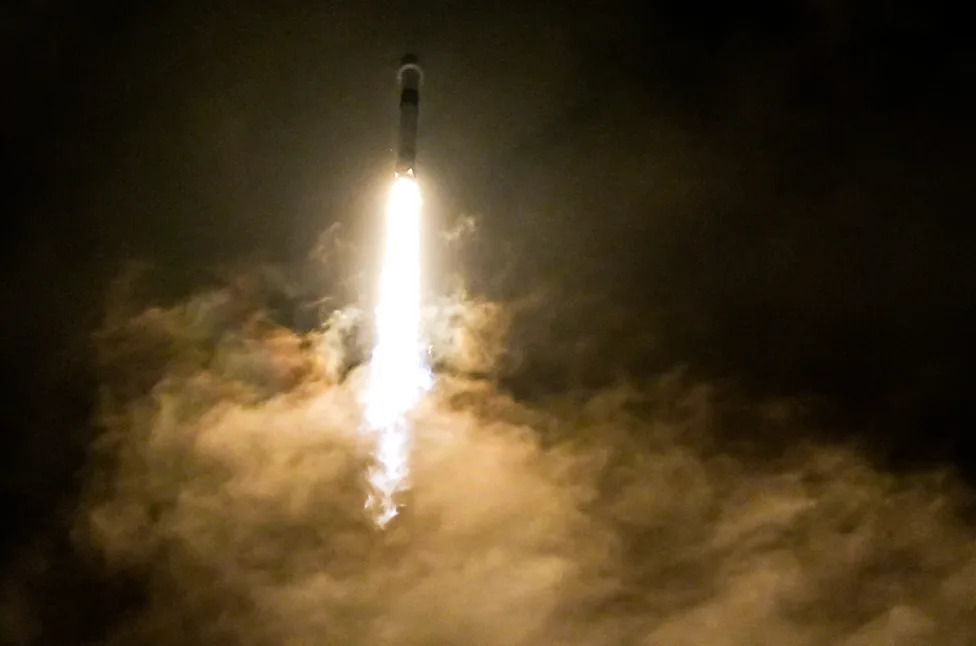
A SpaceX Falcon 9 rocket lifts off July 30 from the Cape Canaveral Space Force Station in Florida.(Craig Bailey/USA TODAY Network)
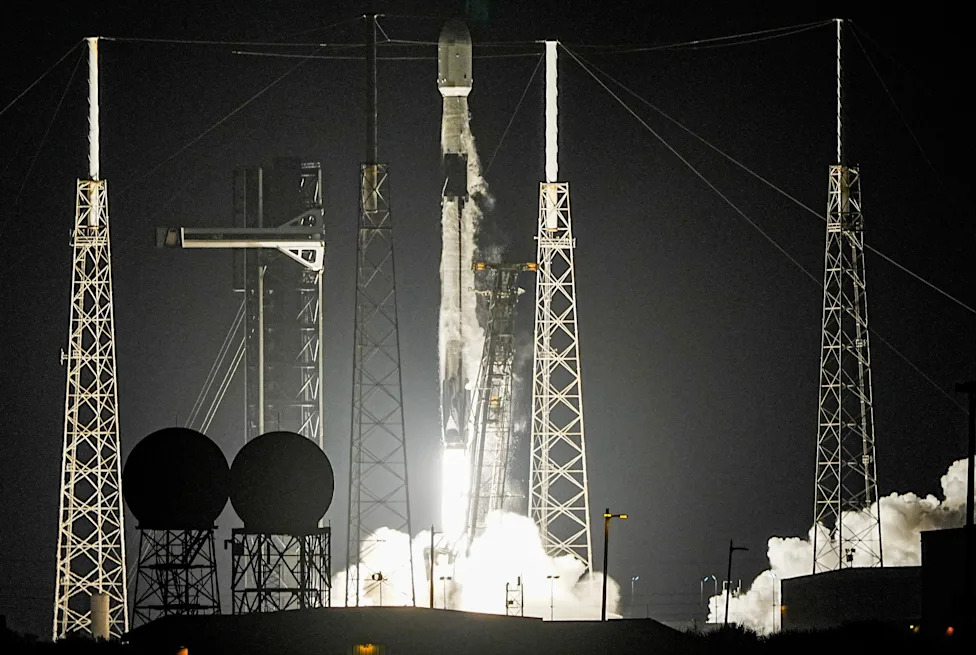
A SpaceX Falcon 9 rocket lifts off July 30 from the Cape Canaveral Space Force Station in Florida.(Craig Bailey/USA TODAY Network)
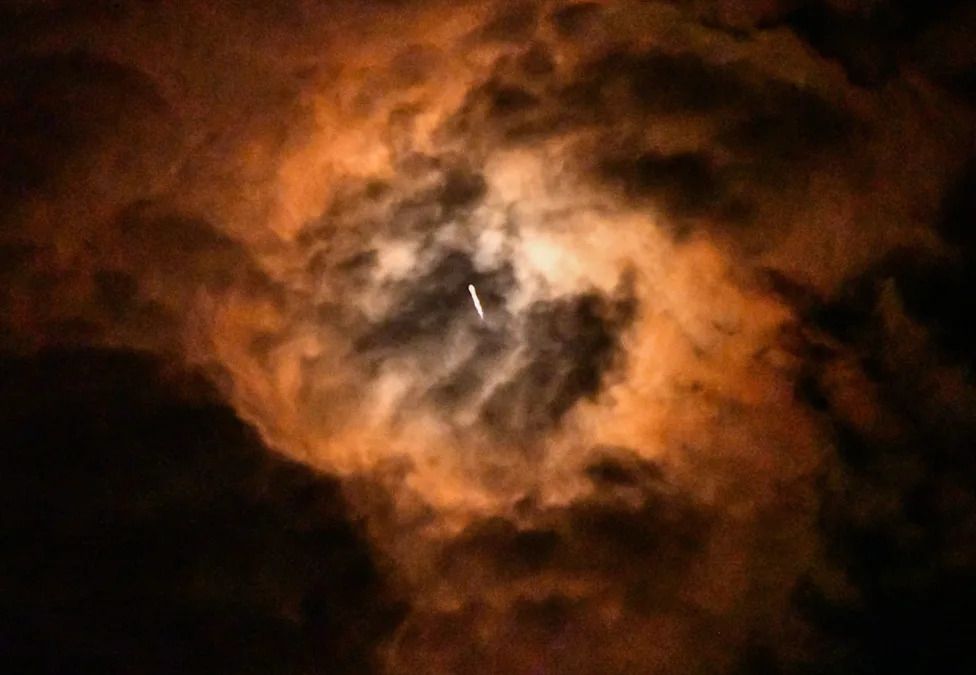
The July 30 launch of a SpaceX Falcon 9 rocket carrying a national security payload designed, built and operated by the National Reconnaissance Organization from the Cape Canaveral Space Force Station in Florida.(Malcolm Denemark/USA TODAY Network)
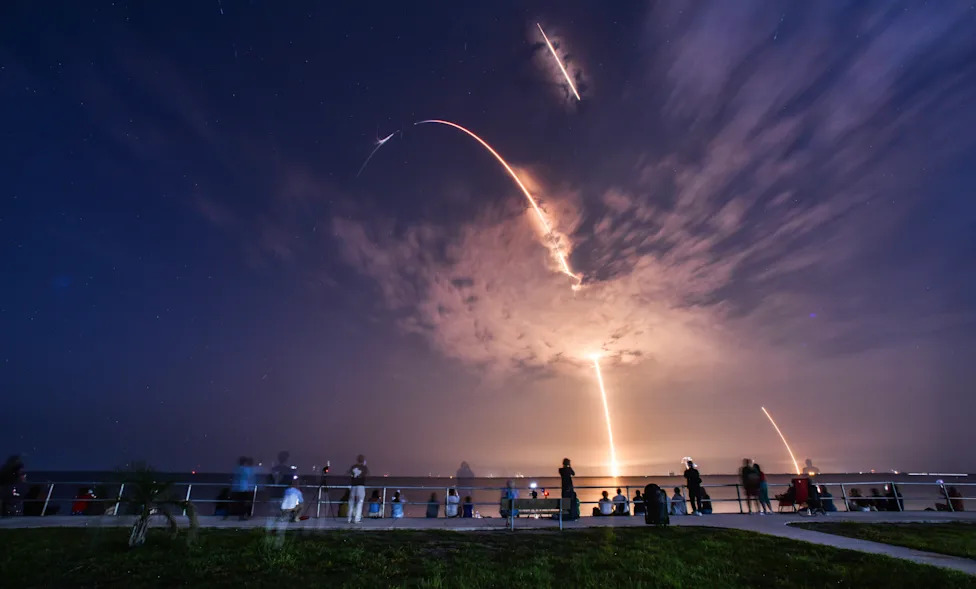
Spectators at Kennedy Point Park in Titusville watch the launch and booster landing of a SpaceX Falcon 9 rocket on July 30 carrying a national security payload designed, built and operated by the National Reconnaissance Organization. Liftoff took place from Launch Complex 40 at Cape Canaveral Space Force Station in Florida.(Malcolm Denemark/USA TODAY Network)
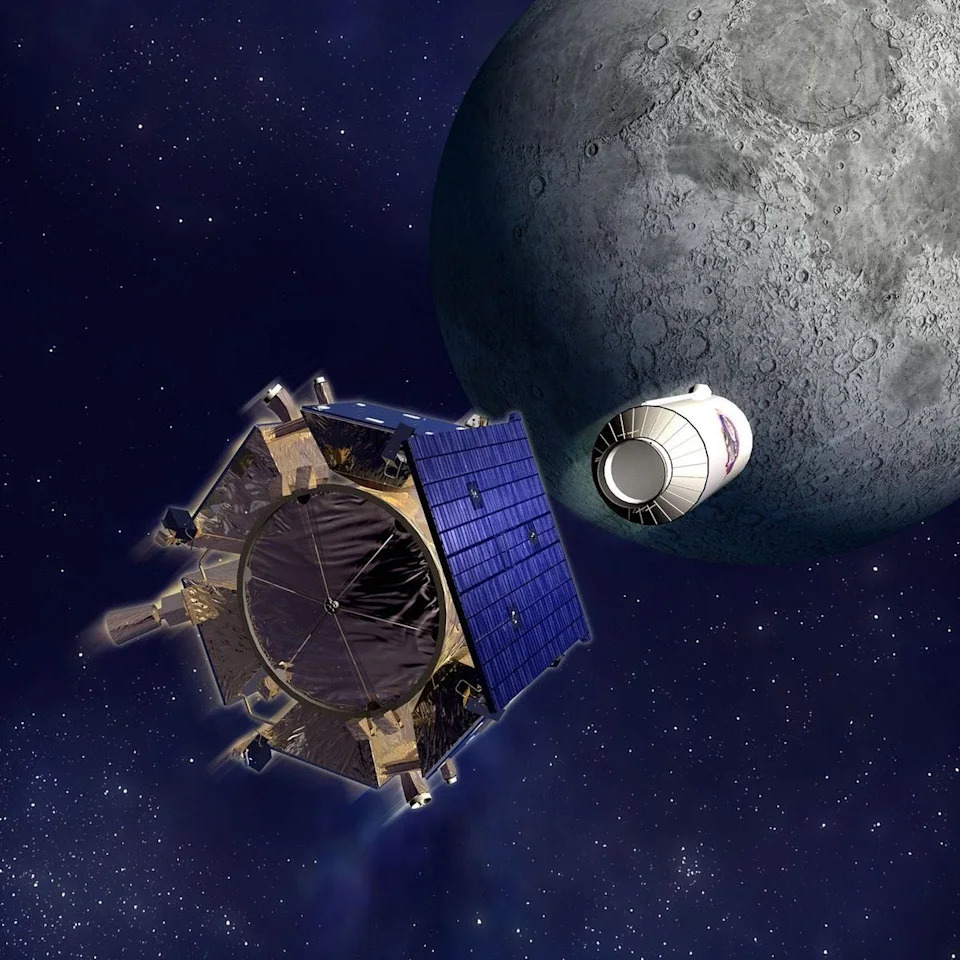
An artist's rendering of the LCROSS spacecraft and Centaur separation at the moon.
Help us improve.