Summary: The Netflix docuseries The Idaho Murders: College Nightmare covers the investigation into the Nov. 13, 2022 murders of four University of Idaho students but omits several reported details about the accused, Bryan Kohberger. Missing items include allegations of stalking, phone photos and detailed call logs with his mother the day of the killings, reported mental-health diagnoses, digital search activity and efforts to obscure vehicle links to the scene. These omitted items provide additional context cited by investigators and reporters.
What Netflix Left Out: Key Details Missing From 'The Idaho Murders: College Nightmare'
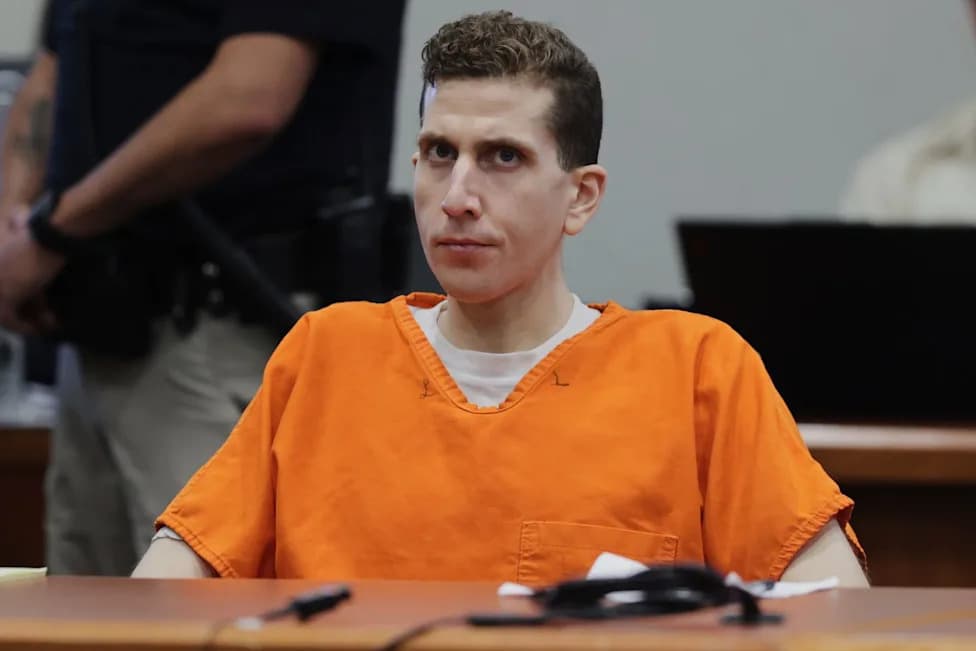
Bryan Kohberger appears at the Ada County Courthouse in Boise, Idaho for his sentencing hearing on July 23, 2025.Credit: Kyle Green-Pool/Getty
Overview
The Netflix docuseries The Idaho Murders: College Nightmare examines the investigation and the families' grief following the Nov. 13, 2022, slayings of four University of Idaho students. The series is comprehensive in many respects but omits or underplays several investigative, digital and personal details about the accused, Bryan Kohberger, that reporters and prosecutors have highlighted.
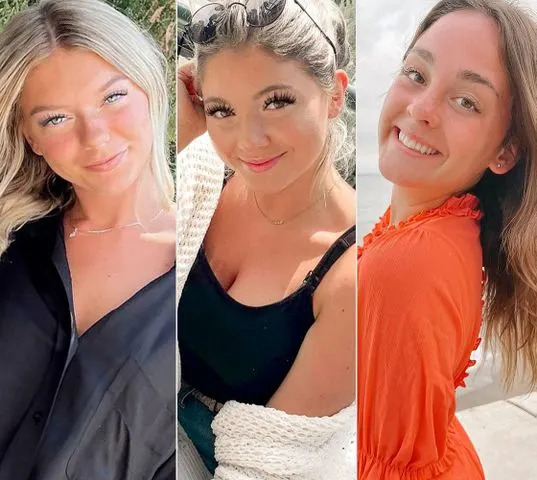
Madison Mogen, Kaylee Goncalves and Xana Kernodle.Credit: Maddie Mogen/Instagram; Kaylee Goncalves/Instagram; Xana Kernodle/Instagram
Key Background
In July 2025, Kohberger pleaded guilty to one count of burglary and four counts of first-degree murder, accepting a deal that spared him the death penalty and resulted in four life sentences without parole. Two days before the Netflix premiere on July 29, 2026, Kohberger publicly filed a petition seeking to withdraw his guilty plea and reopen the case.
Details Not Presented—or Understated—In The Series
Alleged Stalking And Pre-incident Concerns. One roommate told police that Kaylee Goncalves had said she felt followed in the weeks before the killings and had seen a dark figure while walking her dog about a month earlier. Multiple sources told investigators that Kohberger had been the subject of more than a dozen complaints at Washington State University, including specific allegations that two women accused him of stalking them at home and another accused him of following and harassing her at work.
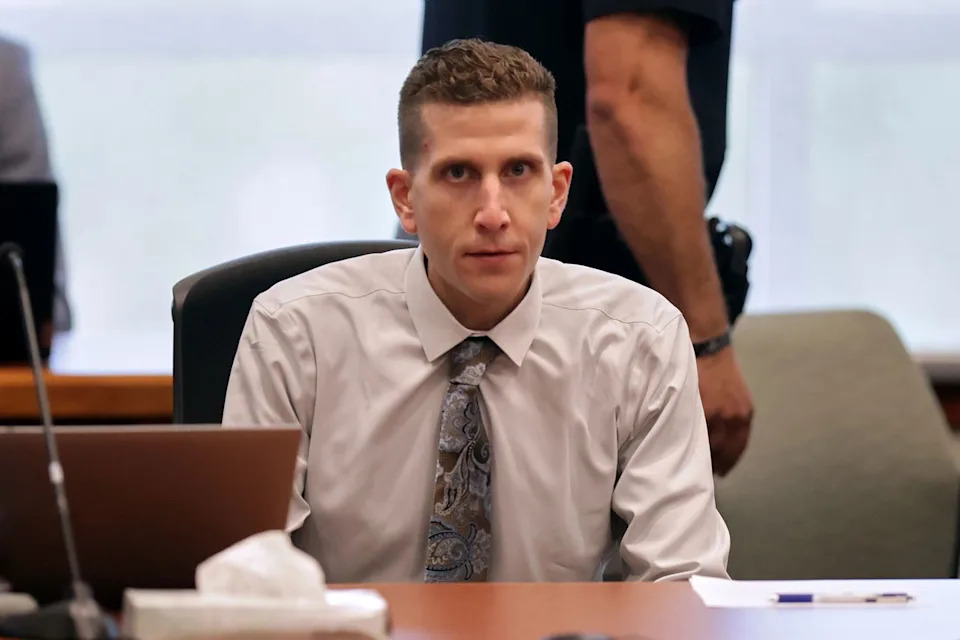
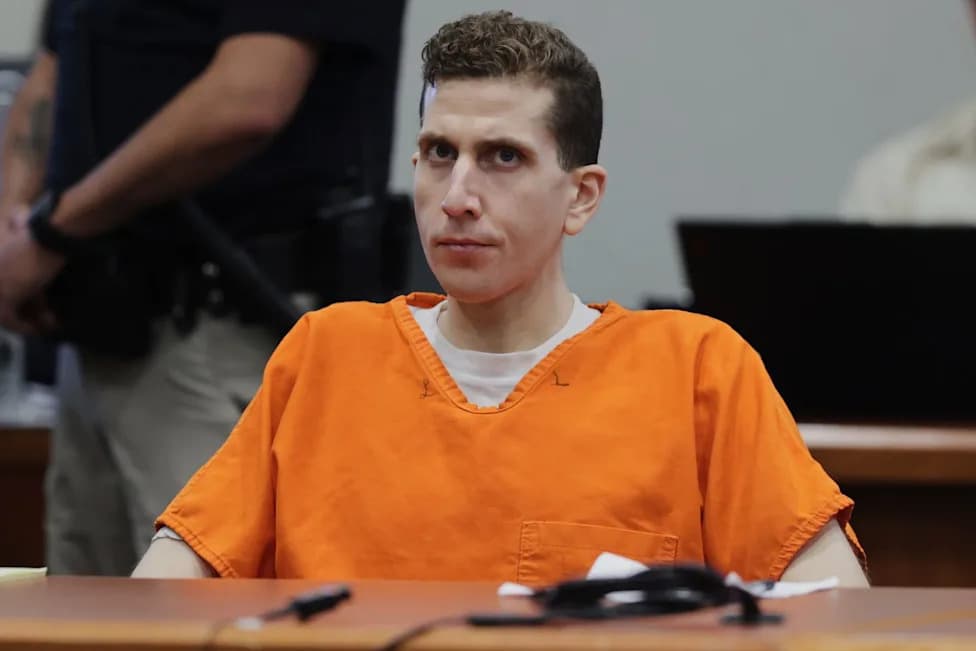
Bryan Kohberger at the Ada County Courthouse in Boise, Idaho on July 2, 2025.Credit: Kyle Green-Pool/Getty
Phone And Social-Media Evidence. The series notes Kohberger’s phone showed only a small number of contacts, but reporting indicates investigators found photos of at least one female victim on his device and that an account believed to belong to Kohberger followed multiple victims on Instagram. A source described this as evidence that he was paying attention to at least one victim prior to the murders.
Calls With His Mother On The Day Of The Killings. Digital-forensics reporting shows Kohberger called his mother multiple times the morning and afternoon of Nov. 13, 2022—calls that together lasted more than three hours. Investigators say those calls’ timing and duration are notable when mapped to his known movements that day.
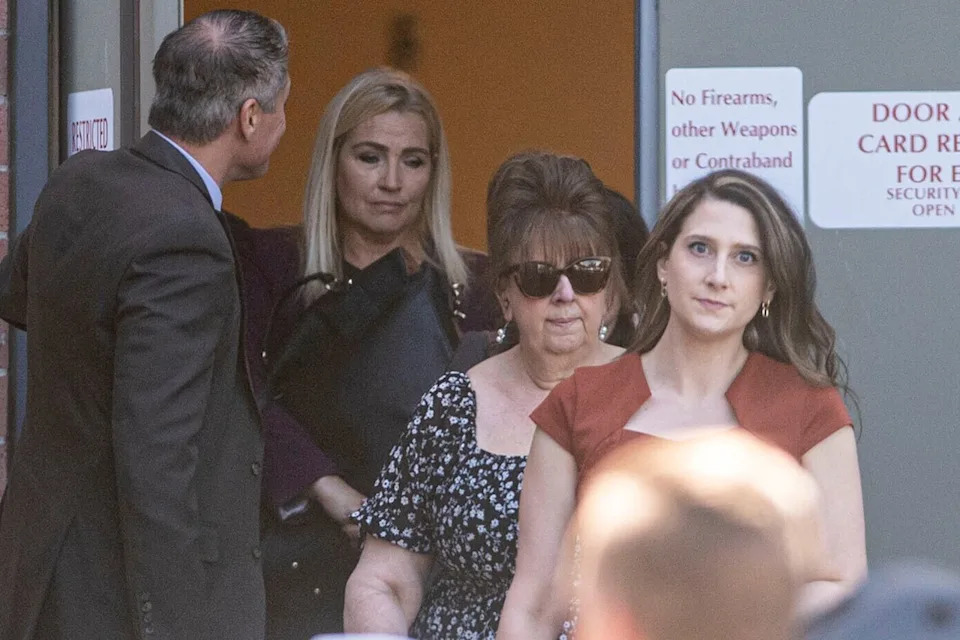
The Kohberger family leaves the Ada County Courthouse in Boise, Idaho on July 23, 2025.Credit: AP Photo/Drew Nash
Visits And Local Sightings. Prosecutors and witnesses say Kohberger visited the Mad Greek restaurant where two victims worked, reportedly ordering vegan pizza on at least two occasions. Phone and surveillance records place his phone in the neighborhood near the victims’ home multiple times in the weeks before the attack and suggest he may have been inside the house previously.
Physical Injuries And Behavior After The Killings. Several classmates reported noticing cuts on Kohberger’s hands in the days after the murders; he offered varying explanations for the injuries. Idaho State Police later said those wounds were consistent with a struggle. Surveillance footage also captured attempts to shop at a Costco hours after the killings (he was turned away for no membership), and DMV records show he changed his vehicle registration from Pennsylvania to Washington on Nov. 18, 2022.
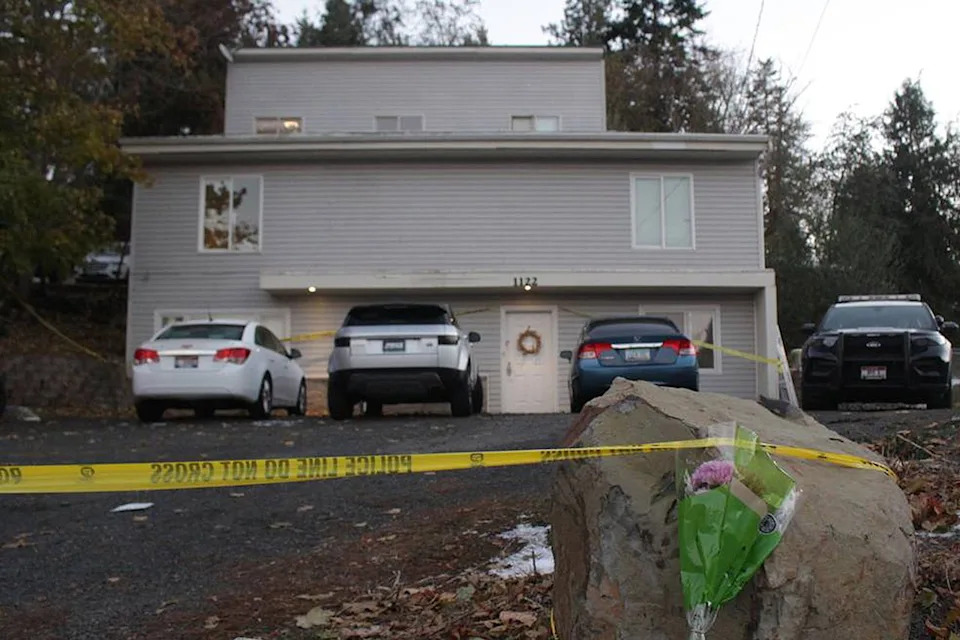
Off-campus house in Moscow, Idaho, where four University of Idaho students were killed in November 2022.Credit: Angela Palermo/Idaho Statesman/Tribune News Service via Getty
Digital Searches And Attempts To Obscure Tracks. While under surveillance in late December 2022, Kohberger’s search and download history reportedly included searches for 20 different serial killers (Dec. 25), as well as queries on Dec. 29 about Hyundai Elantras, auto-detailing and terms like “psychopaths paranoid” and “wiretapping.” Digital-forensics experts say he was skilled at scrubbing data but had not wiped his phone prior to his arrest on Dec. 30, 2022.
Mental-Health Disclosures. The series mentions visual snow syndrome but does not include diagnoses Kohberger listed in a June 2025 court filing: autism spectrum disorder (Level 1), attention deficit hyperactivity disorder (ADHD), obsessive-compulsive disorder (OCD) and avoidant/restrictive food intake disorder (ARFID). He also reported taking only levothyroxine for hypothyroidism.
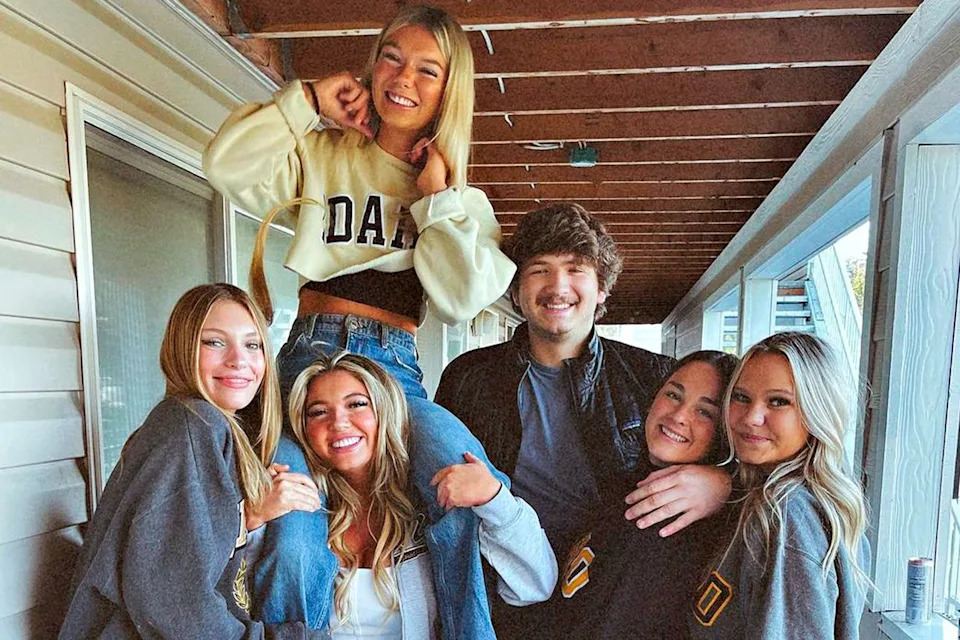
Dylan Mortensen, Kaylee Goncalves, Madison Mogen, Ethan Chapin, Xana Kernodle and Bethany Funke (l to r).
Alleged Pretrial Strategy. Court documents indicate that before accepting the plea deal, Kohberger planned to point blame at four other individuals—three people socially connected to the victims and one relative stranger. A judge later barred him from publicly naming those people as alternate suspects, noting they did not drive a vehicle matching the suspected killer’s car and lived within walking distance, which investigators said was not probative if the perpetrator drove to the scene.
What This Means For Viewers
The docuseries centers the investigation and the victims’ families, but viewers seeking a fuller understanding of the digital, behavioral and procedural evidence may find several details missing. Reported stalking allegations, the timing and length of calls with Kohberger’s mother on the day of the murders, phone photos, vehicle-registration changes, and specific search activity are among the items that add context to investigators’ conclusions—even if some of those items remain contested or framed as allegations.
Note on Reporting: The details summarized here are based on court filings, police reports and reporting by news outlets; some items remain allegations or were reported by sources close to the investigation. Legal processes and petitions to withdraw pleas can change case narratives over time.
Help us improve.