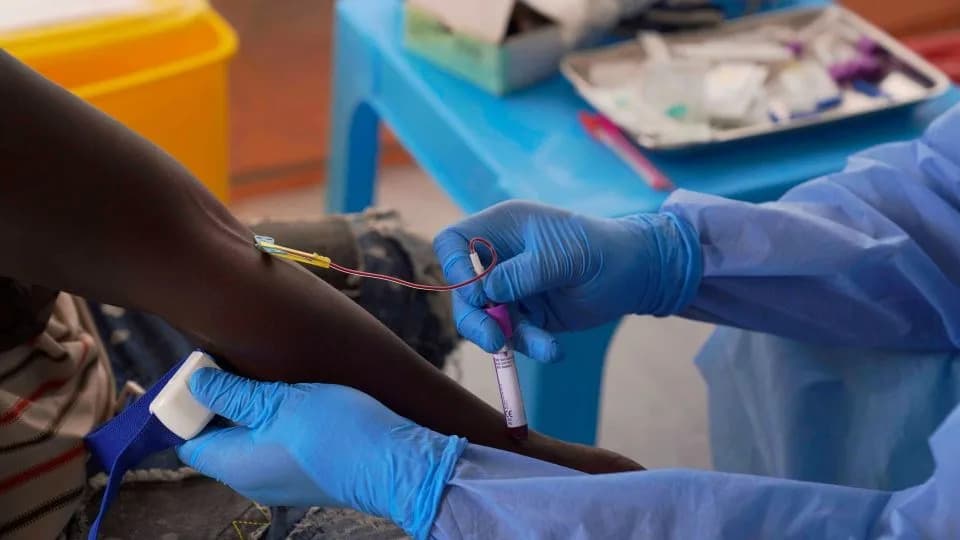
CEPI has pledged up to $8.5 million to accelerate a single-dose Bundibugyo Ebola vaccine developed by Hilleman Laboratories, a Merck–Wellcome partnership in Singapore. The candidate adapts the licensed Ervebo vaccine using an rVSV platform and is expected to be trial-ready in about 6.5 months, with capacity for 10,000 initial doses. CEPI is also funding Oxford, Moderna and other programs to secure multiple emergency-use options amid an outbreak that has infected over 3,300 people and caused nearly 1,500 deaths in the DRC.
Leading Bundibugyo Ebola Vaccine Candidate Gets $8.5M Boost as Researchers Race to Trials
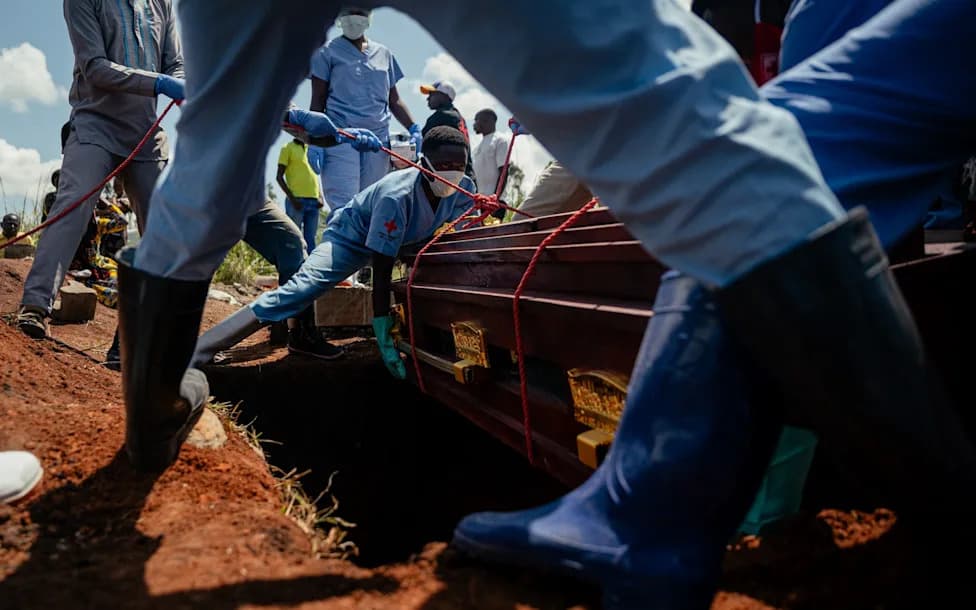
The current outbreak is on track to become the worst in the DRC's history - JOSPIN MWISHA/AFP via Getty Images
Researchers racing to develop a vaccine against the Bundibugyo Ebola variant driving a severe outbreak in the Democratic Republic of Congo (DRC) have received a major funding injection: up to $8.5 million from the Coalition for Epidemic Preparedness Innovations (CEPI) to accelerate the most promising single-dose candidate.
What Is Being Funded
The funding supports a Bundibugyo-adapted version of Ervebo being developed by Hilleman Laboratories, a partnership between Merck and the Wellcome philanthropic foundation based in Singapore. The candidate uses an rVSV (recombinant vesicular stomatitis virus) platform: a modified VSV presents the Bundibugyo antigen to the immune system, replacing the Zaire antigen used in the licensed Ervebo vaccine.
"The only part that is variable here is the starting material," said Dr Raman Rao, Chief Executive Officer of Hilleman Laboratories. "We've used the same process and mechanism [as Zaire Ebola] to make the product in manufacturing, including the formulation to make it stable."
Timeline, Stability and Manufacturing
Hilleman, working with partners including IAVI and SK Biologics, says it expects a fully manufactured, trial-ready candidate in about 6.5 months. The group is also developing a second-generation formulation of Ervebo that can be stored at 2–8°C, improving logistics compared with the original Ervebo requirement of around -70°C. Hilleman reports capacity to supply up to 10,000 doses for initial clinical testing from its ACES modular facility in Singapore.
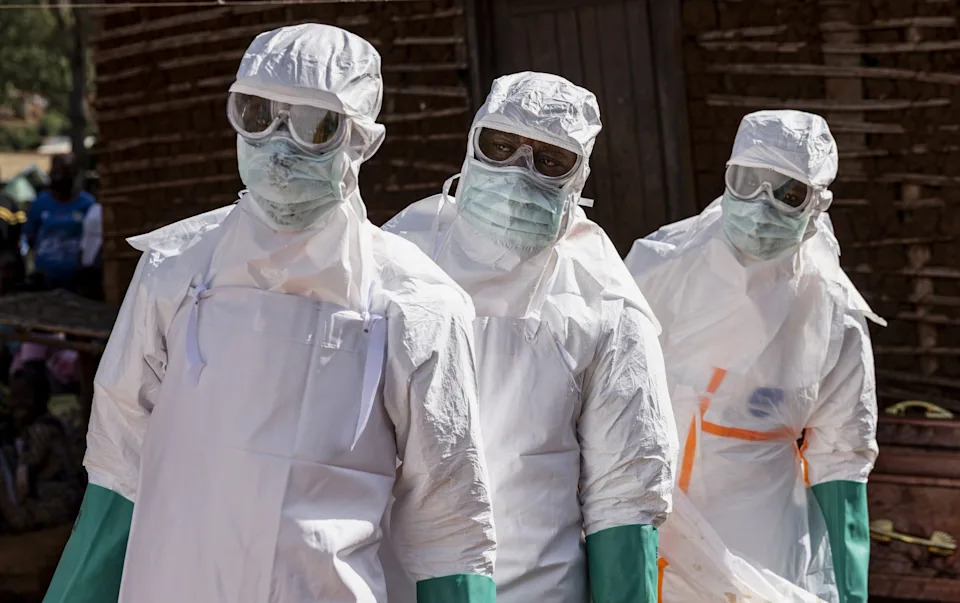
Health workers in PPE prepare to remove a deceased Ebola victim for safe burial in Mongbwaluon, DRC - Michel Lunanga/Getty Images
Other Candidates and CEPI's Role
CEPI is supporting multiple investigational vaccines against Bundibugyo. In addition to the Hilleman/Merck candidate, CEPI has pledged funding for an Oxford University ChAdOx1 vaccine (which has already entered human trials), up to $50 million for a Moderna program, and support for other developers. CEPI's stated goal is to bring at least two candidates to emergency use authorization while building a pipeline to protect against future Bundibugyo outbreaks.
"A vaccine is urgently needed to help bring this outbreak under control," said Dr Amadou Sall, CEPI's Executive Director for Process Development and Manufacturing. "An rVSV Bundibugyo vaccine holds promise because it builds on the safety data and regulatory experience associated with the licensed Zaire vaccine technology."
Outbreak Context and Challenges
Health authorities report at least 3,360 infections and 1,487 deaths in the DRC outbreak. Response efforts face substantial obstacles, including misinformation, community mistrust, ongoing conflict in affected regions, and strained resources. These factors make accelerated vaccine development and flexible cold-chain solutions especially important.
While timelines differ between candidates — the Oxford ChAdOx1 trial began dosing volunteers last week in the UK — experts say multiple parallel development tracks improve the chances of delivering safe, effective emergency-use options quickly.
Help us improve.