Ranchers in the Rocky Mountains are trucking water for hours after a record-low snowpack in the Upper Colorado River Basin dried springs, creeks and stock ponds. A new study says human-caused climate change made a snow drought like this about 14 times more likely. Producers are cutting herds, buying more hay, drilling costly wells and seeking USDA help, while experts warn repeated milder droughts can compound long-term impacts.
Colorado Ranchers Truck Water for Hours as Record-Low Snowpack Dries Ponds
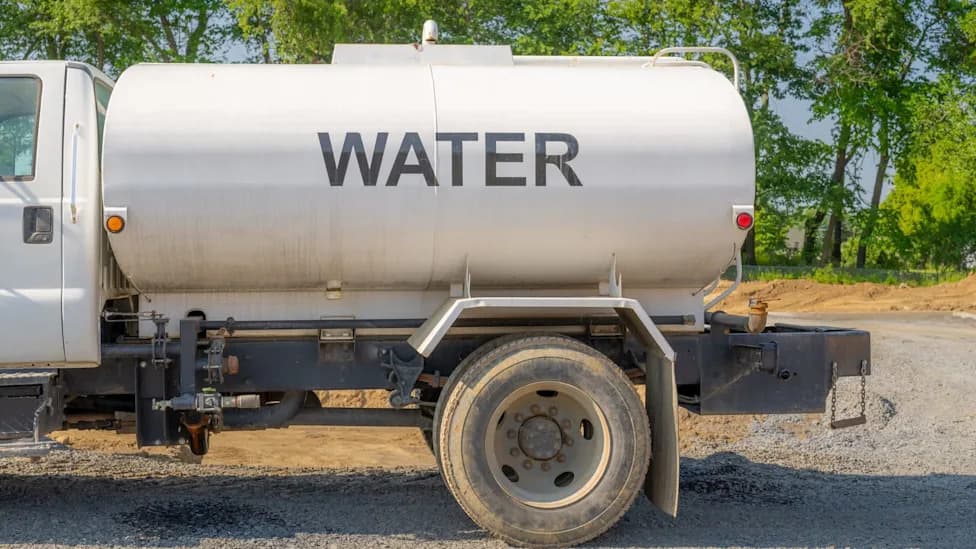
Photo Credit: iStock
Across the Rocky Mountains, ranchers are spending long, sweltering days trucking water to livestock after a record-low snowpack left springs, creeks and stock ponds dry.
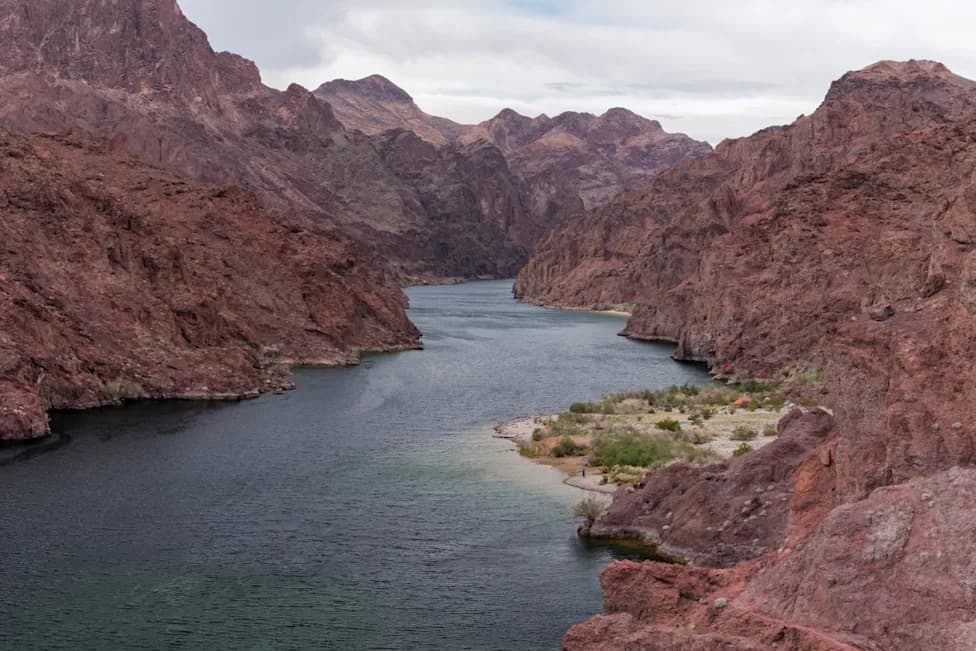
The Upper Colorado River Basin — which includes Colorado, Wyoming, Utah and New Mexico — recorded its lowest-measured snowpack this year, forcing producers to adapt quickly as traditional water sources fail.
Hard Choices and Long Hauls
Scott Snyder and his family operate Mex and Sons Ranch near Montrose, Colorado. The Associated Press reported Snyder recently made eight trips in three vehicles over more than nine hours just to deliver enough water for roughly one or two days to his herd of about 800 cow-calf pairs.
"It's just so much work. I hate dropping any of it," Snyder told the Associated Press.
Ranchers are responding by cutting herd sizes, buying extra hay, moving cattle to distant grazing, drilling wells and spending long hours trucking water across rugged terrain.
Climate Link and Expert Outlook
The AP cited a new study finding that human-caused climate change made a snow drought of this severity roughly 14 times more likely. Adrienne Marshall, assistant professor of geology at the Colorado School of Mines, told the AP there is some cautious optimism that an event this severe may not repeat immediately, but warned that repeated, milder droughts can accumulate and that the odds of extreme snow droughts will rise as greenhouse gas emissions continue.
Local Stories Highlight Strain
In Norwood, Colorado, state water commissioner Mark Ragsdale has been hauling water for his own 45 cow-calf pairs and fielding frequent calls from neighbors in search of water. In Utah, rancher Jeff Christensen is drilling two 500-foot wells to reduce trucking time — at an estimated cost approaching $20,000 per well — a risky investment if the wells do not yield water.
"I think they're dang close to 20 grand a well now. So if we don't hit water, we're in trouble," Christensen said.
Financial and Community Impacts
Beyond labor and time, the drought increases costs for feed and water transport. The U.S. Department of Agriculture may reimburse producers when drought pushes these costs above normal, and programs such as Utah's Grazing Improvement Program can help cover part of well expenses. Still, smaller operations and family ranches face heightened financial and emotional stress.
Hotter, drier conditions also raise wildfire risk, increase heat exposure for outdoor workers, and threaten broader community stability as local economies and services cope with the cascading effects of water shortages.
What Comes Next
Ranchers and experts agree that while a single extreme event may not immediately repeat, a warming climate raises the probability of future snow droughts and incremental impacts that can compound over time. Many producers will continue to weigh costly adaptations, federal assistance and long-term changes to grazing and herd management.
Help us improve.