Life expectancy has largely recovered worldwide, but four regions have seen sudden, severe drops driven by war, collapsed health systems and substance-use epidemics. Gaza’s life expectancy plunged from about 75.5 to 40.5 years for Oct 2023–Sep 2024, with violent deaths likely exceeding 100,000. Sudan and South Sudan face collapsing care and renewed conflict, while parts of Appalachia — led by West Virginia — continue to suffer from overdoses and chronic disease amid an uneven national recovery.
Where Longevity Collapsed: 4 Places That Saw Sudden Drops in Life Expectancy
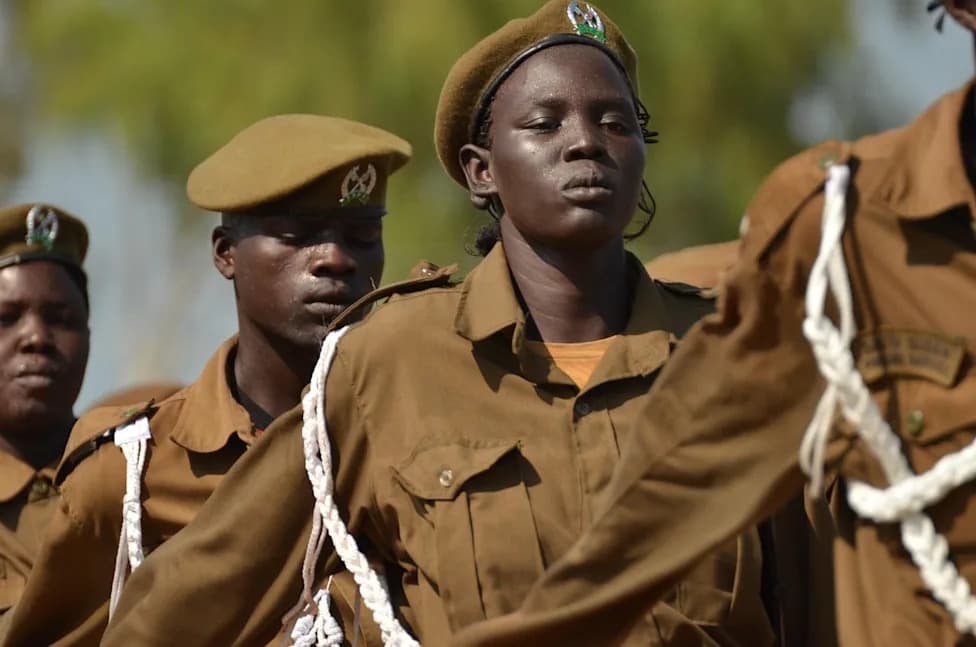
Image credits: Pixabay
Global life expectancy has largely rebounded since the worst of the COVID-19 pandemic, and some countries — including the United States — reached new highs in 2024. Yet a small number of places have experienced abrupt, dramatic falls in longevity driven by war, breakdowns in health care, and entrenched substance-use epidemics. Below is a region-by-region account of four areas where life expectancy has plunged and why researchers see these changes as historically unusual.
Gaza Strip
Most Extreme Drop: Before the current war, researchers estimated Gaza’s life expectancy at about 75.5 years. A Lancet analysis found that for the period October 2023–September 2024 it fell to roughly 40.5 years — a near-halving of expected lifespan, with the decline larger for men than for women.
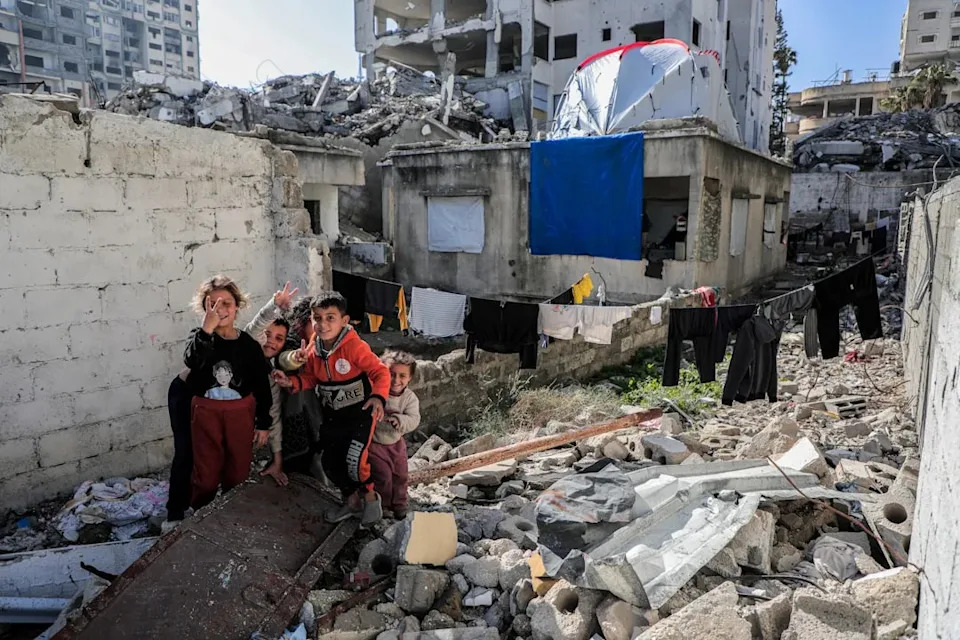
Gaza Strip (Image Credits: Unsplash)
Subsequent estimates suggest life expectancy fell by roughly 44% in 2023 and 47% in 2024 compared with a counterfactual no-war scenario, equivalent to losses of more than three decades of expected life. Updated tallies of violent deaths now exceed 100,000, and researchers warn these figures likely undercount indirect deaths from malnutrition, disrupted chronic care, and collapsing medical services.
Sudan
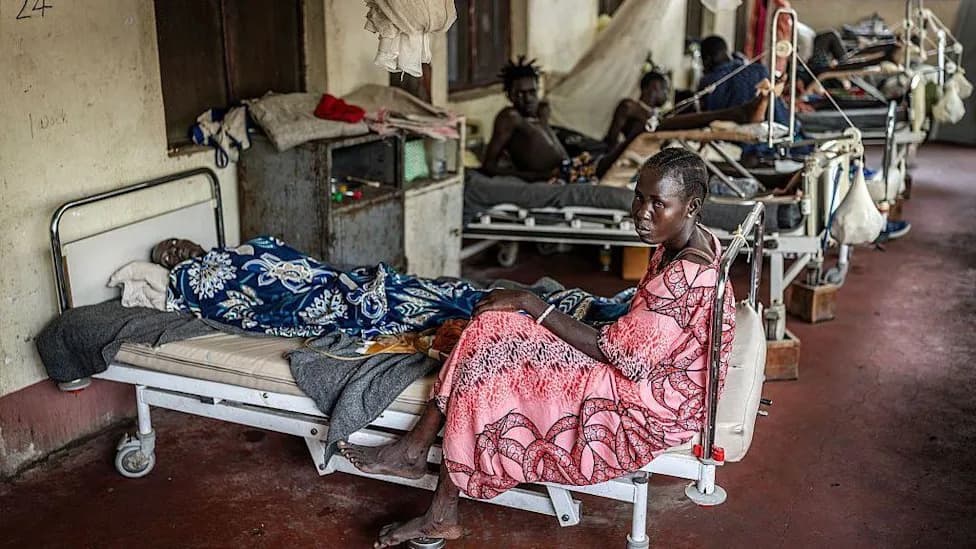
Health System in Freefall: The conflict that began in April 2023 has devastated Sudan’s health infrastructure. Hospitals have been bombed, looted or abandoned as staff flee, leaving many regions without functioning care. In Khartoum, more than a quarter of older adults reportedly lack access to their regular medications, increasing risks of complications and excess mortality.
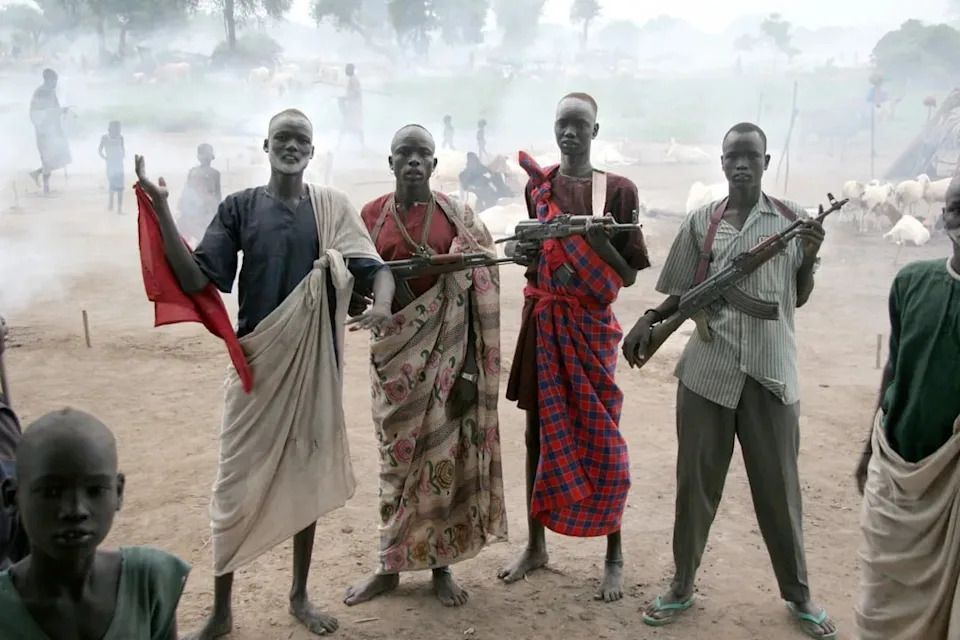
Sudan (Image Credits: Unsplash)
Shortages of medicines and supplies, attacks on health facilities, mass displacement and a worsening food crisis all point toward a prolonged demographic shock in the months and years ahead.
South Sudan
Stalled Progress: South Sudan’s situation is different but no less alarming. The World Bank places life expectancy at about 58 years — a level that has shown little improvement since independence in 2011. While many East African countries have made health gains, South Sudan has lagged.
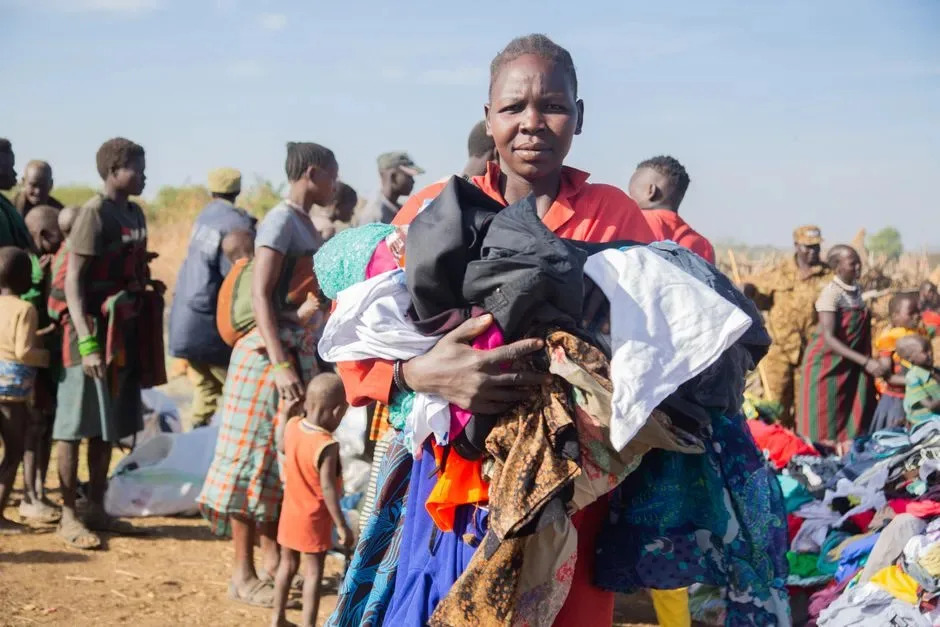
South Sudan (Image Credits: Pexels)
Despite receiving an estimated $1.4 billion in foreign aid in 2024 (the largest amount worldwide as a share of GDP), renewed fighting and growing humanitarian needs risk reversing fragile gains and deepening long-term health and mortality problems.
Appalachian United States (Centered on West Virginia)
Chronic Crisis Meets a Pandemic Shock: The U.S. picture is distinct: decades-long stagnation in parts of Appalachia and the rural South — driven by opioid overdoses, substance use disorders and chronic disease — turned into a sharp decline during the pandemic years. U.S. life expectancy fell by roughly 1.5 years between 2019 and 2021 as overdose deaths spiked alongside COVID mortality.

Appalachian United States, led by West Virginia (Image Credits: Pexels)
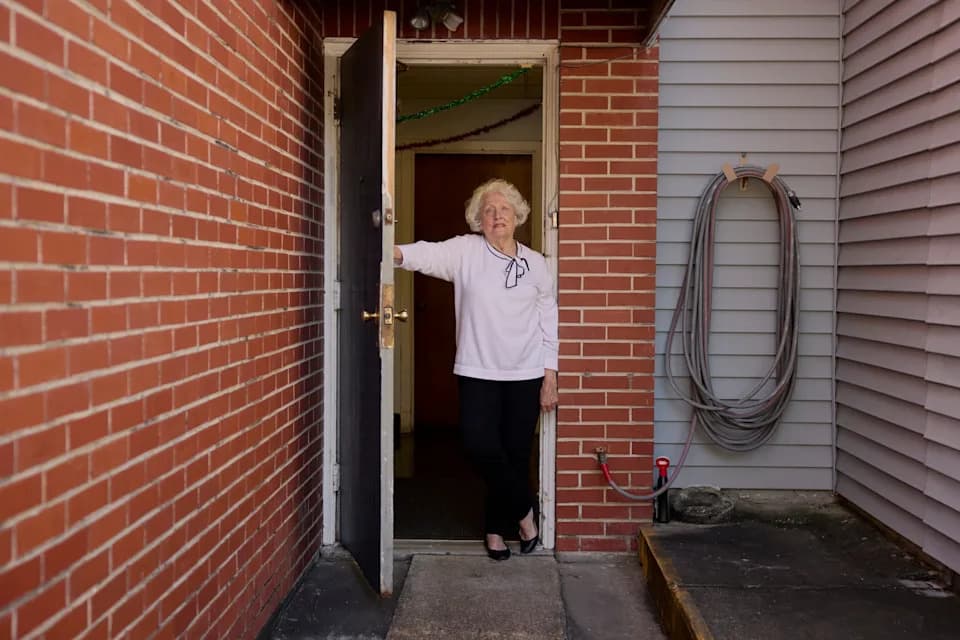
Although the national average has rebounded to roughly 77.5 years, recovery is uneven. More than half of U.S. states remain below that average, and the gap between the highest- and lowest-life-expectancy states is about 7.8 years, with Appalachian states frequently near the bottom.
What Ties These Cases Together
These four examples differ in geography and cause, but they share a common dynamic: a rapid, large-scale loss of access to food, safety and medical care. In Gaza and Sudan, armed conflict shredded services in months; in South Sudan, long-standing fragility has prevented gains; in Appalachia, a persistent substance-use and chronic-disease crisis left populations exposed when the pandemic struck. The dramatic falls in life expectancy are stark reminders that survivable threats become lethal when health systems and social supports collapse.
Help us improve.