
Overview: Cuba’s tourism industry is in crisis: Prime Minister Manuel Marrero says US sanctions and aviation fuel shortages have left about 73% of hotels closed and roughly 25,000 workers vulnerable. Seven international hotel chains—accounting for nearly half of branded rooms—have pulled out following US sanctions on GAESA and broader measures in July. Visitor numbers plunged to 360,000 in Jan–Jun 2026 (down 58% year-on-year) after a disastrous 2025 that drew 1.81 million tourists, far short of the 2.6 million target.
Cuba’s Tourism Nears ‘Almost Total Paralysis’ as Hotels Close and Chains Withdraw
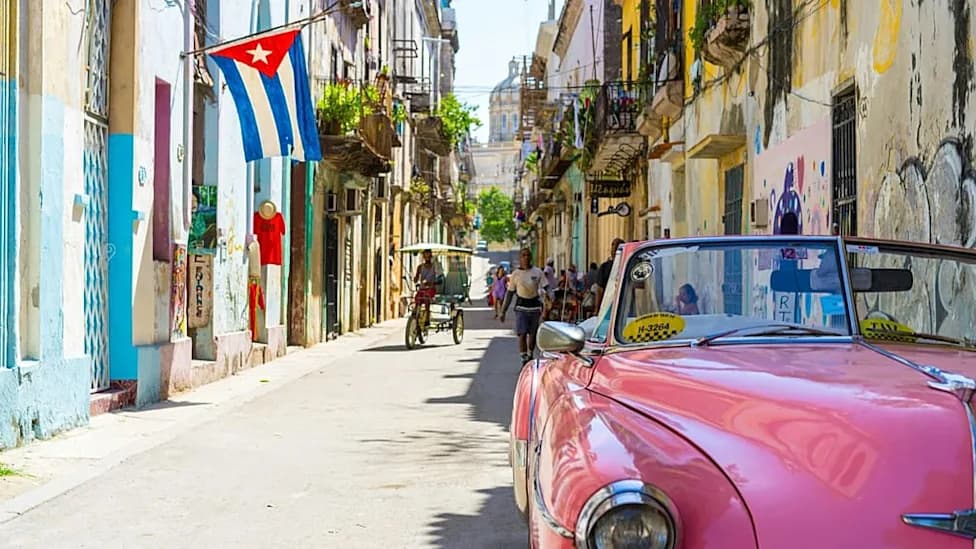
Cuba tourism crisis: An industry brought to ‘almost total paralysis’
Prime Minister Manuel Marrero warned that Cuba's tourism industry has been driven to "almost total paralysis" by a combination of US sanctions and chronic fuel shortages, leaving roughly three-quarters of hotels shuttered and thousands of hospitality workers at risk.
Scale of the Collapse
Marrero said that about 73% of the country's hotels are currently closed and roughly 25,000 hotel workers have been left "in a vulnerable situation." Before the crisis worsened this year, tourism was Cuba's second-largest source of foreign currency and directly employed more than 300,000 people.
International Pullout
For the first time officials disclosed that seven international hotel chains—responsible for approximately 46% of rooms managed under international brands—have ceased operations on the island. The departures follow a phased withdrawal that began last June and mark the end of more than three decades of dominant Spanish operator presence in Cuba's tourism sector.
Key corporate moves: Meliá Hotels International told Spain’s CNMV it would stop running its 34 Cuban hotels on 24 July. Iberostar and Barceló have also confirmed they no longer operate hotels in Cuba.
Drivers: Fuel, Flights and Sanctions
The crisis deepened after Havana announced an aviation fuel shortage in February; Canadian, Russian and European carriers subsequently suspended flights to the island. The situation accelerated when the US imposed sanctions in May on the military-controlled conglomerate GAESA. Washington widened those measures in July, prompting international operators to terminate management agreements to avoid potential penalties.
Visitor Collapse
Media outlet CiberCuba described the 2026 decline as "severe": between January and June 2026 Cuba received just 360,000 international visitors, a 58% drop compared with the same period a year earlier. That fall followed what officials called an "already catastrophic 2025," when Cuba received 1.81 million tourists—the lowest total since 2002 and well below the official 2.6 million target.
The combined impact of reduced air connectivity, corporate withdrawals and domestic fuel constraints has left Cuba’s tourism sector facing a deep and immediate economic shock with significant social implications for workers and communities reliant on visitor income.
Help us improve.





















