The Defence University Alliance (DUA), supported by £182m and 35 founding universities, includes members that maintain academic ties with Chinese institutions linked to the military. Queen Mary University of London partners with BUPT, which UKCT says has been involved in classified PLA underwater projects and broader defence work, producing more than 9,600 dual‑degree graduates. UKCT found seven DUA founders with Chinese partnerships (four with apparent military links); the University of Glasgow's link to UESTC connects it to a contractor blacklisted by the US. Intelligence chiefs warn hostile states target sensitive UK research, and experts call for stronger, institution‑level safeguards.
Investigation: UK Defence University Partner Linked To Chinese Military Research

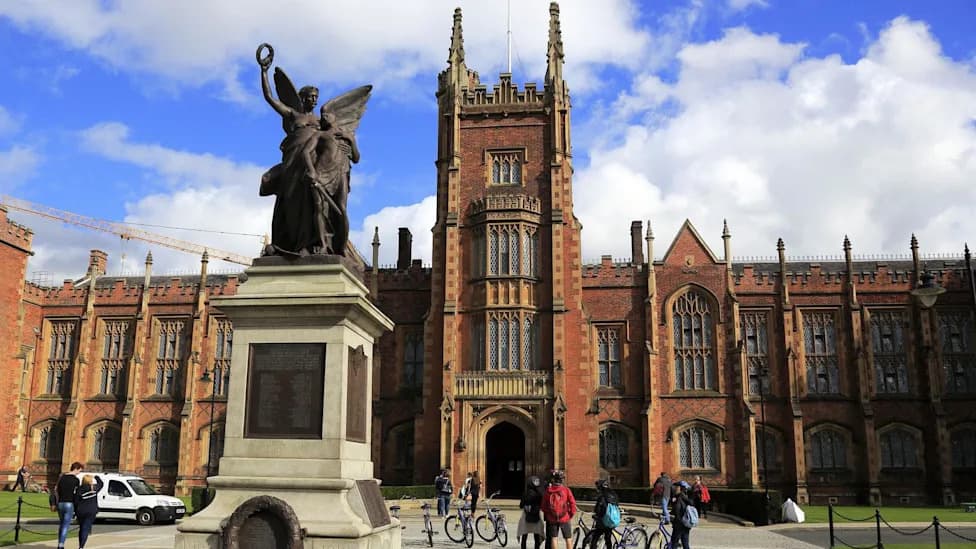
Queen Mary University of London and the Chinese flag
Queen Mary University of London, a founding member of the UK Government's Defence University Alliance (DUA), maintains a long‑standing partnership with the Beijing University of Posts and Telecommunications (BUPT), an institution that campaigners and experts say has been involved in classified underwater projects for China's People's Liberation Army (PLA).
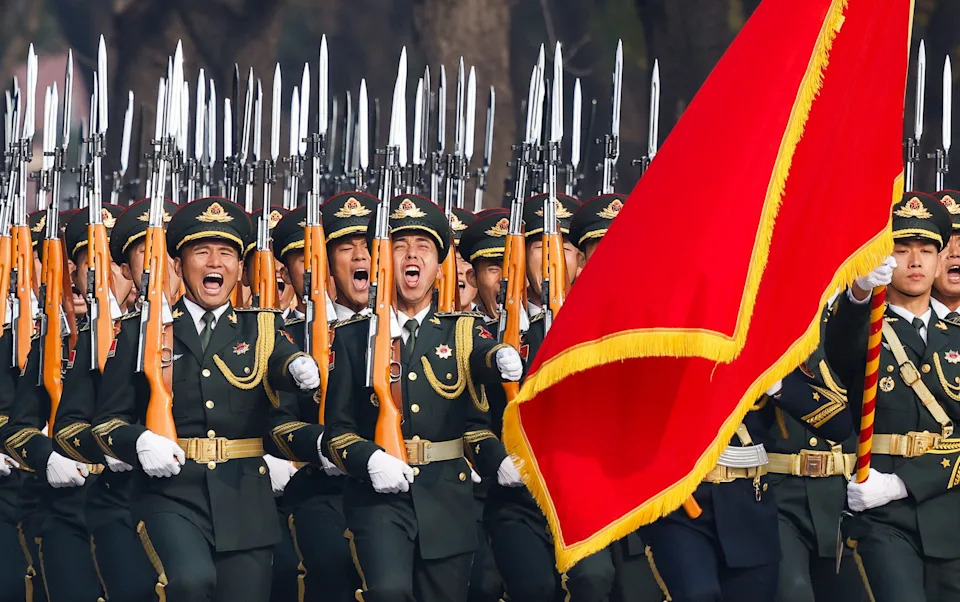
The People's Liberation Army has ties with several universities in China, some of which have links with UK universities - Getty
The DUA — backed by a £182m government investment and comprising 35 founding universities — was set up to strengthen domestic defence research and channel graduates into roles in cyber, robotics and artificial intelligence. An investigation by UK‑China Transparency (UKCT) and reporting by The Telegraph found that several DUA members retain academic ties with Chinese institutions that have documented connections to Beijing's military and defence research programmes.

Queen Mary University of London is part of the Government's Defence University Alliance, which is backed by a £182m investment
Key Findings
UKCT's analysis identified seven DUA founding universities with active partnerships in China; four of the Chinese partner institutions appear to have explicit links to the Chinese military establishment. One of the most extensive collaborations is the Queen Mary–BUPT programme, which has produced more than 9,600 dual‑degree graduates.
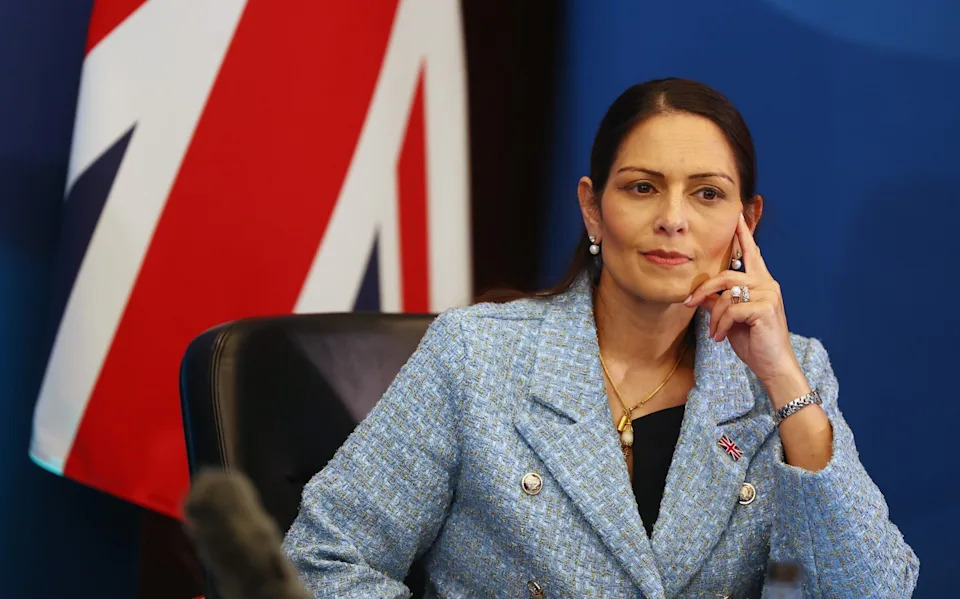
Priti Patel has accused the Labour government of failing to address the threat from China - Getty
The report indicates that some staff involved in the Queen Mary–BUPT collaboration are simultaneously engaged in defence‑related work at BUPT. Other faculties at BUPT reportedly receive military funding, maintain affiliations with defence bodies and have ties to the Ministry of State Security.

Beijing University of Posts and Telecommunications is known to work with and receive funding from the Chinese military
Other Partnerships Of Concern
The University of Glasgow has a longstanding partnership with the University of Electronic Science and Technology of China (UESTC). UKCT and other observers say UESTC has functioned as a recruiting ground for China Electronics Technology Group Corporation (CETC), a state‑owned contractor that the US blacklisted in 2021 over alleged human rights abuses in Xinjiang.

Official Warnings And Responses
British intelligence chiefs have repeatedly warned universities about foreign targeting of sensitive research. In May, Anne Keast‑Butler, director of GCHQ, described China as a "tech superpower with sophisticated cyber, intelligence and military capabilities." Earlier in 2024, MI5 director‑general Ken McCallum warned vice‑chancellors that hostile states were actively seeking access to UK research to strengthen their militaries and undermine national security.
"We will never compromise on our national security, and research security has been built into the Defence Universities Alliance from the outset," an MoD spokesman said, adding that universities must comply with the UK's security policies and guidance from intelligence agencies.
Both Queen Mary and the University of Glasgow were asked to comment and declined. The reporting does not suggest either university has shared classified British material with Chinese partners.
Calls For Stronger Safeguards
Experts and campaigners say the UK’s current research security framework has not kept pace with the scale of academic collaborations. Eugenio Benincasa, author of the UKCT report, said the risks were "systemic, not incidental," and urged a coherent, institution‑level response. Shadow Cabinet figures have echoed those concerns: Priti Patel called for "robust safeguards" against espionage, while shadow defence whip David Reed warned that universities in the DUA should not collaborate with institutions linked to an adversarial state's military.
The Ministry of Defence has asked all DUA members to ensure proper governance, due diligence and oversight of international partnerships and reminded them of intelligence guidance designed to protect sensitive research from foreign interference.
Context: The story sits at the intersection of academic openness, international collaboration and national security. It raises questions about how universities should balance the benefits of global research partnerships with the need to protect sensitive defence‑related work.
Help us improve.