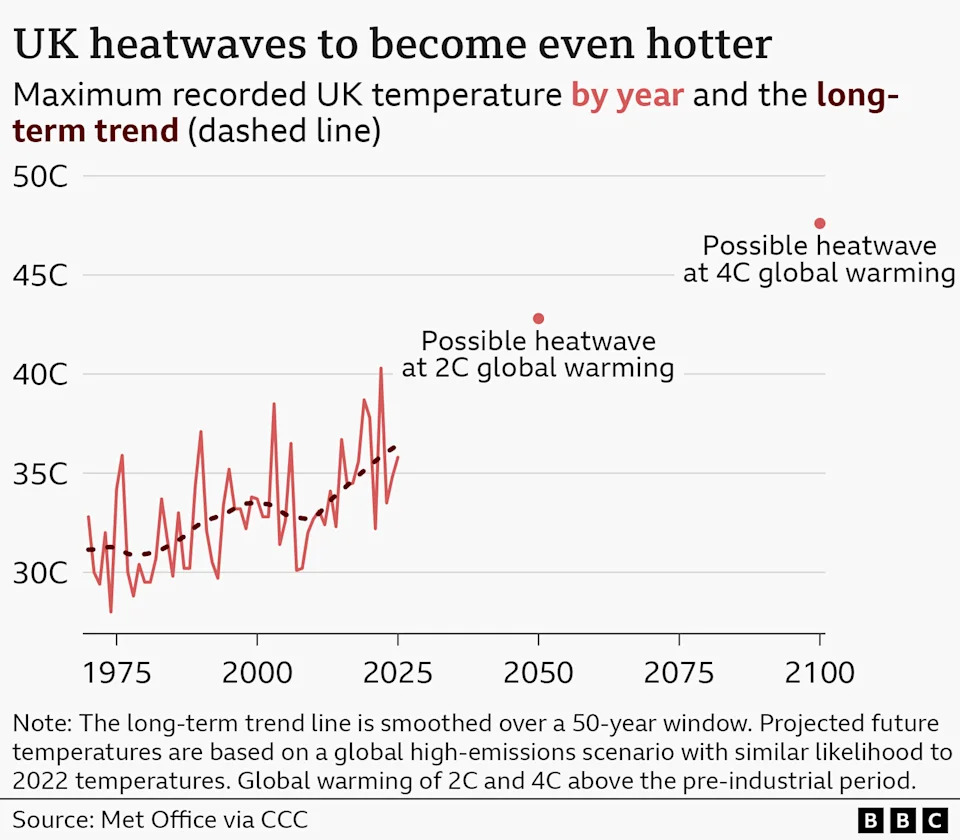
The UK’s intensifying heatwaves are forcing a rethink about air conditioning and passive cooling — especially for vulnerable social housing residents. Urban heat islands can raise night-time temperatures by up to 7°C and were estimated to account for about half of 130 heat-related deaths in a West Midlands study. Policy and funding have favoured emissions cuts over adaptation, but experts now urge a hierarchy: passive measures first, targeted mechanical cooling for the most vulnerable, and clean power to avoid worsening neighbourhood heat and grid strain.
UK Heatwaves Are Rewriting The Air‑Conditioning Debate — Who Pays to Keep Cool?
[BBC]
Mandy Bourne shares a top-floor social housing flat in the West Midlands with her 80-year-old mother. Both suffer from chronic conditions made worse by recent heatwaves: "I've got COPD and sometimes I can't breathe," Mandy says, describing temperature swings that trigger flare-ups.
The Problem: Heat Trapped In Solid-Build Homes
Many British homes — particularly older, solid-brick top-floor flats — soak up daytime heat and radiate it back into rooms long after sunset. That retained warmth contributes to urban heat islands, which can raise night-time temperatures in cities by as much as 7°C above neighbouring countryside and make the early hours particularly dangerous for vulnerable people. Researchers at the University of Birmingham modelled a West Midlands heatwave and estimated the urban heat island effect accounted for roughly half of 130 heat-related deaths in that event.
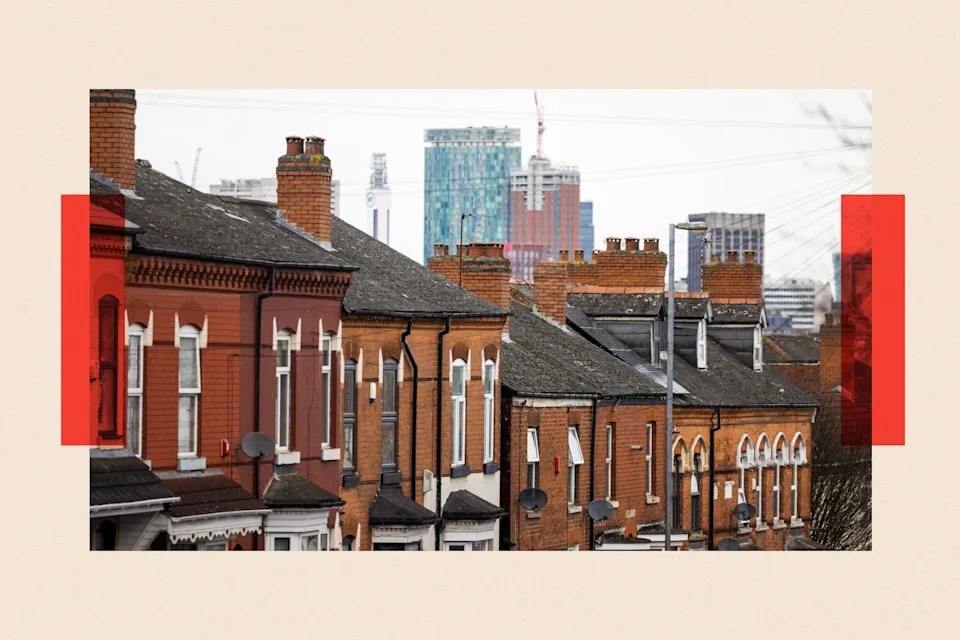
Many homes are built to radiate warmth back into rooms [Bloomberg via Getty Images]
Policy And Funding: Mitigation Versus Adaptation
For decades, wealthier countries prioritised mitigation — cutting greenhouse-gas emissions — over adaptation measures that help people cope with a warmer climate. That focus shows in spending: in 2023, roughly $1.8 trillion went to mitigation while adaptation received about $65 billion worldwide. The imbalance is reflected in UK law too: the Climate Change Act mandates legally binding carbon budgets, while adaptation lacks similarly enforceable targets.
The Growing Local Response
Walsall Housing Group (whg), which manages around 23,000 homes, has seen rising complaints about overheating. Last summer residents at Ellum Pointe, a scheme for over-55s, could not cool their flats; the association converted a sealed community room into a temporary "cool room" with a mobile air‑conditioning unit. Jo Shields, whg's head of sustainability, says she now has to balance decarbonisation goals with the urgent need to adapt homes for heat.
[BBC]
The Debate Over Air Conditioning
Only about 5% of English homes currently have mechanical cooling. The Climate Change Committee (CCC) recommends installing cooling in hospitals and care homes within 10 years and in schools within 25 years — a notable shift from long-standing advice that favoured passive measures such as shading and natural ventilation.
“The heat gain stays within the concrete or the brick, so the night-time cooling becomes harder,”
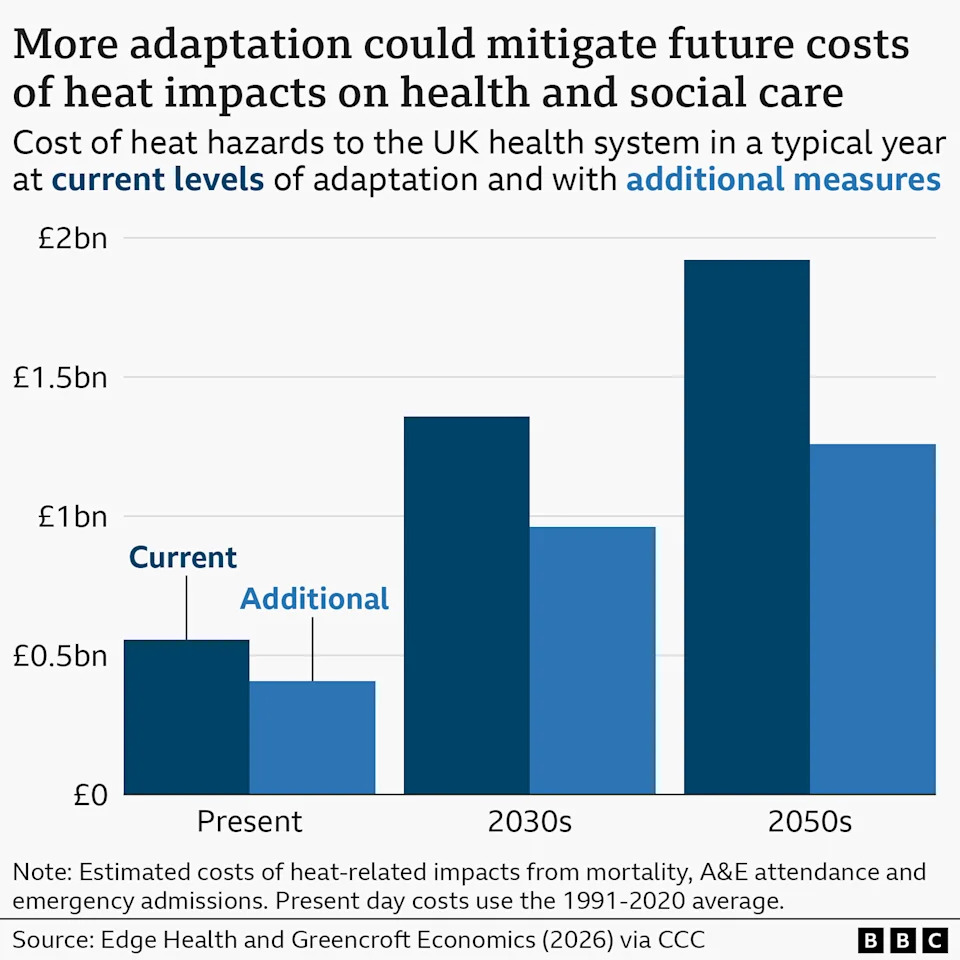
Experts such as Professor Mat Santamouris argue machines should be the last resort: targeted passive interventions — reflective roofs, shading, improved ventilation, fans — can cut indoor temperatures dramatically at far lower cost. "We cannot air-condition our way out of climate change," Santamouris warns, noting powerful commercial incentives pushing air-con uptake.
[BBC]
Equity, Grants And The Real-World Gap
Government support is partial and inconsistent. The Boiler Upgrade Scheme in England and Wales offers £2,500 toward an air-to-air reversible heat pump (a system that cools in summer and heats in winter), but social housing and newbuilds are excluded. Scotland and Northern Ireland have different arrangements, and uptake of the reversible option has been tiny. That exclusion leaves vulnerable tenants — exactly those at greatest risk from overheating — without access to the most affordable grants.
In Woolwich, south-east London, residents of top-floor flats report temperatures reaching 43°C during heatwaves and are taking their housing association to court, arguing their homes are unfit to live in. Baroness Brown's committee reports the most deprived neighbourhoods are far more likely to be exposed to dangerous heat.

Keisha says her top-floor flat reaches 43C in a heatwave [BBC]
Systemic Costs: Streets, Grids And A Thermal Divide
Air conditioners move heat from inside homes into the street. Studies show widespread mechanical cooling can raise neighbourhood temperatures and increase overall cooling demand — worsening nights for those without cooling and deepening a thermal divide. Cooling demand also peaks on still, hot evenings when wind output drops and solar generation wanes, placing extra strain on the grid and often forcing gas generation to fill the gap. Heat can also reduce turbine efficiency, lowering supply when demand is highest.
Expert Recommendations
Most experts and the CCC converge on a layered approach: prioritise passive cooling (shade, insulation that reduces heat retention, reflective roofs, ventilation and fans), install mechanical cooling only where genuinely needed (hospitals, care homes, the most vulnerable homes), and ensure that any expanded cooling runs on low‑carbon electricity. Targeted support for the most at-risk households and better legal backing for adaptation measures could prevent many heat-related harms.
A Personal Note
Mandy is grateful for the temporary cool room at Ellum Pointe: "We sit there all day with it on, it helps so much I want one in my flat." For housing managers like Jo Shields the stakes are stark: "It's our survival," she says — a sentiment that sums up the urgent policy, equity and technical choices facing the UK as heatwaves intensify.
Top picture credit: Getty Images
Help us improve.