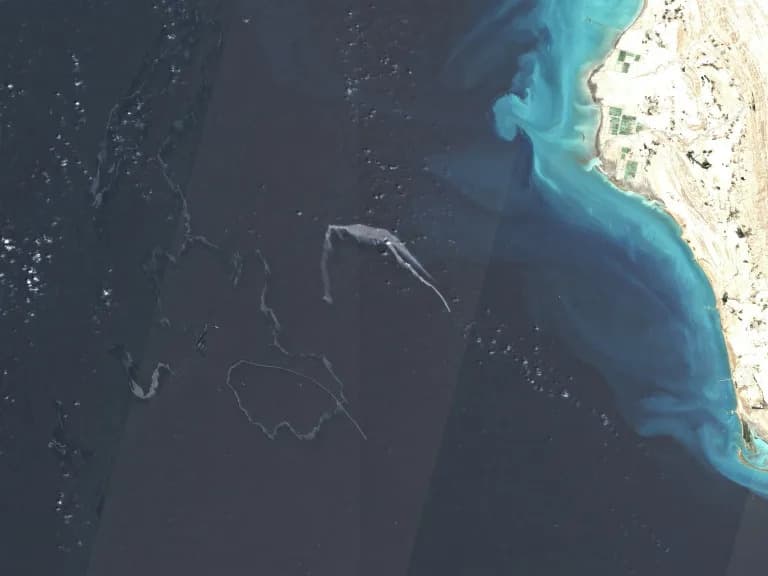
More than 1,500 ships stalled near the Strait of Hormuz are increasing the risk that biofouling will turn a local shipping backlog into a global pathway for invasive marine species. Organisms that accumulate on idle hulls — from microbes and algae to barnacles and mussels — may survive long voyages because they are adapted to warm, salty conditions. Experts warn invasions can cause lasting ecological damage and costly impacts to fisheries, aquaculture and port infrastructure, and they recommend improved in-water cleaning, vacuum capture systems, and stronger international rules.
Maritime Traffic Jam at Strait of Hormuz Could Turn 1,500 Idle Ships into Vectors for Invasive Species
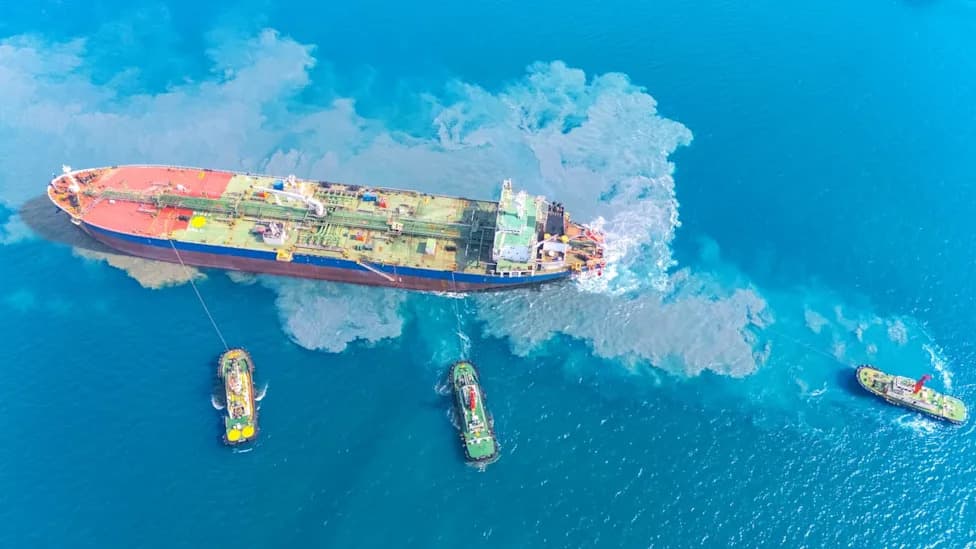
Photo Credit: iStock
More than 1,500 vessels stalled near the Strait of Hormuz and several hundred more anchored in the Gulf of Oman are raising alarms among marine scientists. Researchers warn that prolonged idling can allow marine life to accumulate on ship hulls — a process known as biofouling — and that when these ships resume their voyages, attached organisms could be transported to distant ports and coastal ecosystems around the world.
How Biofouling Becomes a Global Threat
Biofouling begins with microorganisms and algae and can progress to larger organisms such as barnacles, mussels and other invertebrates. According to Mario Tamburri, a marine ecologist at the University of Maryland’s Center for Environmental Science and the study’s lead author, extended delays give this growth time to accumulate and reproduce on hulls. Because many organisms from the Persian Gulf tolerate high temperatures and salinity, they may be unusually well equipped to survive long sea voyages and establish in similar climates elsewhere.
"If you can survive high temperatures, high salinities, you can probably survive long ship voyages," Tamburri said.
Ecological And Economic Consequences
When non-native species become established, they are often costly and difficult to eradicate because they typically lack natural predators in their new environments. Invasive marine species can permanently alter ecosystems and damage fisheries, aquaculture, port infrastructure and other coastal industries. Tamburri pointed to zebra mussels—a historic example of an aquatic invader that caused long-term ecological and economic harm after spreading in the Great Lakes.
The human toll can include higher cleanup and maintenance costs, disrupted fishing and aquaculture operations, clogged intake systems, and infrastructure damage at industrial ports. Disturbed or degraded habitats can also make it easier for fast-growing invaders to gain a foothold.
Prevention And Policy Options
Prevention is the most effective defense. Many ports already offer in-water hull cleaning, where divers remove biofouling before a vessel departs. Experts recommend improving these services by using vacuum-style capture systems to collect removed organisms rather than releasing them back into the water, reducing the chance that live material will reattach to other ships or be carried into local ecosystems.
Stronger regulation could reduce risks at a larger scale. New Zealand requires vessels entering its waters to have clean hulls, and the International Maritime Organization has been advocating for tougher international biofouling standards. Tamburri and other ecologists urge ship operators and port authorities to prioritize pre-departure hull cleaning and to adopt containment technologies where feasible.
What Comes Next
Every additional day vessels remain stalled raises the odds that durable marine organisms will spread to distant habitats. As global trade routes resume, coordinated action by shipping companies, ports and regulators will be critical to limiting the unintentional transfer of invasive species and protecting both marine ecosystems and the coastal communities that depend on them.
Help us improve.