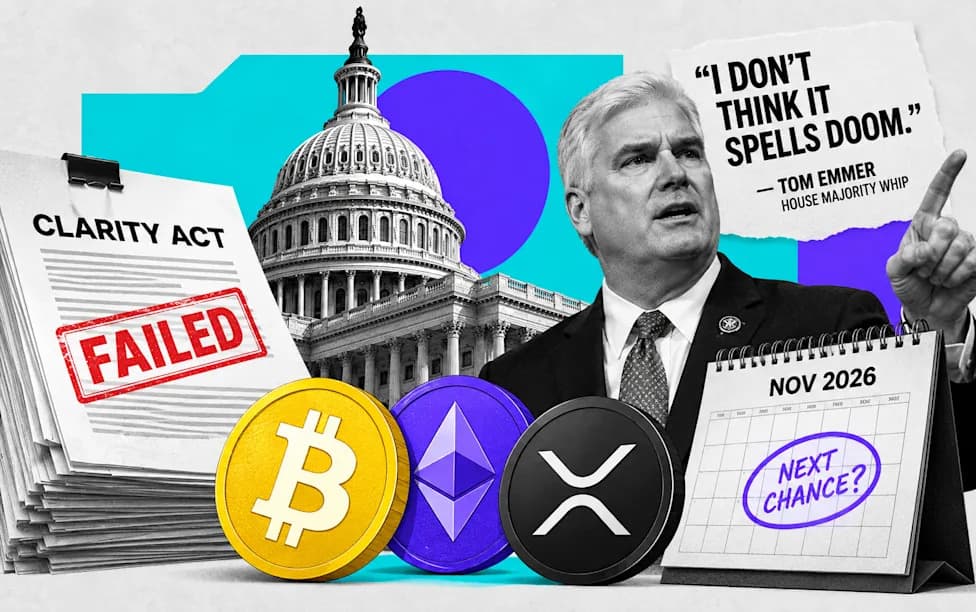
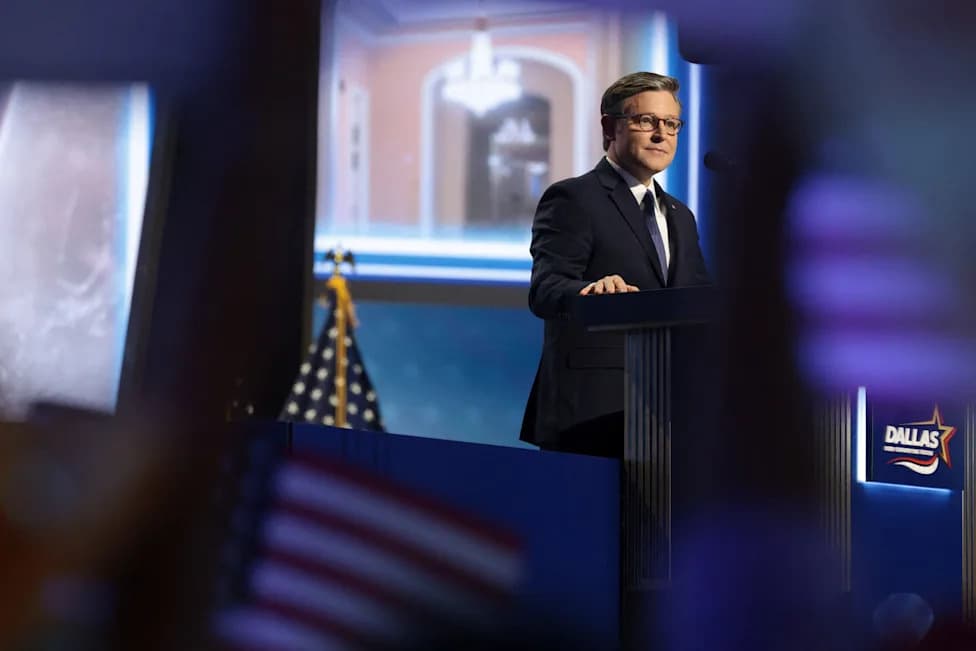
Senate negotiations over a major crypto regulatory bill have stalled, placing Fairshake’s nearly $140 million political war chest in limbo with the midterms approaching. Lawmakers are split over illicit-finance rules, stablecoin oversight, and ethics provisions that would govern officials’ crypto holdings. With only days before the recess, negotiators question whether to force a procedural vote that could fail, leaving campaign spending plans uncertain and more contentious before November.
Senate Deadlock Puts Crypto’s $140M Midterm War Chest At Risk
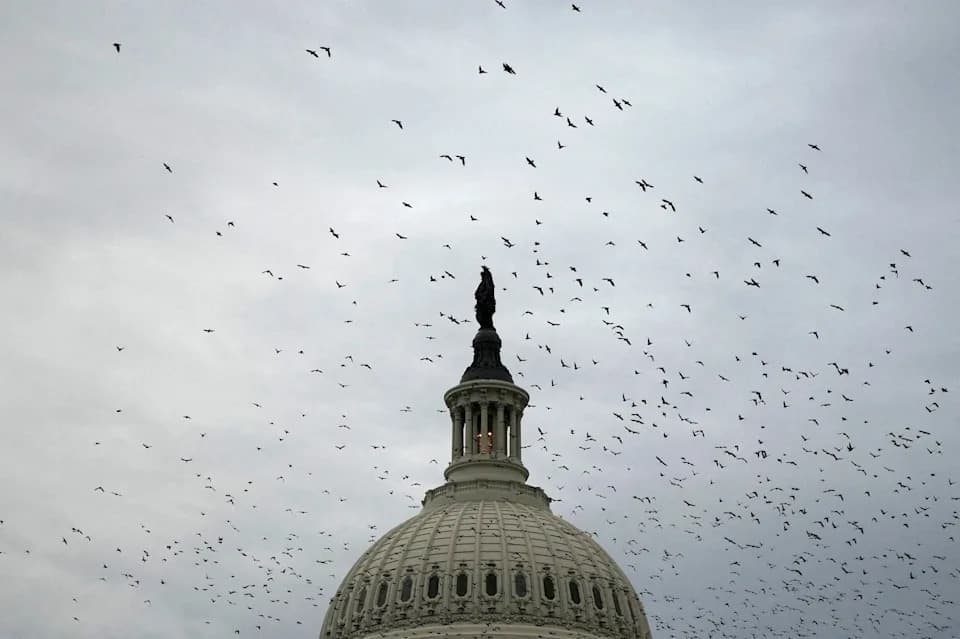
Crypto, and its cash, gets snarled in the Senate
Cryptocurrency firms and their political networks face growing uncertainty as Senate negotiators remain deadlocked over a sweeping crypto regulatory bill with just days before the congressional summer recess. The delay imperils Fairshake — the industry’s primary super PAC network — and its roughly $140 million political war chest, which had been poised to influence midterm races depending on a Senate vote.
What’s At Stake
Backers including major exchanges and crypto firms had hoped a Senate vote would clarify whether industry funds would flow exclusively to Republicans or be shared across parties. Industry operatives expected at minimum a procedural vote; Democrats warn that a failed initial vote could scuttle any path to a bipartisan compromise.
Major Sticking Points
The latest bill would split regulatory authority between the SEC and the CFTC, but negotiators remain sharply divided on three core issues:
- Illicit-Finance Safeguards: Democrats and some Republicans say the draft lacks robust anti-money-laundering measures.
- Stablecoin Oversight and Yield Structures: Lawmakers are concerned about how yields tied to stablecoins would be regulated.
- Ethics Provisions: Provisions governing how members of Congress and the president (and their families) may profit from crypto holdings have proved the single largest hurdle.
Political Roadblocks
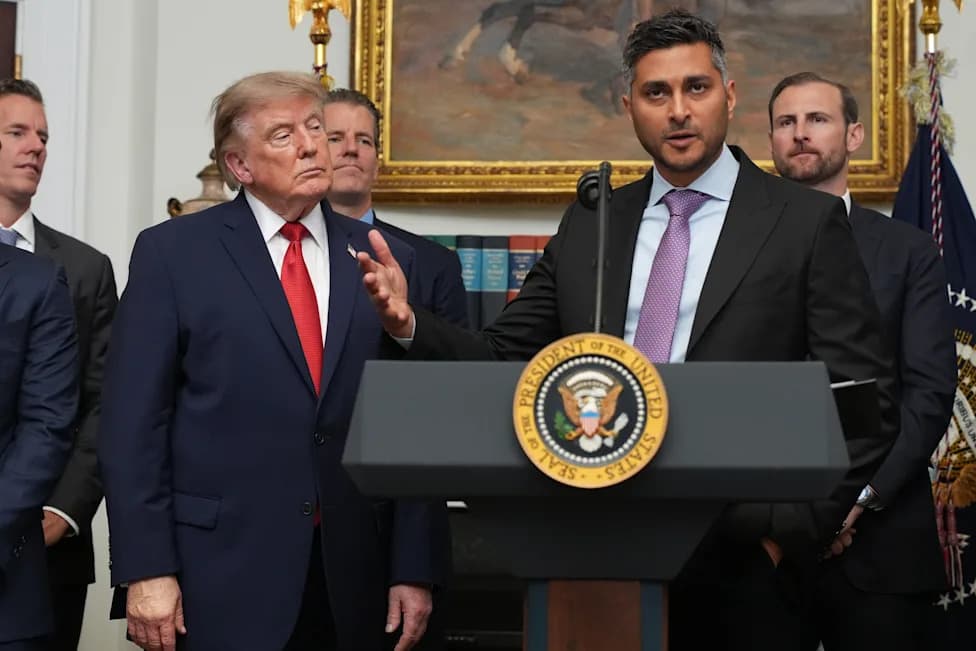
Negotiations have been further complicated by partisan disagreements and the White House’s red lines on enforcement — notably resistance to expanded authority for state attorneys general. Some industry allies accuse Senate Minority Leader Chuck Schumer of delaying action to limit crypto’s election influence; Democratic leaders counter that rushing a vote that would fail is strategically counterproductive.
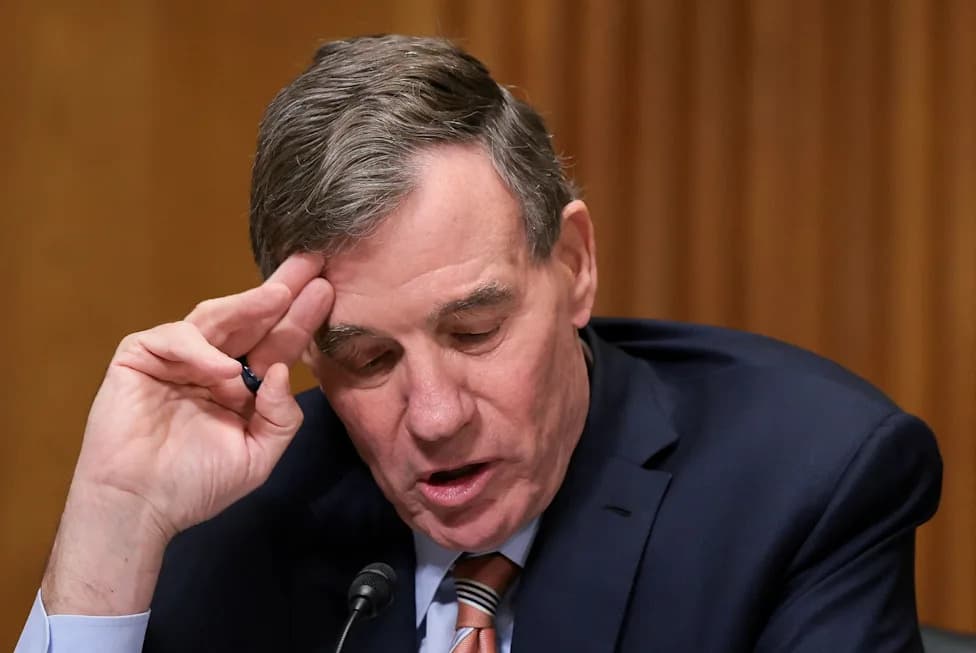
“Forcing [a] vote that would fail makes no sense,” Sen. Mark Warner (D-Va.) said, while Sen. Cynthia Lummis (R-Wyo.) urged swift action: “We need to get it done.”
Campaign Implications
If the Senate punts until after the recess, political spending tied to crypto will continue but with greater uncertainty and messier timing ahead of Election Day. Advocacy groups such as Stand With Crypto have already moved to incorporate the pending vote into lawmakers’ scorecards, and other PACs backed by the Winklevoss twins and Tether remain positioned to spend — though they skew more reliably Republican than Fairshake.
Next Steps
Retiring Sen. Thom Tillis (R-N.C.) is helping some Democrats craft a counterproposal; negotiators say reaching agreement in the remaining days before recess is unlikely. If no vote occurs before November, the industry will still participate in the midterms — but allocating and deploying funds will likely be more politically fraught.
Context: The episode underscores how high-stakes policy negotiations intersect with campaign finance strategy and electoral politics, especially with a president in office who has deep ties to digital-asset fundraising.
Help us improve.