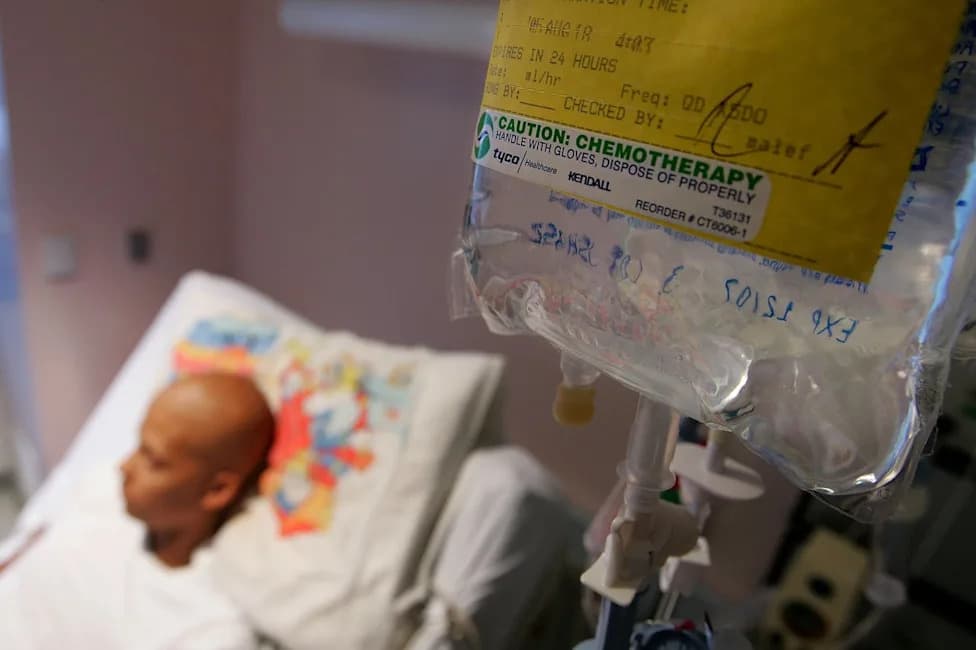
The American Red Cross has declared a crisis in the US blood supply — only the second time in its 150-year history — after stocks fell by about 25% last month. Wildfires, extreme heat and a wave of food-borne illness reduced donor turnout while summer demand increased. The Red Cross, which supplies roughly 40% of the nation’s donated blood, is distributing about 3,500 extra units and warns some hospitals may need to divert patients if supplies do not recover. Donors are urgently needed, especially for O Positive blood.
American Red Cross Declares US Blood Supply a Crisis — Only Second Time in 150 Years

[Getty Images]
The American Red Cross has declared the United States blood supply to be at a crisis level — only the second such declaration in the organization's 150-year history. Supply levels fell by roughly 25% last month, prompting urgent appeals for donors as hospitals face higher summer demand.
Current Situation
The Red Cross — which provides about 40% of the nation’s donated blood — says it is distributing around 3,500 more units than normal for this time of year and is dipping "very, very low" into its inventory to meet patient needs. Donated blood cannot be stockpiled indefinitely: red blood cells must be used within 42 days because they degrade over time.
Factors Behind the Shortage
Dr Courtney Lawrence of the American Red Cross told the BBC that several converging factors worsened an existing shortage:
Extreme heat: High temperatures have kept many people indoors and forced the cancellation or scaling back of planned blood drives when venues could not provide a safe, cool environment for donors.
Wildfires: The increase in wildfire activity has diverted resources and personnel away from donation efforts in some regions.
Food-borne illness outbreaks: An unusual wave of illnesses — including cyclosporiasis, which causes diarrhoea — has sidelined potential donors who are temporarily ineligible.
Seasonal demand: Summer typically brings more car crashes and outdoor injuries that increase the need for emergency transfusions.
Impact on Hospitals and Patients
All blood types are needed, with O Positive in particular demand because it can be used in emergency situations when a patient’s blood type is unknown. Lawrence warned that some hospitals expect the crisis could affect routine operations; a few have considered whether they might need to divert patients to other trauma centres if they cannot keep adequate blood supplies on hand.
Situation in Canada
Canadian Blood Services has reported a nearly 20% decline in supplies since the start of June. Appointment bookings have fallen 1,500–2,500 short each week in recent weeks, forcing draws on existing inventory. Unlike in the US, Canadian officials say the cause of the drop in donations is not yet clear.
How You Can Help
The Red Cross and other blood centres are asking eligible donors to schedule appointments for donation. Donors should stay hydrated, bring required identification, and check local eligibility rules. Increased donor turnout is critical to restore balanced inventories and ensure hospitals can respond to emergencies.
“We don’t have the ability to stockpile blood super far in advance because blood does have a finite shelf life; it does expire,”
Bottom line: A combination of higher summer demand and lower donor turnout driven by heat, wildfires and illness pushed an existing shortage into crisis. Immediate donations are needed nationwide to avoid disruptions to emergency care.
Help us improve.