PRIMA, a photovoltaic retinal implant combining a subretinal chip and augmented-reality glasses, has received CE approval in the EU for restoring form vision in patients with geographic atrophy from age-related macular degeneration. The glasses send imagery via near-infrared light to the implant, which converts it into electrical pulses to stimulate retinal cells. Initial commercial availability will begin in Germany while the manufacturer pursues reimbursement across Europe and continues discussions with the U.S. FDA, where PRIMA holds Breakthrough and Humanitarian Use Device designations.
EU Grants CE Mark to PRIMA — First Photovoltaic Retinal Implant to Restore Form Vision
Science Corp
The European Union has approved PRIMA, a first-of-its-kind photovoltaic retinal implant designed to restore practical central vision for people with geographic atrophy caused by age-related macular degeneration (AMD).
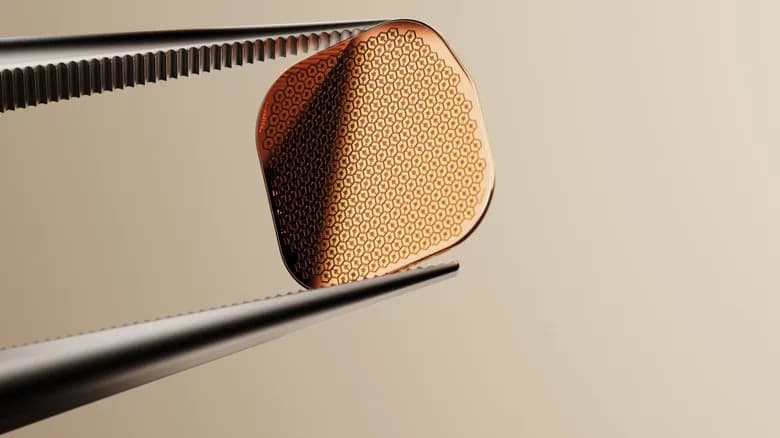
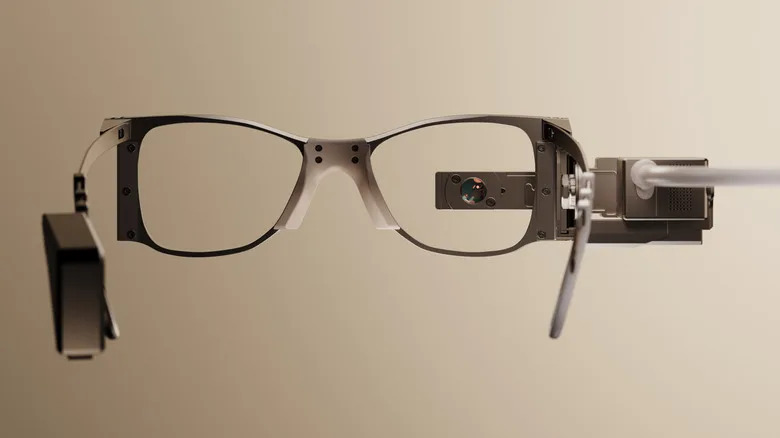
What PRIMA Is: PRIMA (Photovoltaic Retina Implant Microarray) combines a tiny subretinal photovoltaic chip with augmented-reality glasses. The glasses’ camera captures the scene, processes the image, and transmits it to the implant via near-infrared (NIR) light. The implanted chip converts that light into electrical pulses that stimulate bipolar retinal cells, enabling the brain to perceive a clear image.
Why This Matters: The system targets form vision — the ability to read letters, numbers and words and to see fine central detail — which is lost in patients with geographic atrophy. Geographic atrophy is a progressive form of dry AMD that affects roughly 8 million people worldwide and gradually destroys light-sensitive cells in the macula.
Science Corp
Regulatory and Commercial Status: PRIMA is the first ocular implant to receive a CE mark under the European Union Medical Device Regulation specifically for form vision restoration. That approval clears the device for commercial availability across EU markets. The initial commercial rollout will begin in Germany while the manufacturer, Science Corporation (Science Corp), pursues country-specific reimbursement approvals and activates clinical sites across Europe.
U.S. Pathway: Science Corporation is engaging with the U.S. Food and Drug Administration. PRIMA has already been granted Breakthrough Device and Humanitarian Use Device designations by the FDA, which can expedite review and support access for eligible patients.
How It Differs From Other Approaches: Unlike externally powered or fully robotic prosthetic eyes, PRIMA’s implant is photovoltaic — it generates electricity directly from incoming light (similar to a tiny solar cell). This design eliminates the need for an implanted battery or frequent external charging. Because the signal is carried by near-infrared light, which the human eye cannot detect, transmission does not interfere with any remaining natural vision.
Patient Impact: Clinical trials have shown that PRIMA can restore functional central vision in suitable candidates, enabling tasks such as reading and improved face recognition. With CE approval and Germany as the first commercial market, PRIMA represents an important step toward clinically available vision-restoration implants in Europe.
Note: Patients considering this technology should consult retinal specialists and review eligibility criteria, clinical results, and local reimbursement options.
Help us improve.