Pavones—famous for one of the world’s longest left‑hand waves—faces a fight over land titles, demolitions and contested development plans that residents say threaten beach access and the town’s character. The town’s early developer, Danny Fowlie, left a legacy of infrastructure and unresolved land disputes after his arrest. Locals and ADI Río Claro Pavones are challenging municipal actions and a 2015 MINAE designation that placed properties near Río Claro under maritime protections. Restaurateur Nick Cena, whose business was torn down, is rebuilding and has published a semi‑autobiographical book as part of the community’s resistance.
Pavones: How a Surf Town Built by a Smuggler Is Fighting to Preserve Its Future

The locals did all that they could to stop the destruction but there was heavy police presence escorting the demolition crews.Brayden Hope
Pavones, the remote Costa Rican left‑hand point famous for some of the longest rides in the world, is fighting to remain itself. Once developed in the 1970s by Californian Danny Fowlie—known locally as the "King of Pavones"—the town now faces a wave of legal battles, pre‑dawn demolitions and contested development plans that residents say threaten public beach access and the community’s way of life.
From Smuggler’s Dream To Local Community
Danny Fowlie first drew attention to Pavones after spotting the long left from his plane and buying land to create an idealized surf settlement. He helped build roads and schools and supported the community until his arrest in the early 1990s. His exit left unresolved land titles and disputes that have simmered for decades.
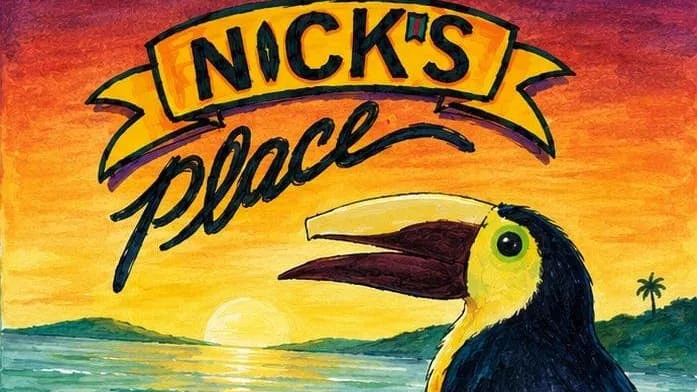
Nick's Place: Last Stop Before Nowhere is available now.Nick Cena
Demolitions, Lawsuits And Local Resistance
Those tensions erupted last year when, before dawn, riot police escorted bulldozers and demolition crews to tear down several buildings in town. Property owners and residents protested that the actions were contested and accompanied by a heavy security presence that limited local resistance.
"When I looked online, I saw that people were telling the story of what happened, but not the way it actually happened," says Nick Cena, whose restaurant was demolished. "The community was doing everything they could to stop it from happening."
Cena turned his experience into a semi‑autobiographical novel, Nick's Place: Last Stop Before Nowhere, and is rebuilding his restaurant a short walk from its former site. He expects the new location to reopen in roughly two months and describes both the book and the rebuilt venue as acts of resistance.

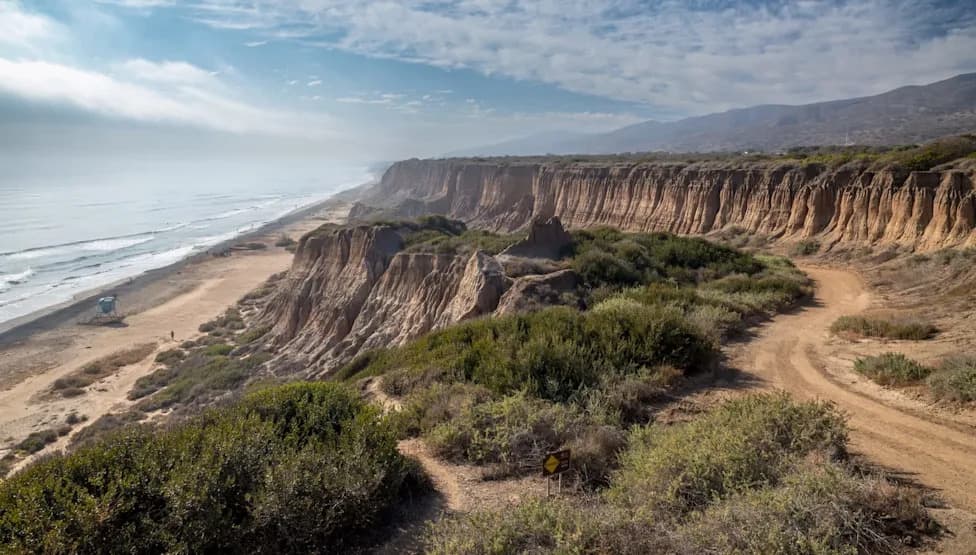
The waves that grace the shores of the Golfo Dulce are also home to the 2nd highest biodiversity index in the world.Chris Dodds
Planning Disputes and Environmental Designations
Domenique Romano, secretary of ADI Río Claro Pavones (Asociación de Desarrollo Integral), explains that the community is challenging municipal and regulatory actions that it says favor private interests over local needs. Romano warns that earlier regulatory plans would have carved roads through existing infrastructure and could, in practice, privatize beach access by leaving insufficient roads and parking.
Romano also points to a 2015 designation by MINAE (the Ministry of Environment and Energy) that assigned protective status to the Río Claro and surrounding areas. That classification has been interpreted to place titled properties within 200 meters of the river under Maritime Zone protections, a move that many residents say occurred without proper consultation or transparent studies. As a result, numerous property owners have lost clear title and are now in legal limbo as court challenges proceed.
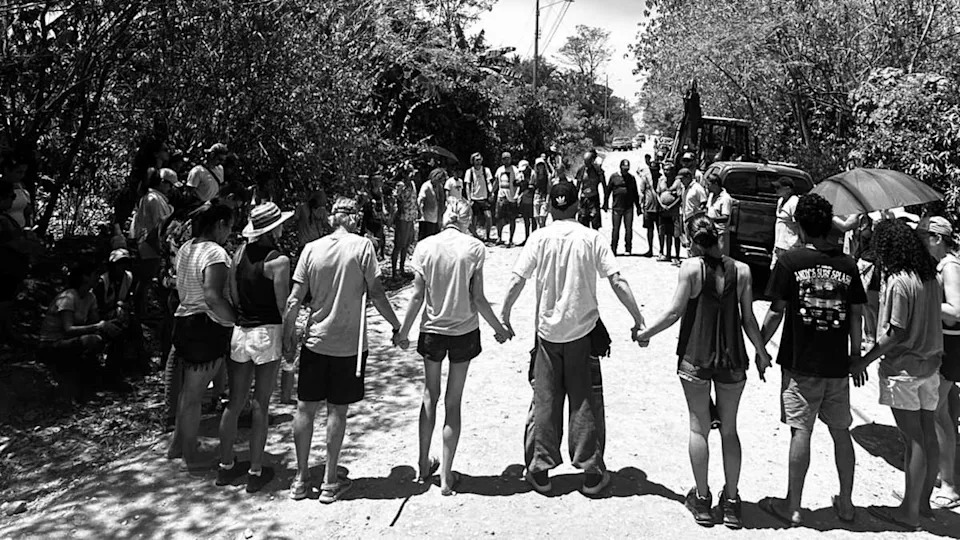
When the bulldozers came, the locals did all that they could to save the town.Brayden Hope
Why Pavones Matters
Pavones sits on the Golfo Dulce, one of the few tropical fjords on Earth, and is fringed by rainforest that supports extraordinarily high biodiversity. Its world‑class left‑hand wave has drawn generations of surfers and visitors. That appeal also makes Pavones attractive to developers: similar towns in Costa Rica, such as Nosara and Santa Teresa, have been transformed by foreign investment, hiking property prices and altering community life.
Locals worry that unchecked development and poorly designed regulatory plans will erode Pavones’ character, price out residents, and make public beaches effectively inaccessible. "Beaches are public by law, but if there's no way to get to them, they'd be private in practice," Romano says.
The Ongoing Fight
The struggle in Pavones is playing out across courtrooms, municipal planning sessions and the town’s streets. ADI Río Claro Pavones continues its legal challenge, residents keep organizing to protect access and local livelihoods, and individuals like Nick Cena are using storytelling and rebuilding to keep the community visible. How those forces balance—legal rulings, regulatory planning and grassroots resistance—will determine whether Pavones preserves its identity or shifts toward a more privatized, tourist‑oriented model.
Originally published by Surfer on July 29, 2026.
Help us improve.