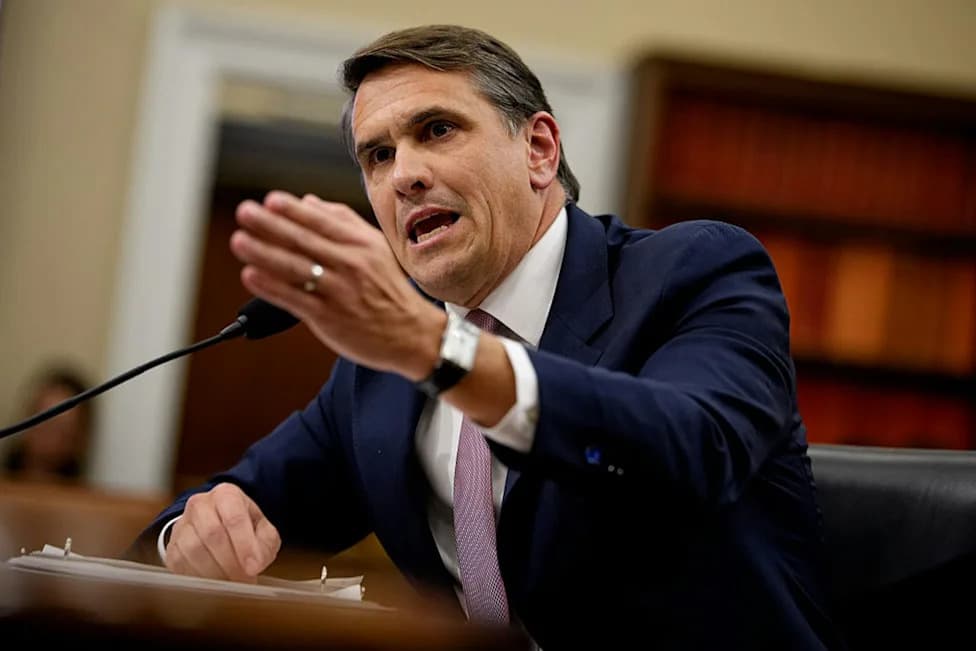
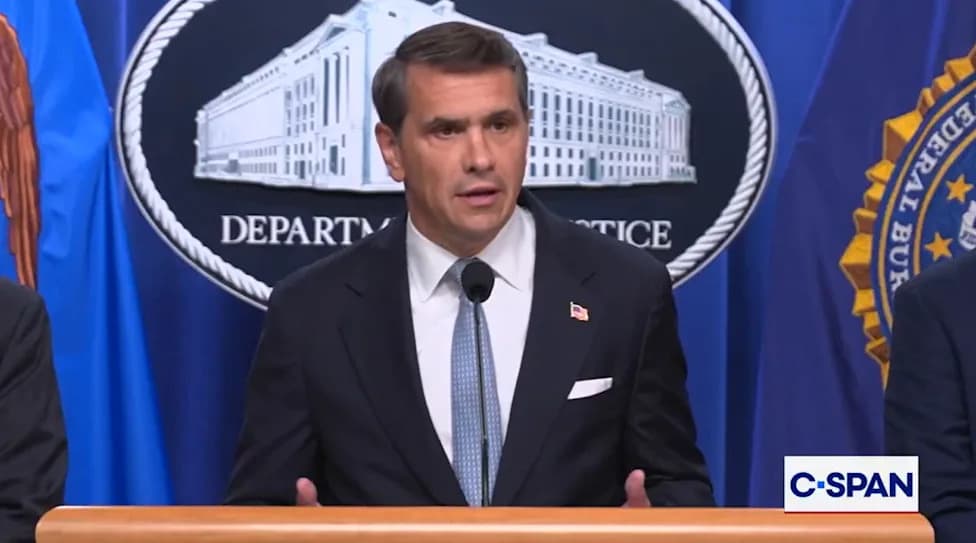
Todd Blanche's prospects of becoming attorney general have been thrown into doubt after Senator John Cornyn canceled a planned meeting with the nominee amid a standoff over President Trump's $1.776 billion "Anti‑Weaponization Fund." Republicans on the Senate Judiciary Committee are insisting on written proof that the fund has been terminated before they will back Blanche.
Senate Showdown
Cornyn was intercepted by CNN's Manu Raju in the Senate hallways Wednesday after news that his morning meeting with Blanche had been canceled. Cornyn said committee chair Chuck Grassley had told him the Judiciary Committee needed to know by 4 p.m. whether the markup would proceed.
"Well, [Senate Judiciary Committee Chair] Grassley tells me that we need to know by four o'clock this afternoon whether the markup is still on. So we've still got a little time," Cornyn said. "I'm not prepared to vote 'yes,' lemme put it that way."
Cornyn and Senator Thom Tillis have demanded a written termination of the $1.776 billion fund — which they and other critics describe as a slush fund that could benefit the president's allies. Tillis told Semafor there is "no daylight" between him and Cornyn on the demand.
What Could Sink the Nomination
Because Blanche needs unanimous support from all 11 Republican members of the Senate Judiciary Committee to advance (assuming all Democrats oppose him), a single GOP "no" would effectively block his nomination. Committee Republicans say Blanche could resolve the impasse by providing a written statement confirming the fund's termination; Blanche has not done so.
"We've still got what, about another five or six hours? That's plenty of time to resolve this," Cornyn said. "There's no real need to have a meeting if they will just produce the documentation that we've requested — and that he testified to under oath during his hearing."
When pressed on why Blanche had not produced the requested paperwork, Cornyn replied bluntly: "Beats me. Maybe they think I'm just going to give up or, you know, go along, but they're mistaken."
Why It Matters
The dispute highlights how a narrow partisan margin and a few dissenting senators can exert outsized influence over high-profile nominations. It also underscores continuing Republican concerns about the scope and use of executive funds tied to national security or law-enforcement priorities.