The Medicare GLP-1 Bridge, effective July 1, 2026 through December 31, 2027, offers certain beneficiaries a fixed $50 monthly copay for covered GLP-1 drugs like Wegovy. Eligibility is strict and based on BMI at therapy start plus specific comorbidities, and the program explicitly excludes people with type 2 diabetes, moderate-to-severe OSA, and specified MASH with fibrosis. The Bridge runs outside Part D, so the $50 does not count toward Part D deductibles, the $2,100 out-of-pocket cap, or Extra Help. Beneficiaries must be enrolled in an eligible Part D plan, secure prior authorization with precise documentation, and, if excluded, pursue coverage through their Part D plan.
Medicare’s GLP-1 Bridge: Wegovy for $50/Month Starts July 1, 2026 — But Eligibility Is Narrow

Inna Kot / Shutterstock.com
Starting July 1, 2026, a nationwide, time-limited Medicare demonstration called the Medicare GLP-1 Bridge will make certain GLP-1 weight-loss medications available to qualifying beneficiaries for a fixed $50 monthly copay. The program runs through December 31, 2027, operates outside Part D, and requires that beneficiaries be enrolled in an eligible Part D drug plan even though the medication does not need to be on that plan’s formulary.
What Drugs Are Covered
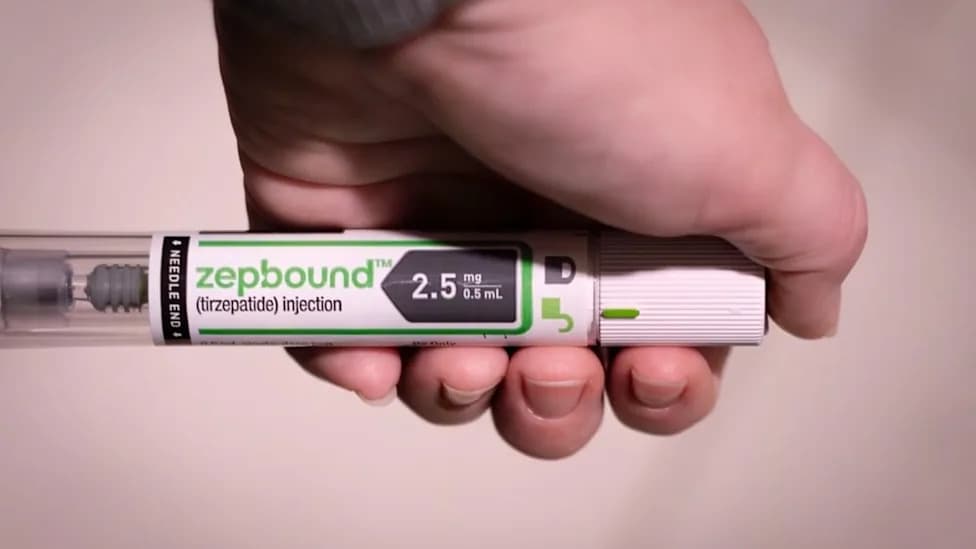
Three drugs are included in the Bridge: Wegovy (injection or tablet), Zepbound (KwikPen only — not vials or single-dose pens), and Foundayo (tablet).
Who Can Use the Bridge
To qualify, a person must be at least 18 years old and enrolled in an eligible Medicare drug plan. Eligible plan types include standalone Part D PDPs, most Medicare Advantage plans with drug coverage (MA-PD HMO and PPO), Special Needs Plans, and many employer or union group waiver plans. Certain private fee-for-service, cost, and PACE plans are not eligible unless the beneficiary also has a qualifying standalone PDP. If you have Original Medicare without a Part D plan, you must enroll in an eligible Part D plan before using the Bridge.
Strict Clinical Eligibility Rules
CMS set tight clinical thresholds. Eligibility generally depends on the beneficiary’s BMI at the start of GLP-1 therapy and specific comorbidities. Documentation typically must show the BMI and diagnoses from the time therapy began. The eligibility tiers are:
- BMI ≥ 35: qualifies based on BMI alone.
- BMI ≥ 30 plus one of: heart failure with preserved ejection fraction; uncontrolled hypertension (CMS defines this as systolic >140 mmHg or diastolic >90 mmHg despite treatment with two blood-pressure medications); or chronic kidney disease stage 3a or worse.
- BMI ≥ 27 plus one of: prediabetes; prior heart attack or stroke; or symptomatic peripheral artery disease.
A prescribing clinician must certify the diagnosis and submit prior authorization. The prescription must be written for weight reduction or maintenance alongside ongoing nutrition and physical activity. Self-reported BMI or vague clinical notes are unlikely to meet the documentation standard.
Important Exclusions And Coverage Nuances
The Bridge excludes several groups that some patients may assume qualify. It does not apply to beneficiaries who received a GLP-1 through Part D in 2026 or who are being prescribed a GLP-1 for an indication already covered under Part D—even if the drug is not on their plan’s formulary. The Bridge also explicitly excludes people with type 2 diabetes, moderate-to-severe obstructive sleep apnea (OSA), and noncirrhotic metabolic dysfunction-associated steatohepatitis (MASH) with moderate-to-advanced liver fibrosis. Note that this MASH definition is narrower than a general diagnosis of “fatty liver disease.”
There is a clinical nuance for prior heart attack: it can satisfy the BMI-27 tier, but if the drug is prescribed specifically to reduce cardiovascular risk, the prescription belongs under Part D rather than the Bridge.
Costs And How The Bridge Interacts With Part D
The Bridge’s copay is fixed at $50 per month and operates outside Part D. That means the $50 payment:
- Does not count toward your Part D deductible.
- Does not count toward the Part D annual out-of-pocket cap (the $2,100 threshold).
- Is not reduced by Extra Help (low-income subsidy).
- Cannot be spread through the Medicare Prescription Payment Plan.
Beneficiaries must still pay any Part D monthly premium and any applicable Part D IRMAA surcharge. For 2026, IRMAA ranges from $14.50 to $91.00 per month depending on income tiers.
Prior Authorization And Appeals
The Bridge requires prior authorization with clinician certification and clear documentation. CMS does not provide a formal, separate Bridge appeal process; however, providers may resubmit corrected information if a prior authorization is denied.
How To Check If The Bridge Is Right For You
- Confirm Part D Enrollment: Make sure you are enrolled in an eligible Part D plan. If you are on Original Medicare without Part D, enroll during the Annual Enrollment Period (Oct. 15–Dec. 7) to gain access starting Jan. 1 of the following year.
- Gather Clinical Documentation: Ask your prescribing clinician to compile BMI at therapy start, qualifying diagnoses, and current treatment details on a single page to support prior authorization.
- If You’re Excluded: If you have type 2 diabetes, moderate-to-severe OSA, or qualifying MASH with fibrosis, pursue coverage under your Part D plan: check the formulary, the drug tier, and how to request a formulary exception if needed.
This demonstration is not broad Medicare coverage for weight-loss drugs; it is a narrowly targeted, time-limited program that could deliver meaningful savings for beneficiaries who meet CMS’s specific clinical and enrollment criteria.
Sources: CMS guidance and Medicare.gov program materials for the 2026 plan year.
If you have questions or corrections, contact: [email protected]
Help us improve.