Kyushu University researchers converted discarded pumpkin peel into carbon quantum dots and combined them with plant fibers and gelatin to make a biodegradable food-wrap. In 20-day lab tests on cherry tomatoes the film blocked more UV light, reduced microbial growth, and better preserved antioxidants than conventional plastic, though it lost more moisture. Safety tests showed no toxicity below 2 mg/mL, but the authors stress more testing across foods and spoilage organisms is needed before commercialization.
Could Pumpkin Peel Replace Plastic Wrap? Researchers Develop Biodegradable Film From Food Waste
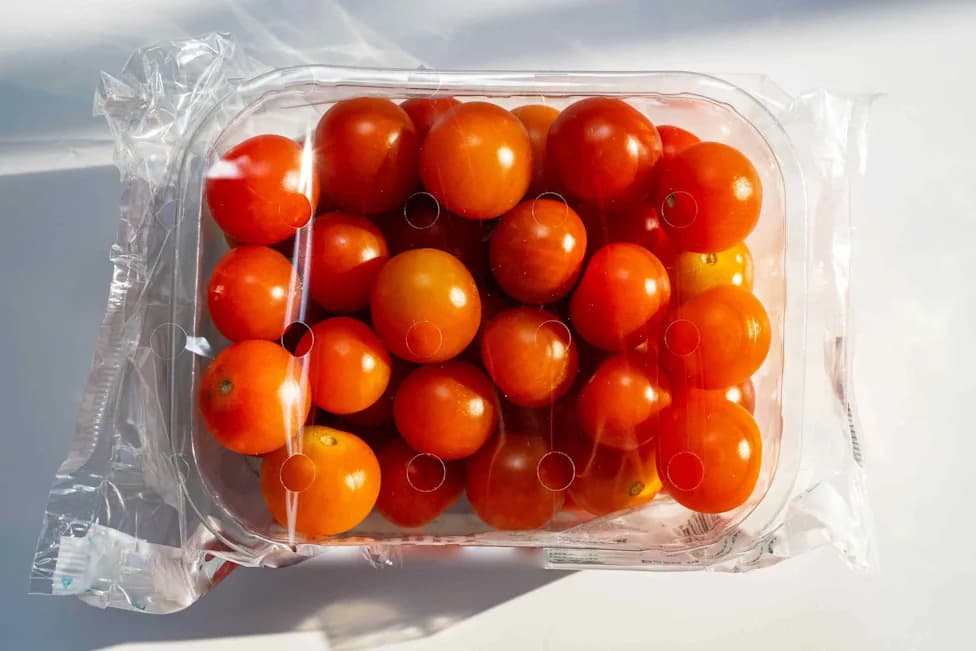
Credit: Alberto Marrupe Gutierrez / Getty Images
Researchers at Kyushu University have turned discarded pumpkin peel into an experimental biodegradable food-wrap that, in laboratory tests, outperformed standard plastic wrap on several spoilage metrics. The composite film is built around carbon quantum dots (CQDs) produced from pumpkin peel and mixed with plant fibers and gelatin to form a cling-film–like coating.
How the Film Was Made
The team produced carbon quantum dots by subjecting discarded pumpkin peel to high-pressure heating and then freeze-drying the product into a fine carbon powder. Those CQDs were combined with plant fibers and gelatin to form a thin biodegradable composite film that can be applied as a coating to fresh produce.
Key Findings
When tested on cherry tomatoes over a 20-day period, the pumpkin-peel film:
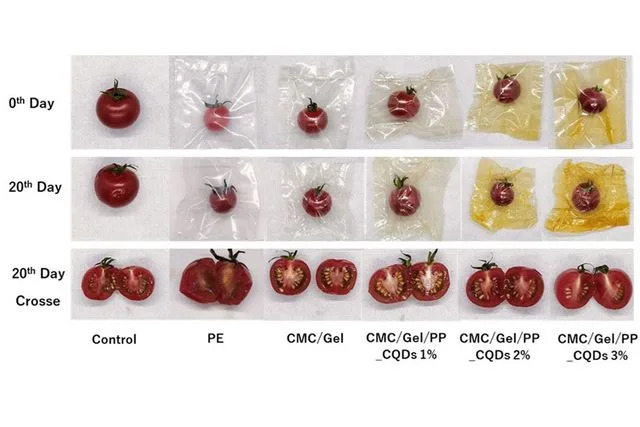
The pumpkin peel-derived film outperformed conventional plastic wrap on cherry tomatoes after 20 days, blocking more UV light, reducing microbial growth, and better preserving antioxidant activity.Credit: Professor Fumihiko Tanaka / Kyushu University
- Blocked more ultraviolet (UV) light than conventional plastic wrap, which can slow UV-driven spoilage processes;
- Reduced microbial growth compared with plastic wrap and no packaging;
- Better preserved antioxidant activity in the tomatoes, helping retain quality and potential nutritional value;
- Was less effective than conventional plastic at preventing moisture loss (weight loss via evaporation).
Safety, Footprint, and Limits
Lead and coauthors emphasize safety and further testing. Cell viability assays reported no toxicity below 2 mg/mL, and the experimental coating was applied at roughly 0.01 millimeters thick—far thinner than the concentration tested for cytotoxicity. The researchers note that consumers can further reduce exposure by washing or peeling produce.
Compared with metal-based antimicrobial additives such as zinc oxide or silver nanoparticles, the organic CQDs have a lower measured environmental footprint in the study and show good biocompatibility at effective concentrations. Still, the work remains preliminary: experiments were limited to cherry tomatoes and a 20-day window. Additional testing is needed on other produce types, longer timeframes, and a broader range of spoilage organisms, including molds.
Potential Applications
Beyond preservation, the CQDs fluoresce under UV light and shift color with particle size. That property could enable fluorescent labels, tamper-evident markings, or printed designs integrated into packaging in the future.
Publication: The study was published in the August issue of Food Research International.
“Our lab has long focused on extending the shelf life of agricultural produce while reducing reliance on petroleum-based plastics,” said Fumihiko Tanaka, a coauthor. Another coauthor, Fumina Tanaka, added that CQDs derived from organic matter can offer good biocompatibility with a smaller environmental footprint than some metal nanoparticles.
Help us improve.