How an Online Joke Became a Political Force: A courtroom insult sparked a viral identity — the Cockroach Janta Party — that mobilized millions online and established a month-long sit-in at Jantar Mantar after a NEET-UG exam leak forced millions to retake the test. Delivery riders and app-based logistics supplied food and essentials from across India and abroad, lowering the cost of sustained protest. The occupation pressured the government into neutral-ground talks; Education Minister Dharmendra Pradhan resigned on July 25, and the government announced a Nilekani-led task force and tougher penalties for exam fraud. The movement now faces the challenge of converting immediate concessions into lasting institutional reform.
How an Insult Became a Movement: Inside the 'Cockroach' Protests That Forced India's Education Minister To Resign
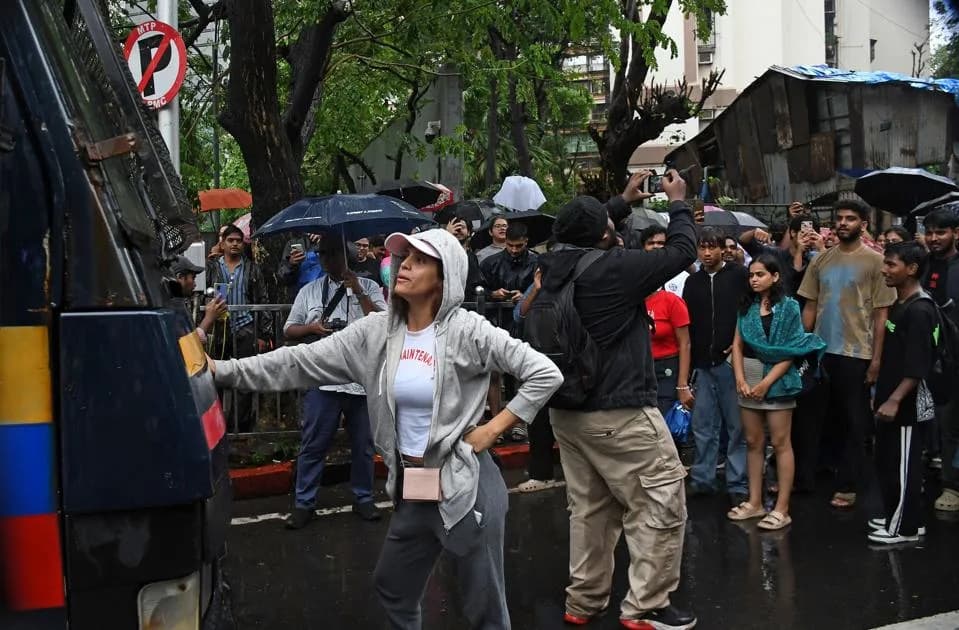
MUMBAI, MAHARASHTRA, INDIA - 2026/07/22: A demonstrator is seen blocking a police van carrying detained supporters of Cockroach Janata Party (CJP) during a protest. Cockroach Janata Party (CJP) supporters gathered in different areas of the city and protested against alleged paper leaks and irregularities in major national medical entrance examinations. (Photo by Ashish Vaishnav/SOPA Images/LightRocket via Getty Images)SOPA Images/LightRocket via Getty Images
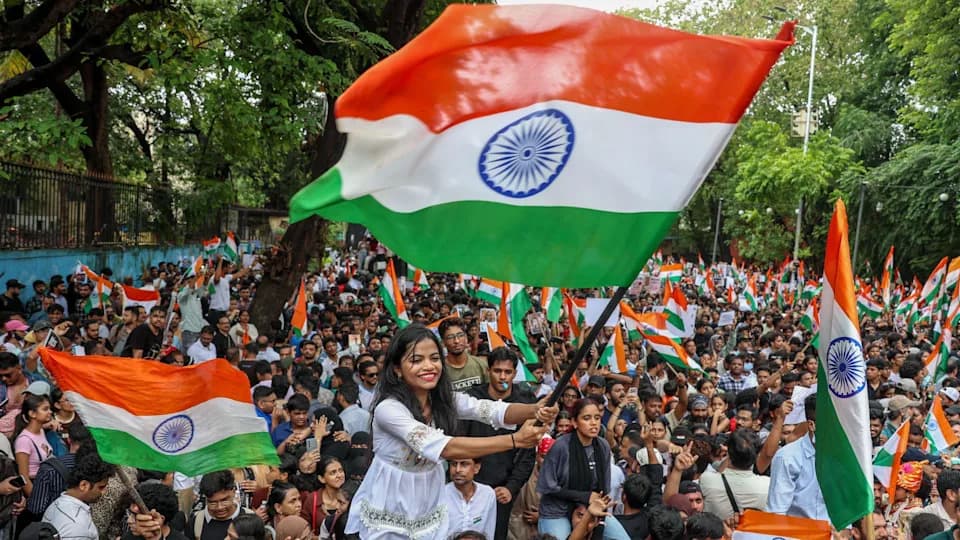
Delivery riders and strangers became an unexpected lifeline for a month-long sit-in at Jantar Mantar in central Delhi, helping transform an online joke into a politically consequential protest. The Cockroach Janta Party (CJP) began as a viral retort to a courtroom remark and grew into a durable street movement after allegations of a major leak in India’s national medical entrance exam forced millions to retake NEET-UG.
From Courtroom Snub To Viral Identity
In May, remarks by Chief Justice Surya Kant about people using fraudulent qualifications were widely interpreted as likening some young professionals and activists to "cockroaches." The insult escaped the courtroom and became a rallying label. In Boston, Abhijeet Dipke — a former political communications staffer — asked on X, "What if all the cockroaches came together?" Within days a satirical site, reportedly built with AI tools, announced the Cockroach Janta Party. Who exactly created the site remains contested; the identity spread faster than anyone could own it.
The Concrete Grievance: The NEET-UG Leak
The movement crystallized around a tangible injustice. About two million students sat the National Eligibility cum Entrance Test for undergraduates (NEET-UG), the exam that determines admission to medical programs. After questions leaked, the exam was canceled and re-administered. Reuters reported that more than a dozen student suicides were linked to the disruption. For affected students and families, the leak endangered years of study, expense and deferred opportunity — and eroded trust in institutions that gatekeep professional advancement.
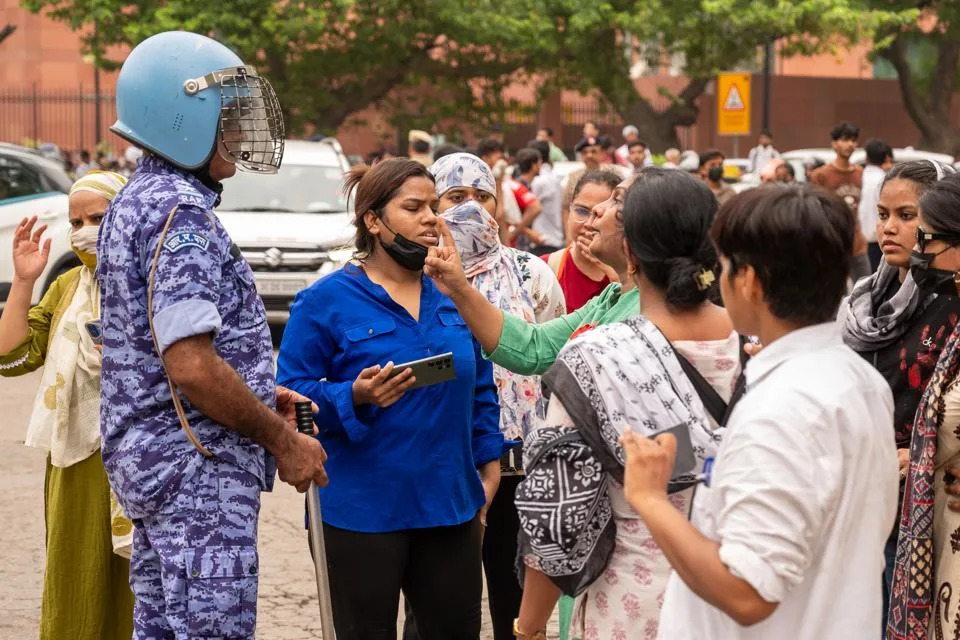
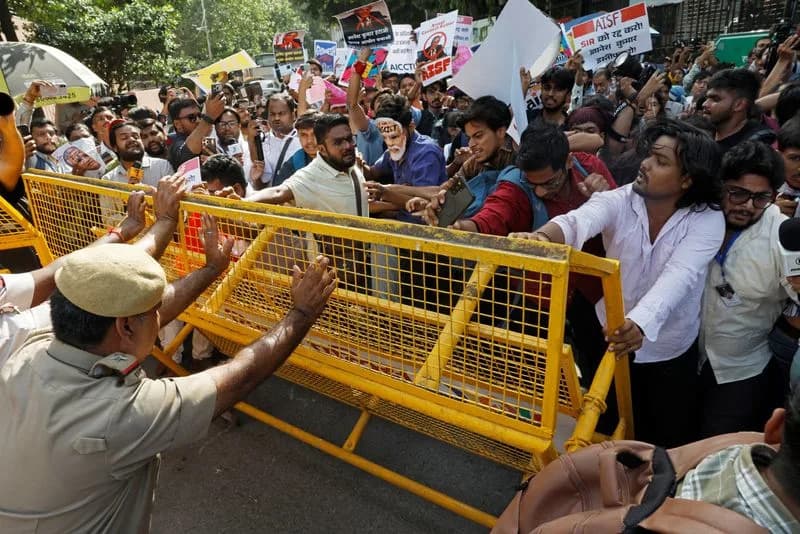
NEW DELHI, DELHI, INDIA - 2026/07/20: A group of women argues with Rapid Action Force (RAF) personnel during a demonstration organized by the Cockroach Janta Party (CJP). The protesters had been staging a sit-in at the protest site for nearly 30 days before announcing a march toward the Indian Parliament. They demanded the resignation of Union Education Minister Dharmendra Pradhan over alleged examination irregularities and called for the release of activist Sonam Wangchuk, who was taken into custody and hospitalized following a prolonged hunger strike. (Photo by Pradeep Gaur/SOPA Images/LightRocket via Getty Images)
Distributed Presence: How Support Turned Into Sustenance
The crucial shift from online attention to real-world leverage came in June, when organizers called followers to Jantar Mantar and established a sustained sit-in. Sustaining a public occupation requires food, water, sanitation, medical care and shelter. In previous Indian movements, community langars and kitchens provided that infrastructure. The CJP supplemented — and in some cases expanded — that model: delivery apps allowed unaffiliated strangers from across India and abroad to send biryani, samosas, bottled water, home-cooked meals and even 80-large-pizza orders to the protest perimeter. Volunteers called to riders, "Someone has sent this to help you." Organizers eventually asked supporters to pause deliveries because supplies had become overwhelming.
Distributed presence: Many contributors never attended the camp in person but materially sustained those who did, lowering the cost of protesting and enabling prolonged physical presence.
Endurance Under Pressure
The occupation endured punishing summer heat, monsoon rains, transport restrictions and police crackdowns as protesters attempted to march toward Parliament. Police used tear gas and batons; tents were dismantled and often rebuilt in the mud. Women joined and stayed overnight, and reports and widely shared videos suggested concerted efforts by participants to keep the camp safe for them. That trust was operational infrastructure: if people did not feel safe, the occupation could not have persisted.
Old Tactics, New Tools
The CJP combined youthful online energy — memes, satire and an AI-built site — with longstanding tactics of Indian protest: sit-ins, hunger strikes and formal negotiation. Established student groups, opposition parties and figures such as education activist Sonam Wangchuk (who undertook a 26-day hunger strike) amplified and institutionalized the movement. Protesters carried portraits of Mahatma Gandhi and B.R. Ambedkar, invoking nonviolent resistance and constitutional demands for dignity and accountability.
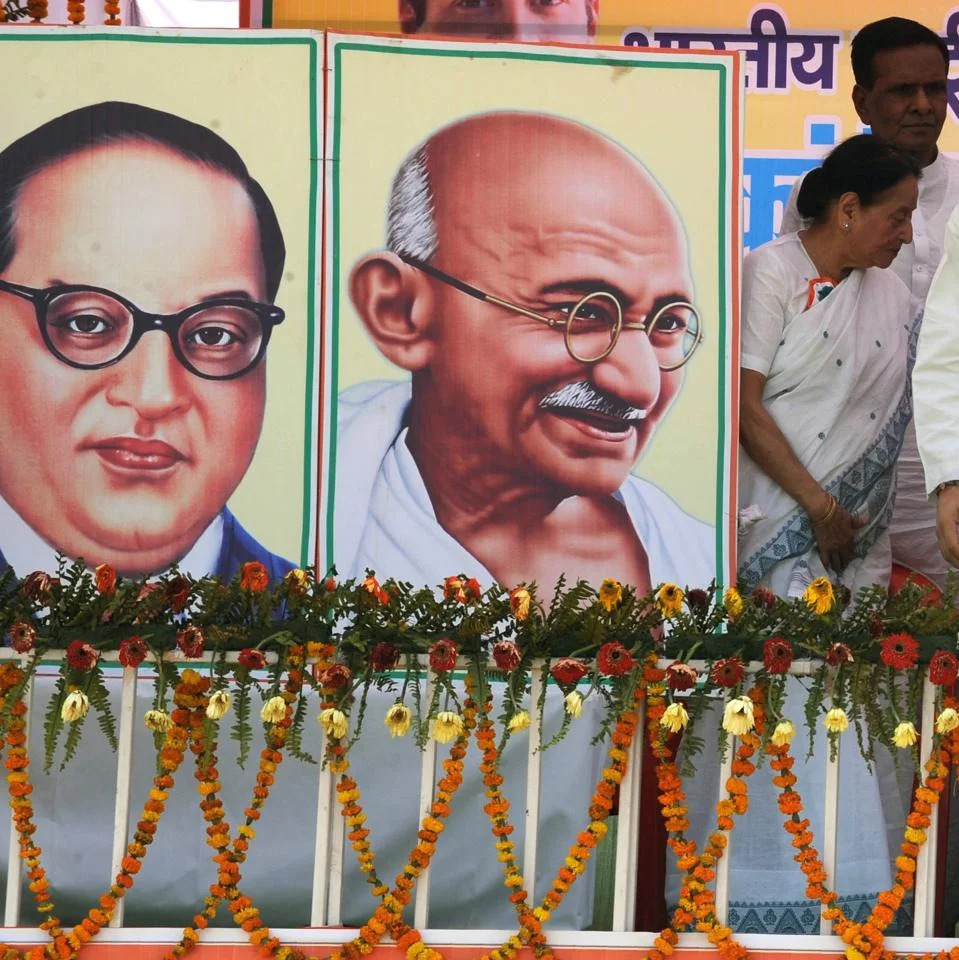
Rahul Gandhi (R) looks at portraits of B.R. Ambedkar (L) and Mahatama Gandhi uAFP PHOTO/Diptendu DUTTA (Photo credit should read DIPTENDU DUTTA/AFP via Getty Images)
Negotiations And Immediate Results
By insisting on neutral-ground talks rather than meetings at a minister’s residence, movement leaders shifted the terms of engagement. Over five days they held three rounds of talks with senior ministers J.P. Nadda and Jitendra Singh, pressing for Education Minister Dharmendra Pradhan's resignation, compensation for families of students who died by suicide, withdrawal of police cases against protesters and a five-point charter for exam reform. On July 25, Pradhan resigned. The government then announced a Nilekani-led task force and proposed legislation on July 27 to toughen penalties for exam fraud and create special courts to prosecute leaks.
What Comes Next
The resignation and policy responses are meaningful signs of accountability, but not proof of durable reform. After a 2024 scandal, a panel issued 101 recommendations that remain only partially implemented; key shifts such as moving to computer-based testing and multi-shift administration have yet to be completed. The CJP’s next test is whether it can sustain scrutiny beyond headlines and press interim commitments into institutional change.
There is also a vulnerability: much of the movement’s logistical support flowed through commercial delivery infrastructure the protesters did not control. Smart, distributed power requires understanding both how support moves and who can interrupt it.
Outcome: A viral insult turned into organized presence, which translated digital recognition into negotiating authority and a consequential ministerial resignation — but long-term reform remains an open challenge.
Help us improve.