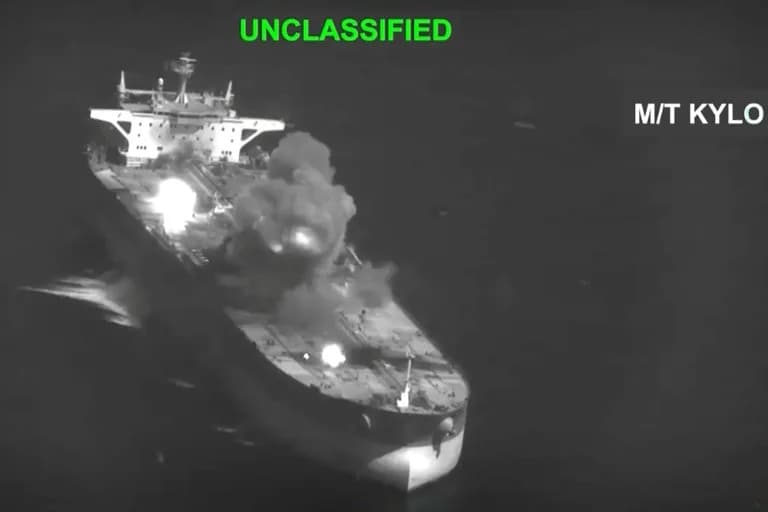
Iran launched multiple ballistic missiles at US forces on Tuesday evening (17:45 EDT / 21:45 GMT), which Centcom said were all intercepted. In response to a wave of IRGC-directed drone attacks, US and Saudi forces struck logistics and weapons sites in eastern Iraq. The IRGC also claimed it struck three oil tankers in the Strait of Hormuz while Saudi Arabia intercepted drones targeting petroleum facilities. Oil prices jumped and the clashes ended a short pause intended to revive negotiations.
Iran Fires Ballistic Missiles at US Forces; US and Saudi Forces Strike Back in Iraq
[BBC]
Iran launched "multiple" ballistic missiles in what the US military described as an "attempted surprise attack" on American forces in the Middle East, abruptly ending a short lull in exchanges of fire. The strike occurred at 17:45 EDT (21:45 GMT) on Tuesday; US Central Command (Centcom) said all incoming missiles were successfully intercepted.
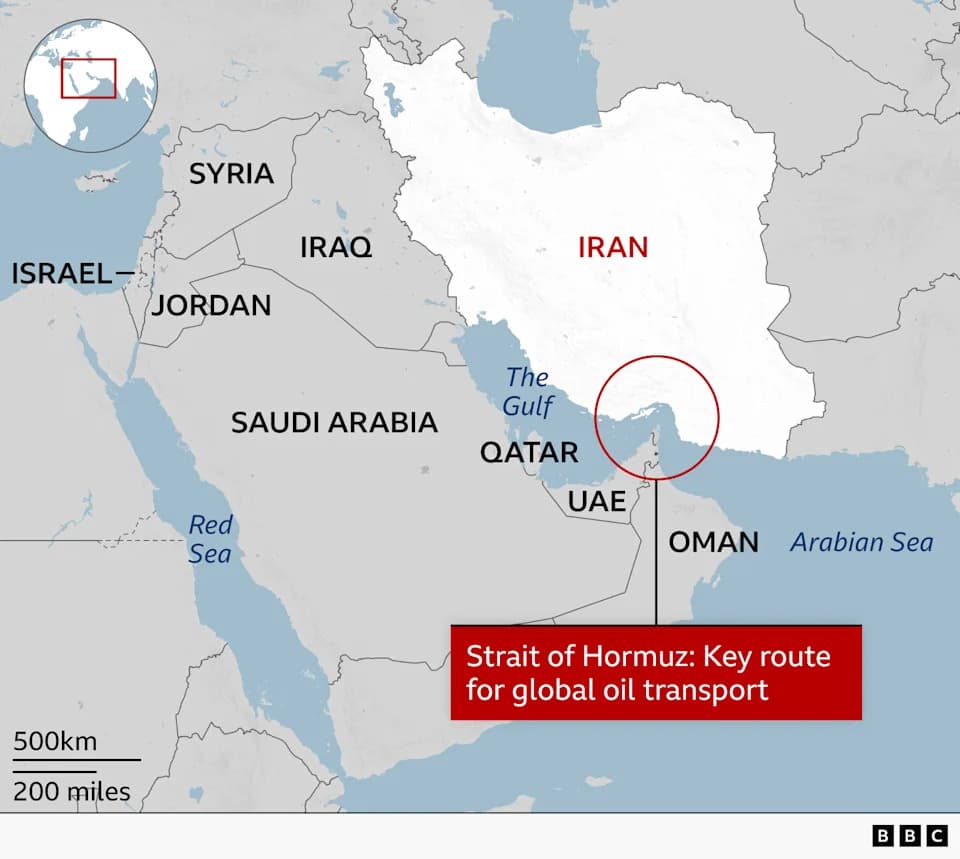
Iranian officials said the missiles targeted a US base in Jordan. Separately, Iran's Islamic Revolutionary Guard Corps (IRGC) claimed it struck three oil tankers in the Strait of Hormuz, according to the Tasnim News Agency.
In retaliation for a series of recent drone attacks, US and Saudi forces struck sites in eastern Iraq that Centcom described as "Iran-aligned terrorist logistics and weapons sites." Centcom characterized the operation as "a strong response to over 30 IRGC-directed aerial drone attacks in the last 72 hours."
Centcom warned that Iran's military and its proxies "must cease these attacks to avoid further US military response." Tehran had not issued an immediate public comment on the US- and Saudi-led strikes at the time of reporting.
Earlier on Tuesday, Saudi Arabia said its defenses intercepted drones targeting petroleum facilities in the kingdom's eastern region. Saudi Defence Ministry spokesman Major General Turki al-Maliki accused Iran-affiliated militia groups operating from Iraqi territory of launching the drones.
Markets reacted to the renewed hostilities: in early Asian trading Brent crude rose about 4.3% to $87.70 a barrel, while US-traded crude increased roughly 4.2% to $82.62 per barrel, amid concerns the conflict could disrupt shipments through the Strait of Hormuz.
The fresh exchange of strikes coincided with Israeli Prime Minister Benjamin Netanyahu's visit to Washington, where he met President Donald Trump and attended the funeral of US Senator Lindsey Graham. The episode also ended a brief pause in hostilities that had been intended to bring negotiators back to the table.
According to recent Pentagon figures, at least 624 US service members have been wounded since strikes began in February; the Pentagon said 417 of those injuries were linked to Operation Epic Fury, the joint US-Israeli operation against Iranian forces.
Why This Matters
The incident highlights continuing regional escalation risks: ballistic missiles fired toward US forces, drone campaigns targeting energy infrastructure, and retaliatory strikes across borders. Control of the Strait of Hormuz remains a major strategic and economic flashpoint in any negotiations between Washington and Tehran.
Help us improve.