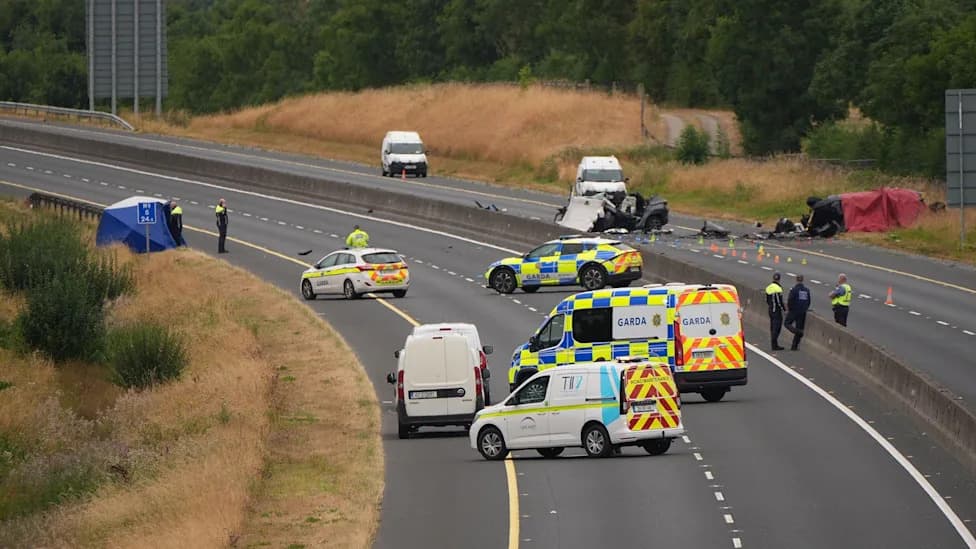
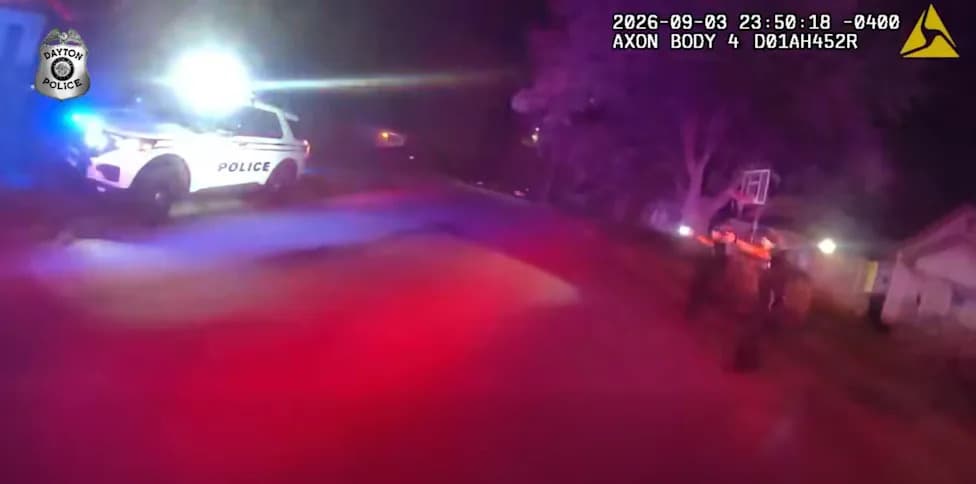
High-speed police pursuits in the U.S. carry a heavy human cost: a JAMA Network Open study found 5,425 fatal pursuit incidents from 2009–2023, resulting in 6,352 deaths (an average of over 423 per year). About 30% of the victims were innocent bystanders, and 270 were non-motor-vehicle occupants such as pedestrians or building occupants. Policymakers and advocates are proposing narrower pursuit rules—limiting chases to violent felonies, requiring supervisor approval, and restricting risky tactics in dense areas—to reduce these preventable fatalities.
High-Speed Police Pursuits Kill Hundreds a Year — Bystanders Pay a Heavy Price
Leopatrizi/Getty Images
Car chases look thrilling on screen, but the reality of high-speed police pursuits in the United States is starkly different. Over a 15-year period, thousands of people died in crashes connected to police chases—many of them uninvolved bystanders. This article summarizes recent research, places the problem in historical context, and reviews the policy debates aimed at reducing needless loss of life.
Study Findings
A cross-sectional analysis published in JAMA Network Open by Hendrix et al. used data from the National Highway Traffic Safety Administration's Fatality Analysis Reporting System (FARS). From 2009 through 2023 the study identified 5,425 fatal pursuit incidents involving 8,307 vehicles and resulting in 6,352 deaths—an average of more than 423 deaths per year. Roughly 30% of those fatalities were people not directly involved in the chase.
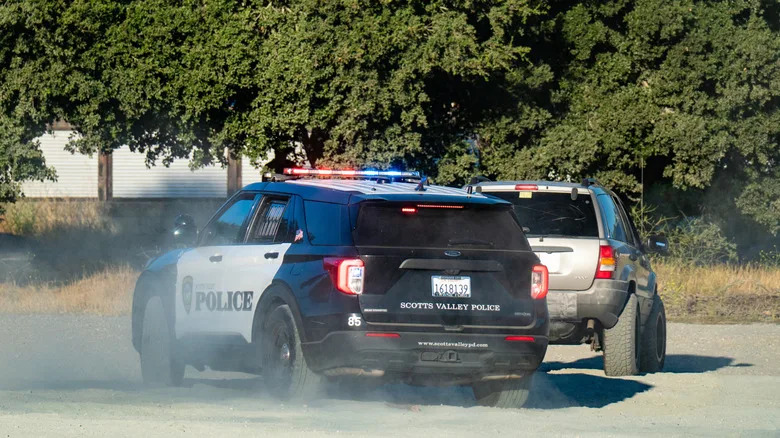
Michael Barajas/Shutterstock
Bystanders and Non-Motor-Vehicle Victims
Non-motor-vehicle occupants—pedestrians, cyclists and people inside nearby buildings—accounted for 270 pursuit-related deaths during the 15-year study window (about 4% of pursuit fatalities). These figures echo earlier reporting: a USA Today analysis covering 1979–2013 documented more than 5,000 bystander and passenger deaths linked to police pursuits, most from collisions with fleeing drivers.
Policy Variability and Reform Proposals
Pursuit policies vary widely across states and agencies. Some jurisdictions restrict high-speed chases to the most urgent situations; others apply broader standards. For example, a policy letter from the Ohio Attorney General's Office lists “failure to stop when signaled by an officer” as one circumstance that can justify a chase. By contrast, calls for reform—such as those from Atlanta lawmakers—have urged the Georgia State Patrol to limit pursuits to violent felonies, require supervisor approval before engaging, and avoid precision immobilization techniques (PIT) in dense areas.
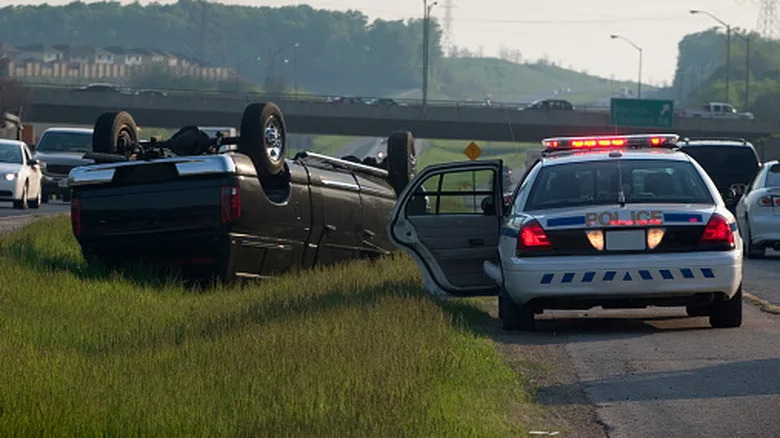
Tillsonburg/Getty Images
Controversies Around Tactics
Controversy has surrounded high-profile uses of PIT maneuvers, including an incident in which officers used the technique on a family rushing a child to the hospital. Critics argue that some tactical choices and the impulse to immediately apprehend suspects escalate risk to officers, suspects and innocent people on the road.
How Policy Changes Could Save Lives
Advocates for reform suggest several practical steps that could reduce fatalities without unduly compromising public safety: limit chases to violent felonies, require supervisory authorization, restrict dangerous maneuvers in crowded areas, and prioritize investigative follow-up over risky immediate apprehension. Evidence indicates that these targeted changes could prevent many needless deaths while preserving the ability of police to respond to serious threats.
Conclusion: While high-speed chases remain a fixture of popular culture, the public-safety data present a different picture. Narrowing when and how police pursue fleeing drivers — especially in populated areas and for nonviolent offenses — is a feasible way to reduce the significant human toll associated with pursuits.
Help us improve.