Prosecutors challenged the defense claim that Lindsay Clancy was overmedicated, entering nine prescription bottles into evidence and highlighting that many pills remained unused. Her ex-husband, Patrick Clancy, testified that although numerous prescriptions were written in the months before the January 2023 deaths, Lindsay likely took only two to four medications at a time. Legal analysts say the prosecution aims to show medications were tried sequentially rather than concurrently, undermining a medication-driven psychosis defense. The defense concedes the killings but contends Clancy's mental state negates criminal responsibility.
Ex-Husband Testifies About Prescriptions as Prosecutors Challenge ‘Overmedicated’ Defense in Lindsay Clancy Trial
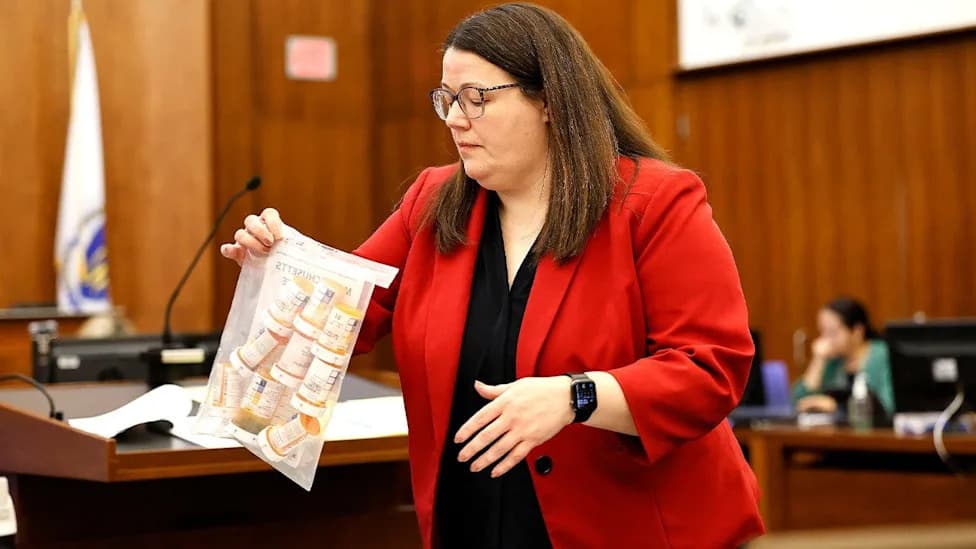
Assistant Plymouth County District Attorney Jennifer Sprague
If you or someone you know is having thoughts of suicide, please contact the National Suicide Prevention Lifeline at 1-800-273-TALK (8255).
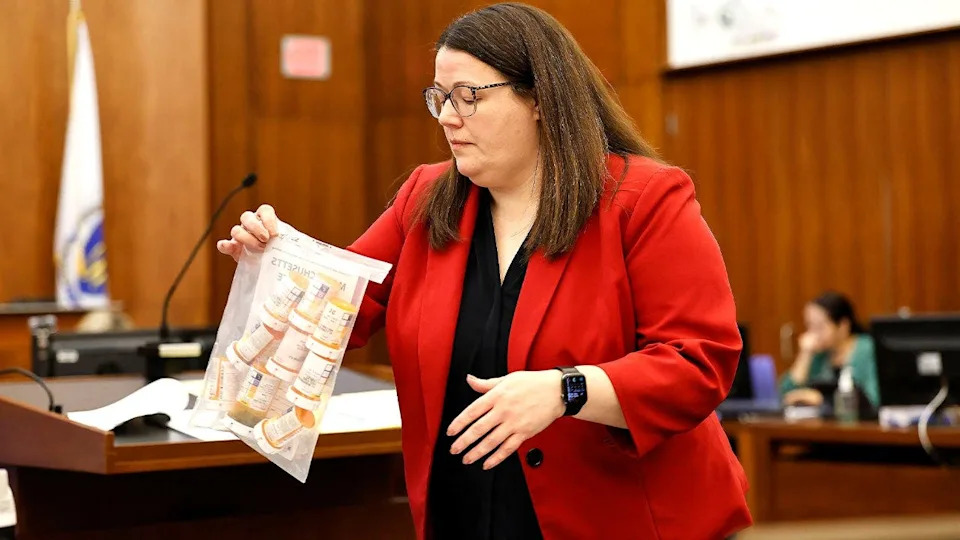
Assistant Plymouth County District Attorney Jennifer Sprague entering a bag of prescription pills that were prescribed to Lindsay Clancy into evidence during the first day of her trial.
Prosecutors on Monday moved to undercut the defense narrative that Lindsay Clancy was so heavily medicated that it drove her to kill her children, presenting jurors with physical evidence and testimony intended to show she was not taking a simultaneous “cocktail” of medications. The court heard that nine prescription bottles were collected and that several still contained many of the pills prescribed to Clancy in the months before the January 2023 deaths.
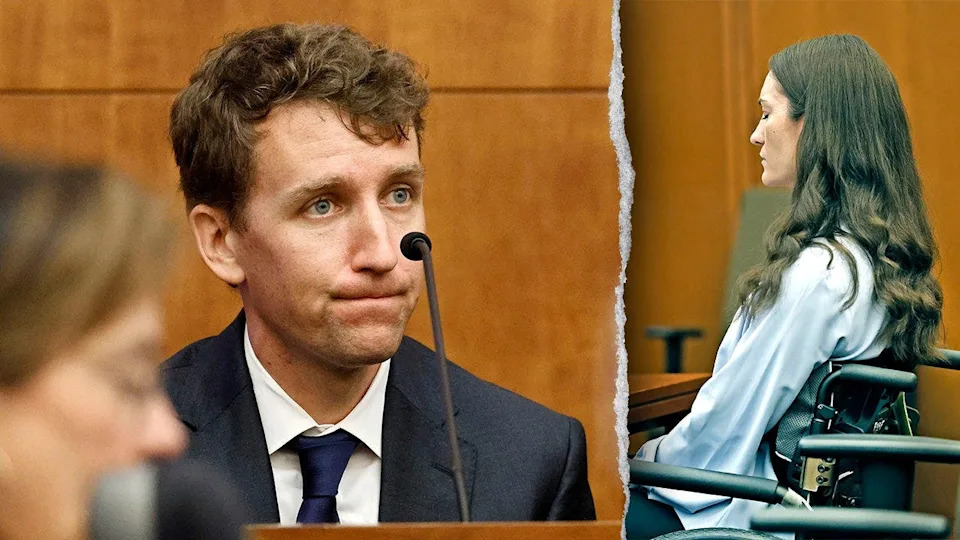
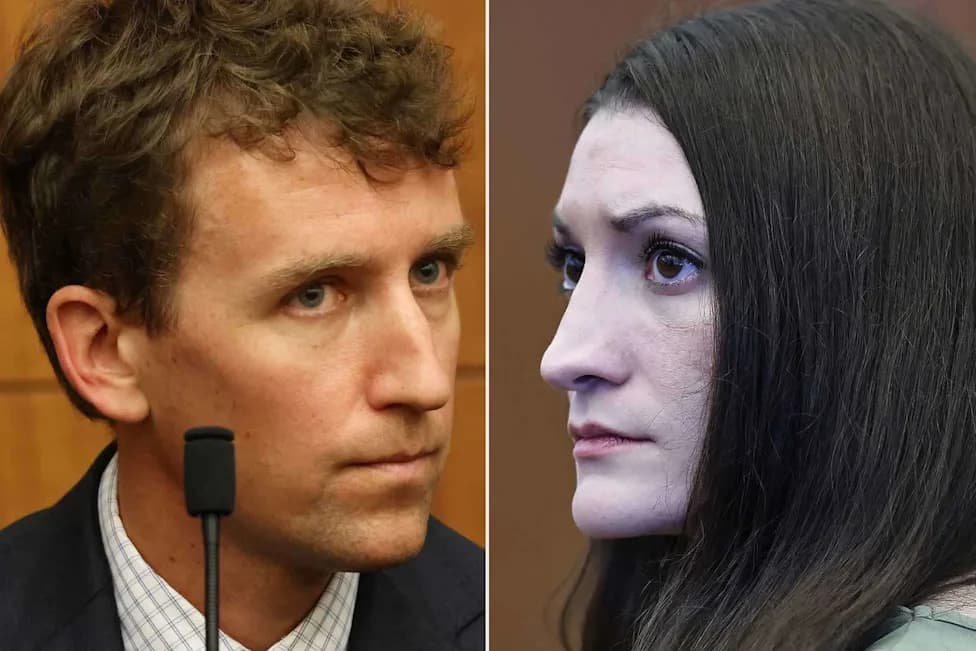
Patrick Clancy took the stand Monday and described watching his wife fall into a "big spiral" before she allegedly strangled their three young children inside the family's Massachusetts home.
Evidence and Testimony
Patrick Clancy, Lindsay's ex-husband, testified that she had been prescribed a variety of psychiatric medications in the months leading up to the deaths of their three children. Under questioning by Assistant District Attorney Shanan Buckingham, Patrick acknowledged that several prescriptions were only partially used.
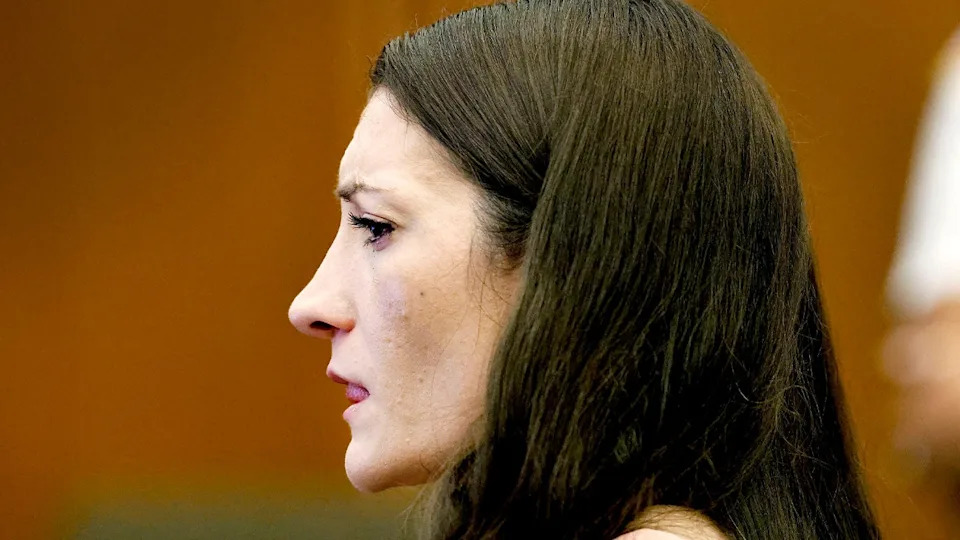
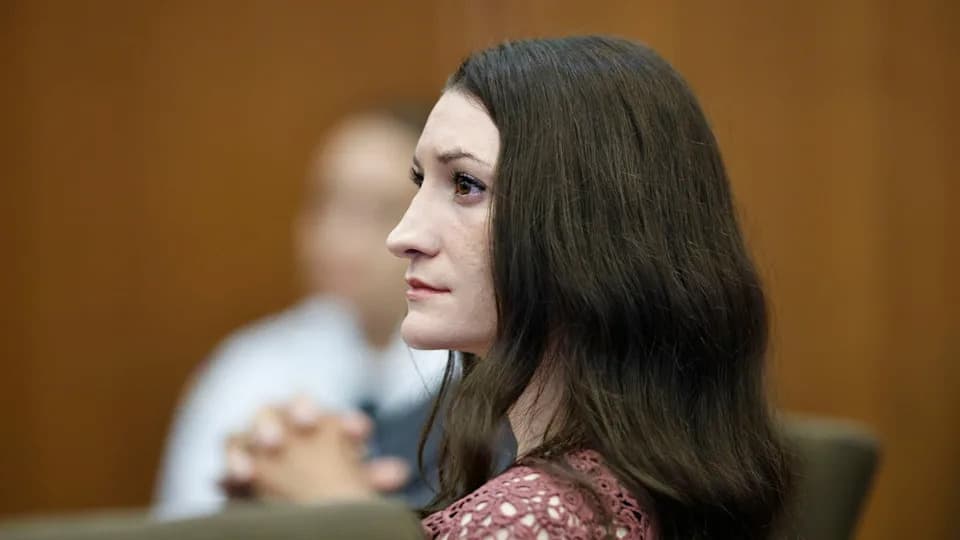
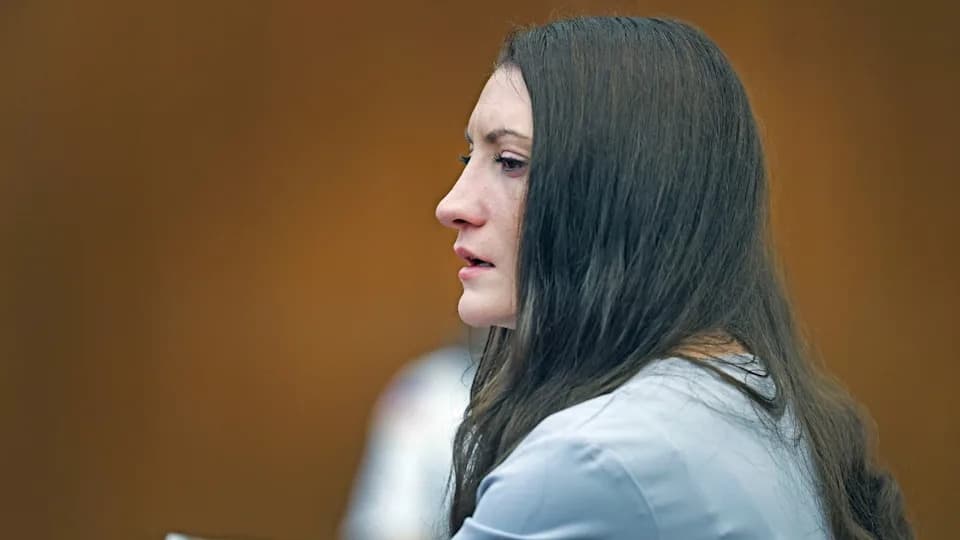
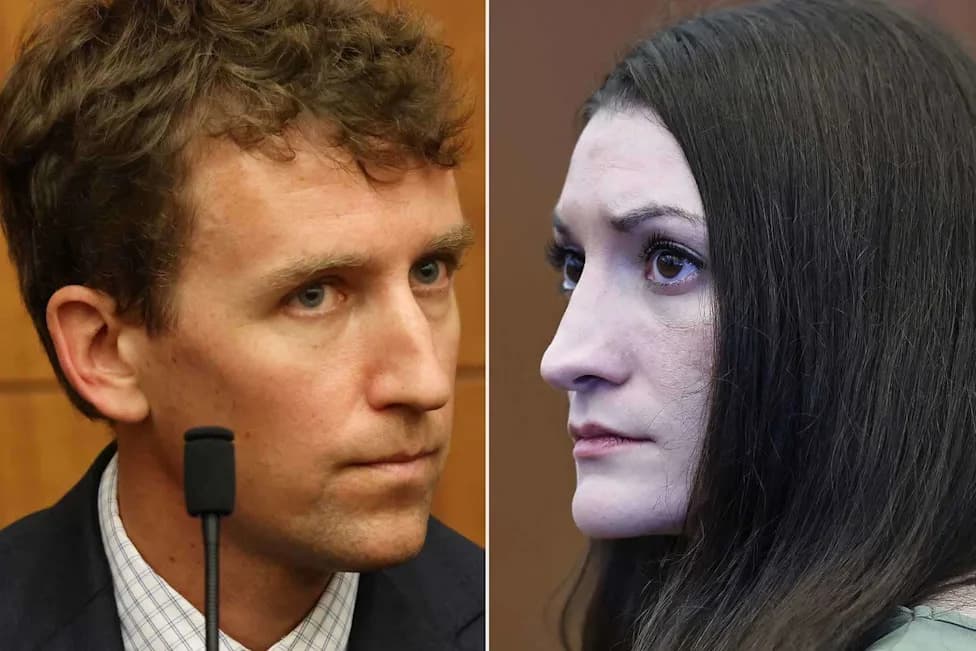
Lindsay Clancy reacts as the details of her children's deaths are read in court on Monday.
Buckingham held up a bag of pills and asked: 'So there were a lot of pills prescribed, but not a lot of pills taken. Correct?' Patrick replied, 'Out of those, yeah. It's possible that not a lot were taken.' He estimated that Lindsay was taking at most three or four medications at a time and agreed it would not be surprising to learn she had typically been on two medications simultaneously.
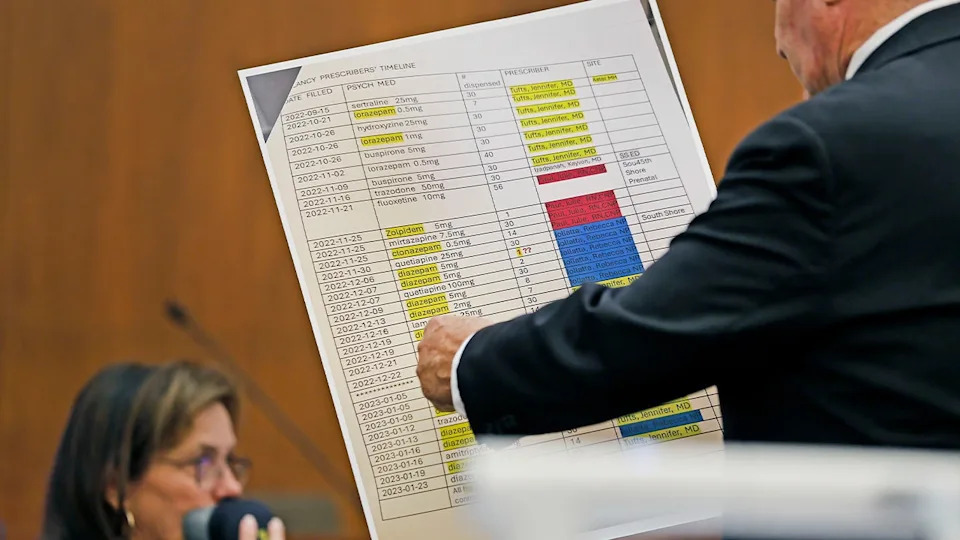
Defense attorney Kevin Reddington shows a list of medications prescribed to Lindsay Clancy, who is accused of killing her children, during his opening statement in Clancy's murder trial at Plymouth Superior Court, in Plymouth, Massachusetts, U.S., July 27, 2026.
Assistant Plymouth County District Attorney Jennifer Sprague walked the court through the physical bottles and entered the bag of medications into evidence, an effort prosecutors say focuses the jury on what Clancy was actually ingesting at the relevant time rather than the total number of prescriptions written over several months.
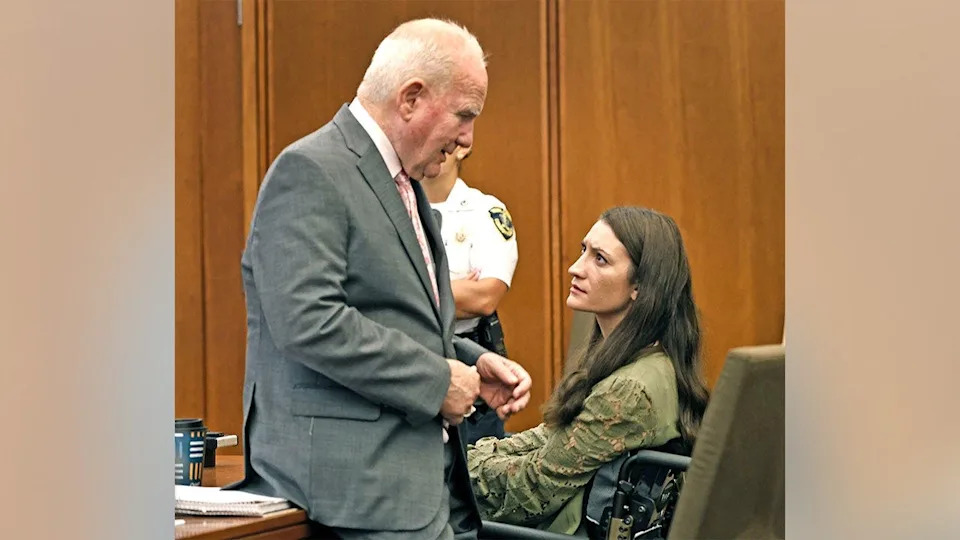
Lindsay Clancy's murder trial is expected to last six to eight weeks, and the witness list contains more than 200 names.
Prosecution Strategy and Expert Commentary
Former federal prosecutor Neama Rahmani, president of West Coast Trial Lawyers, told reporters the prosecutor's line of questioning appears intended to blunt a defense claim that changing or combined prescriptions caused an episode of psychosis. 'An important part of being a good prosecutor is not just proving your case, but anticipating the defense's arguments,' Rahmani said, noting the prosecution wants to show medications were tried over time rather than taken together.

Patrick Clancy exits Plymouth Superior Court, Plymouth, Mass., Monday, July27, 2026. His ex-wife, Lindsay Clancy, is on trial for the murder of their three children.
Rahmani said upcoming testimony will likely probe how long Clancy took each medication, when she stopped them, and whether different prescriptions overlapped. He observed that psychiatrists commonly try different drugs sequentially, and the timing of prescriptions will be key to whether jurors view the medications as a causal factor.
What the Defense Says
Defense attorney Kevin Reddington conceded during opening statements that Clancy killed her children but argued the central dispute is her mental state at the time. 'She knows that she killed these children,' Reddington told jurors. 'The issue for consideration is what was going on in that woman's mind.' The defense intends to show that Clancy suffered from psychosis and therefore was not criminally responsible.
Allegations and Charges
Prosecutors allege that Clancy strangled her three children—Cora, 5; Dawson, 3; and Callan, 8 months—at the family home in Duxbury, Massachusetts, in January 2023. Buckingham told the court that Clancy sent Patrick out of the home to pick up medication and takeout, giving herself time to carry out the killings before attempting to take her own life.
Clancy, a former labor and delivery nurse at Massachusetts General Hospital, has pleaded not guilty to three counts each of murder and strangulation. Judge William Sullivan instructed jurors that the Commonwealth must prove beyond a reasonable doubt that Clancy was criminally responsible when the children were killed. The trial is expected to last six to eight weeks, and the witness list includes more than 200 names.
Help us improve.