Brazil has banned both the production and sale of foie gras, and the law also blocks imports from France. The measure, approved by Congress in April and signed by President Lula on July 23, 2024, aims to curb a practice critics link to force‑feeding and animal cruelty. Supporters call it a major animal‑welfare step; French industry groups warn of cultural and trade tensions. The immediate impact is expected to fall mainly on importers, upscale restaurants, and specialty retailers.
Brazil Bans Foie Gras Production and Sales, Blocking French Imports
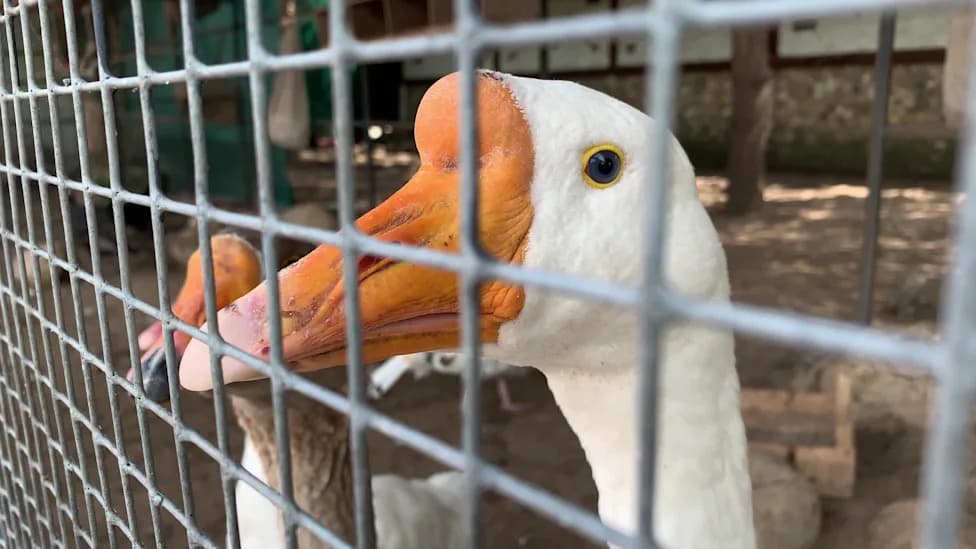
Photo Credit: iStock
Brazil has enacted a nationwide ban on both the production and sale of foie gras, effectively removing the French delicacy from the country’s market and blocking imports. The law, passed by Congress in April and signed by President Luiz Inácio Lula da Silva on July 23, 2024, targets the commercial lifecycle of a product produced from the enlarged livers of ducks and geese—a process critics say depends on force‑feeding (gavage).
What the Law Does
The measure prohibits domestic production and commercial sales of foie gras in Brazil, and it also blocks imports, meaning restaurants, specialty retailers, and importers can no longer legally buy or sell the product. U.S.-based advocacy group Pro-Animal Future said the legislation makes Brazil the first country in Latin America to ban both production and sales of foie gras.
Reactions and Diplomatic Tension
The law prompted diplomatic friction with France. Brazilian officials said French diplomats urged President Lula to veto the bill, describing foie gras as part of cultural tradition and disputing claims that production is inherently cruel. The French industry association CIFOG warned the measure could conflict with the EU-Mercosur trade agreement.
Natalie Fulton, media and content lead at Pro-Animal Future, praised the law: "It's amazing that this covers both sale and production because [Brazil] is taking a very hard stance against a cruel industry."
Marina Lacorte, food systems campaign manager at World Animal Protection, rejected claims that foie gras can be produced humanely: "What constitutes 'good treatment' can be pretty relative, right?"
Context and Impact
Brazil’s domestic foie gras sector was very small before the ban, so the immediate economic impact will mostly fall on importers, upscale restaurants, and specialty shops that sold the product. That likely makes compliance and market transition easier than it would be in countries with a larger domestic industry, though affected businesses have voiced frustration.
Supporters frame the ban as part of a broader shift toward food systems that prioritize animal welfare and reflect changing public values about what agricultural practices should be normalized. Opponents view it as a threat to culinary tradition and a potential source of trade disputes; a 2022 European Union review previously concluded foie gras production complied with certain EU animal welfare rules.
Looking Ahead
Animal welfare organizations are using the ruling as an opportunity to advocate for wider reforms in how animals are treated in food production. The law represents one of the most direct legal steps a country can take to eliminate a practice on both the supply and demand sides.
Reporting referenced: Reuters.
Help us improve.