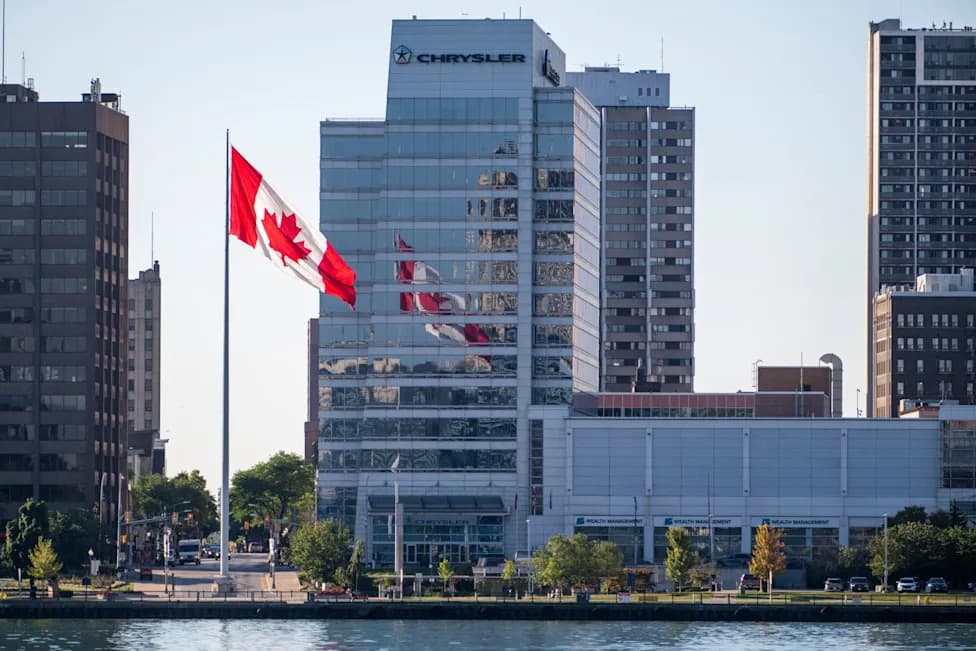
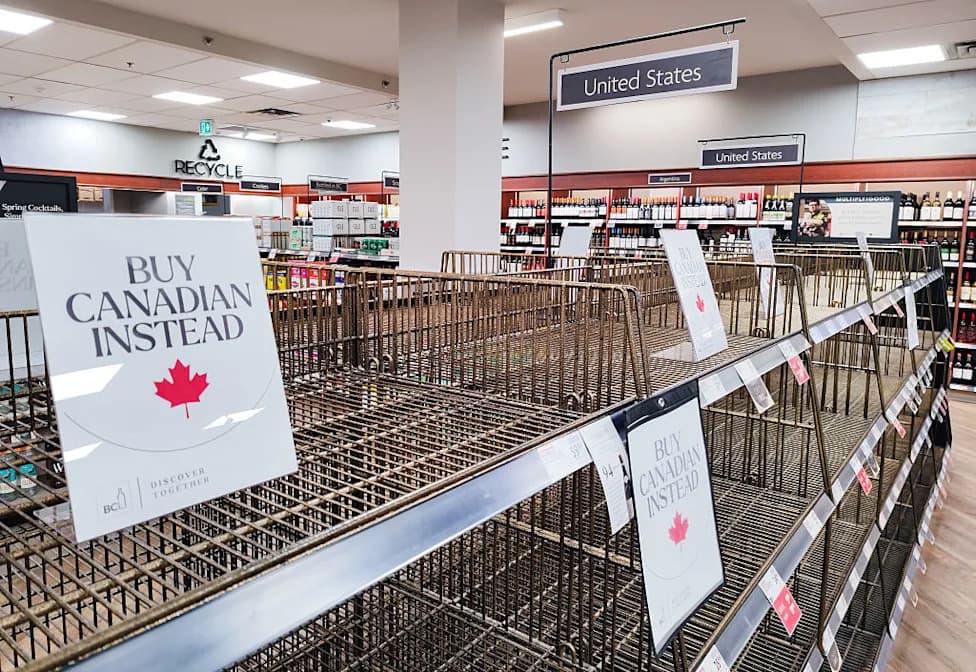
British Columbia Premier David Eby has reaffirmed that B.C. will keep American beer, wine and spirits out of government liquor stores, calling the ban a key bargaining chip in the trade dispute with President Donald Trump. Eby warned that lifting the ban now would betray forestry workers hit by U.S. tariffs and criticized the provincial Conservatives for meeting with U.S. officials. He also said differing provincial strategies, including Alberta’s decision to continue selling U.S. alcohol, have created additional channels for advocacy while talks continue.
B.C. Premier Says U.S. Alcohol Ban Will Stay — Key Leverage in Trade Dispute With Trump
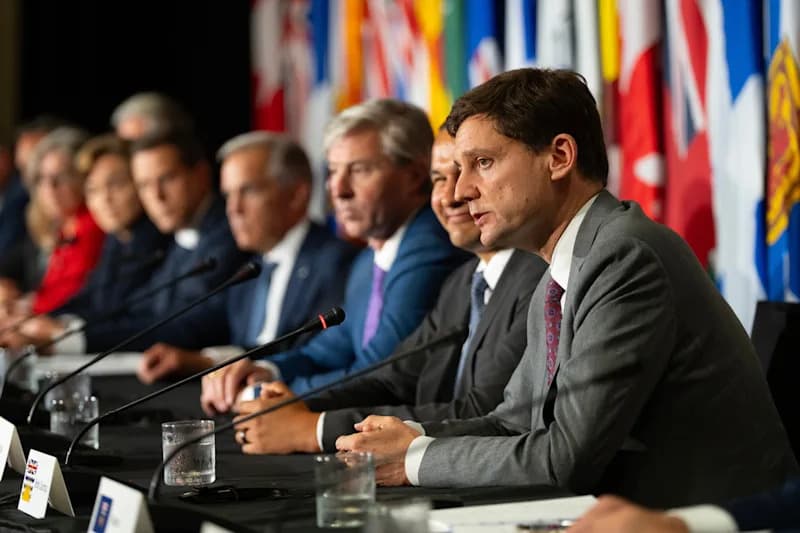
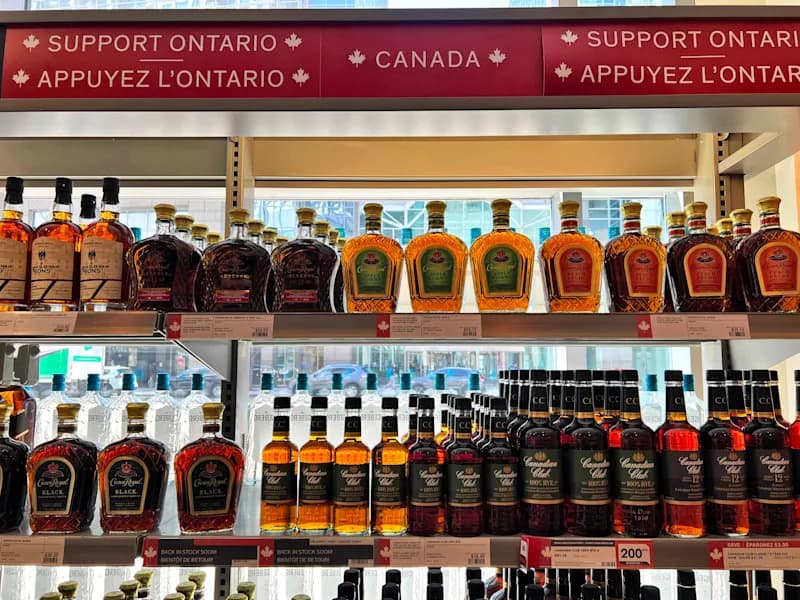
British Columbia Premier David Eby has reiterated that the province will keep American beer, wine and spirits off government-run liquor-store shelves, calling the ban one of Canada’s most effective levers in the ongoing trade dispute with U.S. President Donald Trump.
Eby Defends the Ban
Speaking Tuesday in Surrey, Eby defended the policy against pressure from the provincial Conservative opposition, which has urged the government to lift the boycott as a gesture of goodwill in negotiations with Washington. “We will never put U.S. alcohol back on the shelves,” he said, calling the ban “the only leverage that appears to be catching the attention of the president,” according to CTV News.
Tariffs and Trade Context
The White House last week cited provincial prohibitions on American alcohol when announcing higher tariffs on selected Canadian products, a move that has escalated the bilateral trade dispute. Eby argued that reversing the ban now would be tantamount to abandoning British Columbia’s forestry sector, which continues to face steep U.S. tariffs. “I think that approach for British Columbia is the right approach,” he said, warning that lifting the ban would “sell out” forestry workers and their families.
Political Fallout and Interprovincial Differences
Eby also criticized the B.C. Conservative Party after leader Kerry-Lynne Findlay and several caucus members met privately this month with U.S. Ambassador Pete Hoekstra. Following that meeting, Conservative forestry critic Ward Stamer publicly urged the province to drop the boycott as a bargaining chip to show good faith to U.S. officials. The Conservatives later argued the ban helped provoke Washington’s tariff increase, saying residents are now “paying the price.”
Other provinces have taken different approaches: Alberta Premier Danielle Smith has said her province will continue to sell American alcohol in stores. Eby suggested those differing tactics across provinces have been useful by opening multiple channels of communication with U.S. officials. “One of the strengths of our approach as premiers has been that across the country there have been slightly different levels of engagement with the U.S. administration,” he said.
Meetings With U.S. Officials
Earlier this month Eby met with Ambassador Hoekstra and, according to his office, reaffirmed British Columbia’s commitment to keeping U.S. alcohol off government store shelves until a broader trade resolution is reached. Last week the premier doubled down, saying there is “not a chance in hell” that American alcohol will return to Canadian shelves while the dispute persists.
Why It Matters
The controversy over U.S. alcohol imports has become one of the most visible flashpoints in the wider Canada–U.S. trade conflict, with several provinces removing American alcoholic beverages from government-run liquor stores in response to U.S. tariffs. The dispute highlights how provincial policies and interprovincial differences are shaping Canada’s response to Washington’s trade measures.
Help us improve.