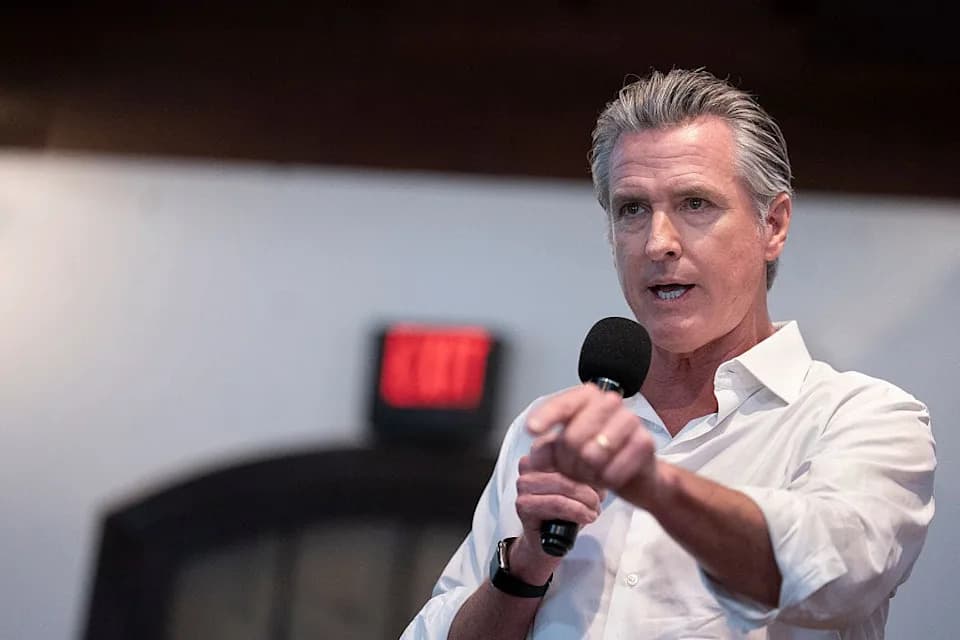
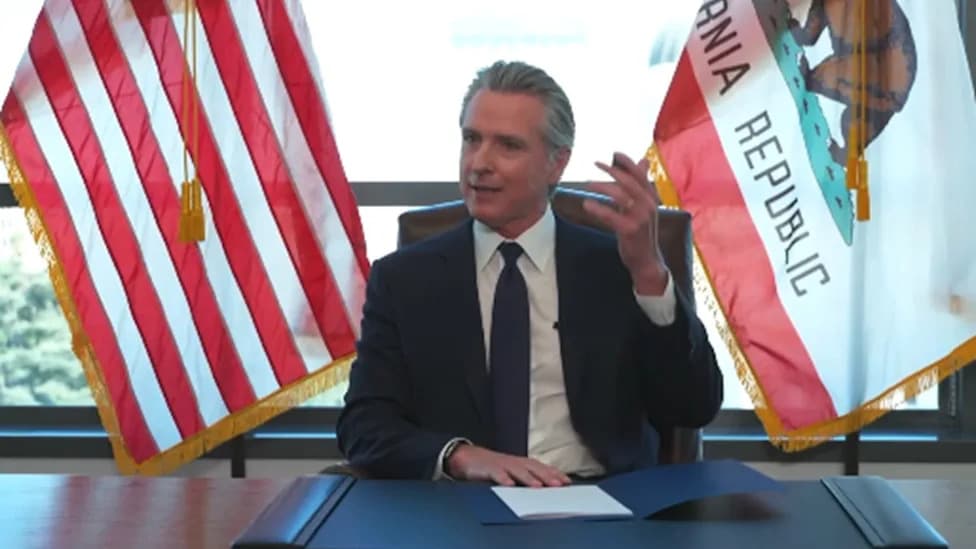
Sonja Shaw accuses Governor Gavin Newsom of using a budget "trailer" bill to transfer day-to-day control of the California Department of Education from the elected superintendent to a governor-appointed official. The change, which Shaw says takes effect in January, was inserted without extended public hearings and even though voters have rejected similar proposals four times. Shaw frames the move as a political response to growing parental activism over academic decline and school policies, and vows legal challenges and continued advocacy if elected.
“He Broke the Glass”: Shaw Accuses Newsom of Using Budget Bill to Strip Power From California’s Elected Schools Chief

Sonja Shaw, who finished first in the primary for California state superintendent of public instruction, says Governor Gavin Newsom executed a prearranged "break the glass" contingency to remove operational authority from the independently elected superintendent’s office. Shaw, a Republican and president of the Chino Valley Unified School District Board, says the change was tucked into a budget "trailer" bill rather than advanced through the regular legislative process or a public vote.

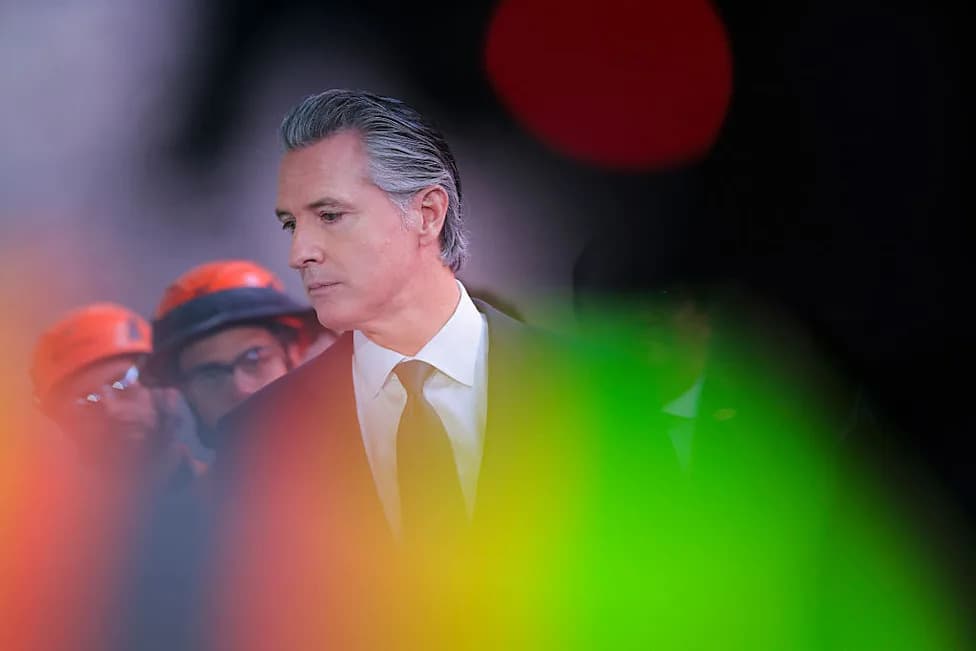
Earlier this year, Gavin Newsom talked about a "break the glass" plan to protect Democrats if things didn't go their way in the California election. Getty Images/iStockphoto
What Shaw Says Happened
According to Shaw, the trailer bill shifts day-to-day control of the California Department of Education — including responsibility for the department budget, curriculum frameworks, and enforcement of state education policy — from the elected superintendent to an unelected bureaucrat appointed by the governor. Shaw says the change takes effect in January.
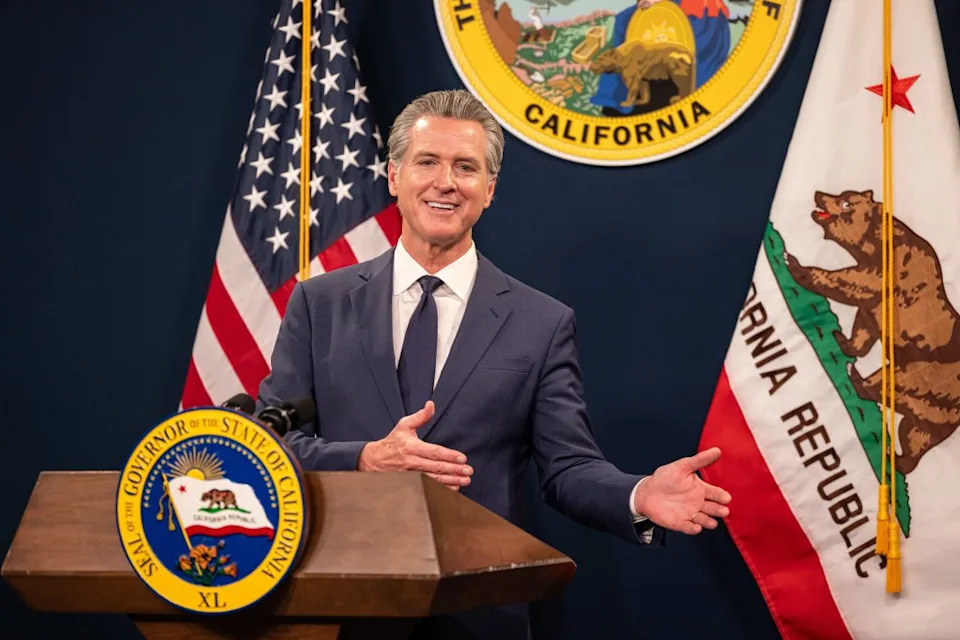
King Gavin rushed into action when I finished first in the primary for state superintendent of instruction, becoming the only Republican running for California statewide office to do so. Associated Press
Timing And Procedure
Shaw emphasizes the timing: the move occurred weeks after parents delivered an electoral surprise by putting her atop the primary results. Rather than pursuing months of committee hearings, public debate, or asking voters directly, she says the change was inserted into a back-room budget maneuver that limited scrutiny.
Instead, Newsom & Co. slipped it into a budget trailer bill, Sacramento's favorite back-door maneuver, avoiding the normal legislative process and meaningful public scrutiny. AP
Context And Concerns
Shaw points out that Californians have rejected reducing the superintendent’s independence at the ballot box four separate times. She frames the recent action as politically motivated — a response to growing parental activism over academic outcomes, classroom politicization, and certain gender-related school policies.

The pandemic exposed how badly the system was failing. zera ruzgar – stock.adobe.com
California spends roughly $149 billion annually on K–12 education, yet Shaw and others note persistent academic challenges: she cites data indicating more than half of students are not reading, writing or doing math at grade level. The pandemic, she argues, exposed and deepened those problems and prompted many parents to become more involved in local school governance.
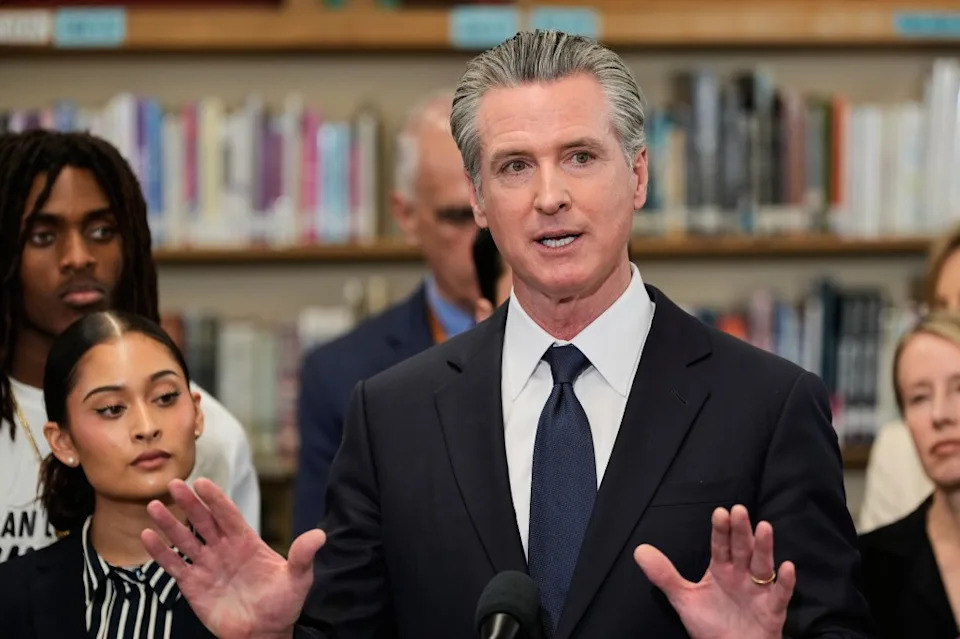
The pandemic exposed how badly the system was failing. AP
Parental Mobilization
Shaw says parents began attending school board meetings, running for office, and demanding a renewed focus on basic literacy, numeracy and transparency. She contends that, rather than responding to these concerns, Sacramento centralized authority — effectively reorganizing the superintendent’s role to answer more directly to the governor.
Next Steps: Legal Challenges And Advocacy
Shaw says the superintendent’s office still retains a public platform, investigatory authority and convening power. She vows to use those tools to push for transparency about academic performance, defend parental rights, and advocate for fairness and privacy in school policies. She also plans to challenge the statutory changes in court and says she has previously litigated against Newsom and his allies.
About the author: Sonja Shaw is president of the Chino Valley Unified School District Board of Education and a candidate for California state superintendent of public instruction.
Help us improve.