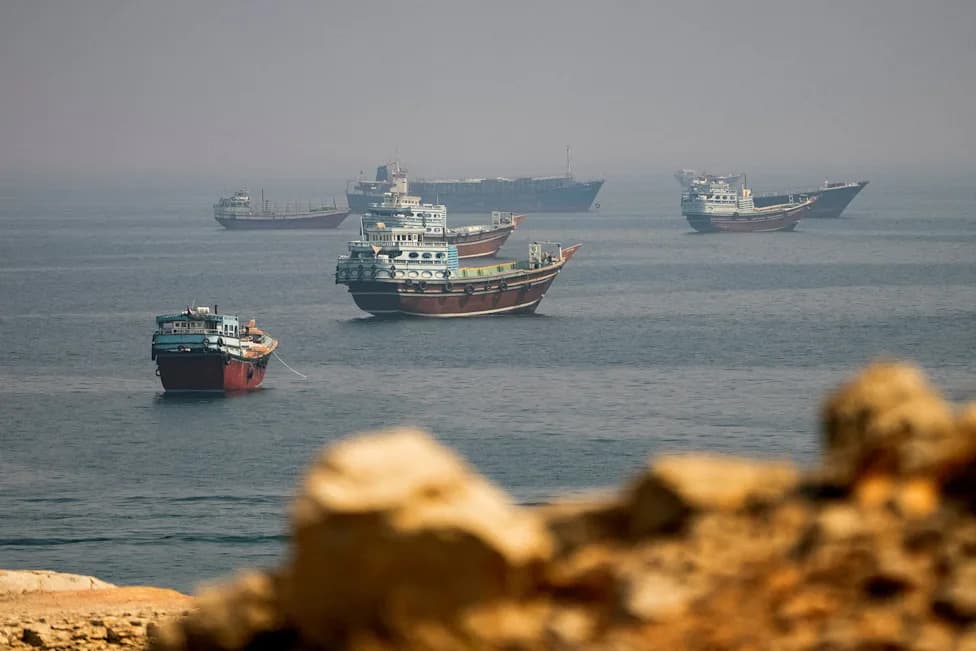
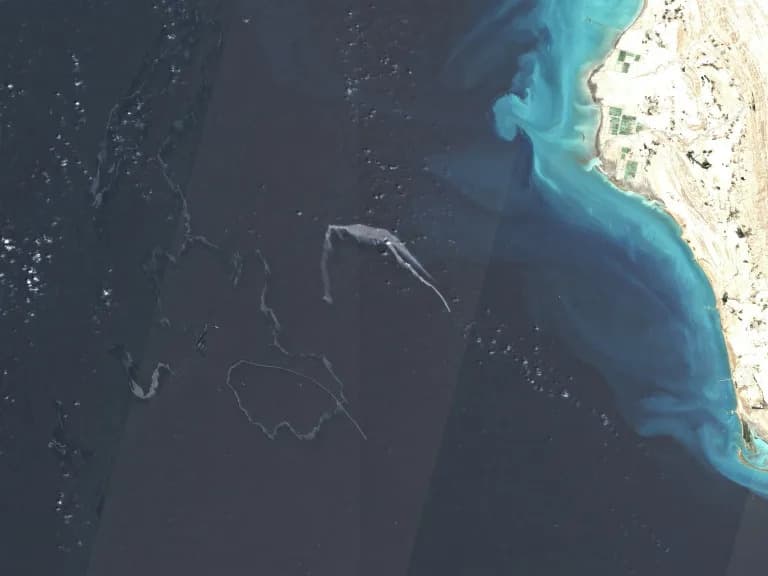
Marine scientists warn that thousands of ships stranded in the Strait of Hormuz amid the US‑Iran conflict could carry invasive species, parasites and pathogens into the Persian Gulf and onward to other ports. A study in Biological Invasions, including WHOI biologist Carolyn Tepolt, cautions that many introduced organisms are extremely difficult to eradicate. Key threats include toxic algae Margalefidinium polykrikoides and the barnacle Amphibalanus improvisus, while warm Gulf waters may amplify spread. Researchers urge coordinated monitoring, stronger vessel cleaning and tougher port inspections.
Strait of Hormuz Bottleneck Could Unleash Wave of Invasive Marine Species
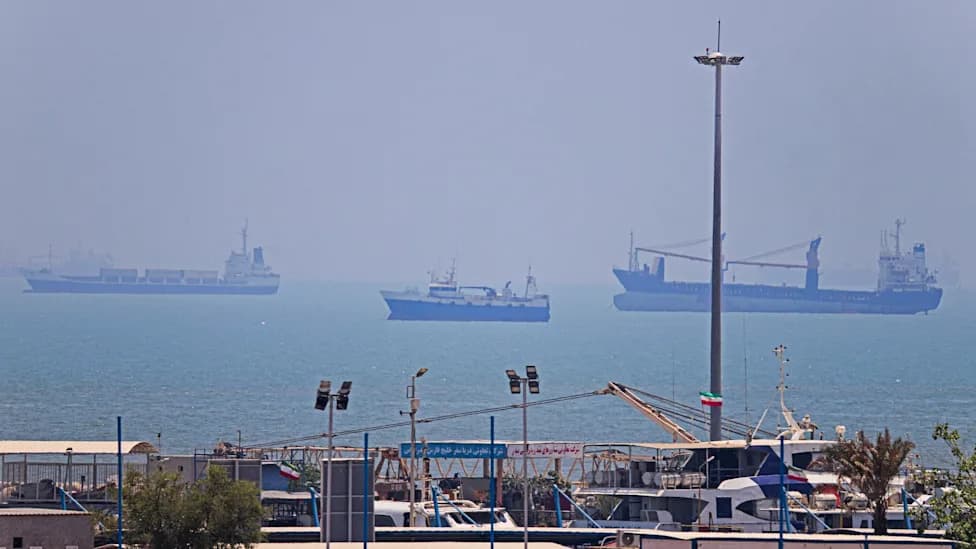
In this picture obtained from Iran's ISNA news agency on June 18, 2026, vessels are seen anchored in Bandar Abbas along the Strait of Hormuz.
Marine scientists warn that the ongoing closure of the Strait of Hormuz amid the United States' conflict with Iran has created a dangerous ecological side effect: thousands of vessels stranded in the Persian Gulf may unintentionally transport invasive species, parasites and pathogens to new ports.
Study Warns of Growing Risk
The risk is detailed in a study published in the journal Biological Invasions by a team that includes Woods Hole Oceanographic Institution (WHOI) marine biologist Carolyn Tepolt. The authors emphasize that many introduced organisms are "extremely difficult, if not impossible" to eradicate once established.
"This disruption to global shipping has many repercussions and has also more quietly created ideal conditions to spread warm-water species to new ports," Tepolt said in a statement.
How Ships Spread Invasive Species
Two common pathways carry non-native species between regions: hull biofouling (organisms attached to the outside of ships) and ballast water (organisms living inside tanks). These vectors have transported harmful organisms for centuries — for example, the European green crab (Carcinus maenas) spread via shipping routes in the 1800s and now occurs on every continent except Antarctica. The brown tree snake (Boiga irregularis) likely arrived in Guam aboard ships in the 1950s and contributed to extinctions of native species there.
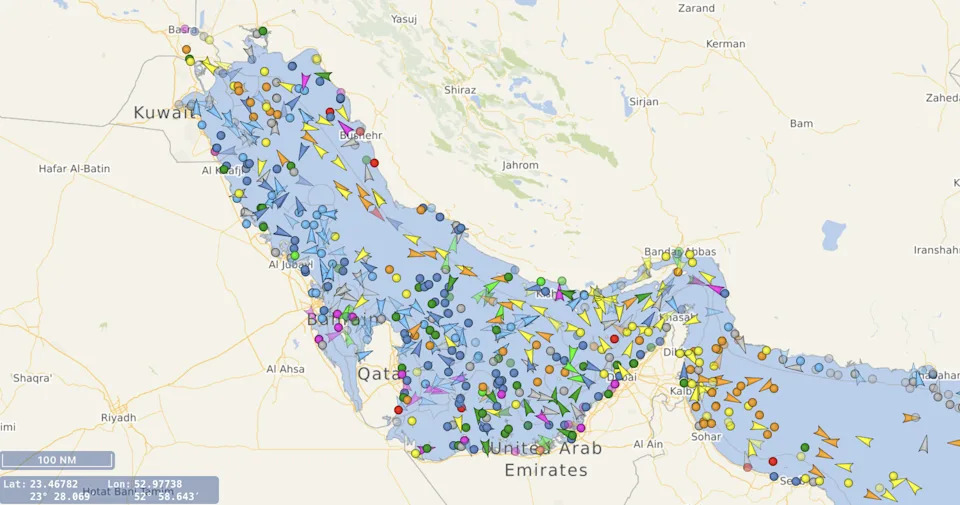
Vessels remain stranded in the Strait of Hormuz as of July 28, 2026. Credit:Vessel Tracker
Local Threats in the Persian Gulf
The study highlights marine threats that often remain at sea rather than on land. Margalefidinium polykrikoides is a toxic red algae known to dwell in ballast water and trigger fish-killing blooms at ports. The bay barnacle Amphibalanus improvisus tolerates a wide range of salinities, competes with native organisms and can foul intake pipes at industrial and power facilities.
Warming Waters Amplify the Problem
The Persian Gulf's warm conditions may worsen the risk: higher sea temperatures can boost reproduction in many invasive species and select for more heat-tolerant offspring, making future control and eradication even harder.
What Scientists Recommend
The authors call for coordinated international monitoring of biofouling and ballast-water transfers, stepped-up mitigation and routine vessel cleaning, and strengthened inspection and quarantine protocols at ports that receive previously stranded ships. If and when routes reopen, early detection and rapid response at receiving ports will be critical to limit new invasions.
Context: Vessels remained stranded in the Strait of Hormuz as of July 28, 2026. While human and economic consequences of the conflict remain priorities, researchers caution that ecological impacts cannot be ignored.
Help us improve.