U.N. Command deputy commander Lt. Gen. Scott A. Winter said the UNC remains a central stabilizing force on the Korean Peninsula 76 years after its founding. The UNC's two core missions are enforcing the 1953 armistice and coordinating multinational contributions during crises. It still conducts twice-daily hotline calls with the Korean People's Army to prevent miscalculation. Winter warned that growing North Korea–Russia ties raise security risks and underscored that multilateral coalitions strengthen deterrence while creating space for a political settlement.
U.N. Command at 76: Multinational Force Remains Cornerstone of Korean Peninsula Stability
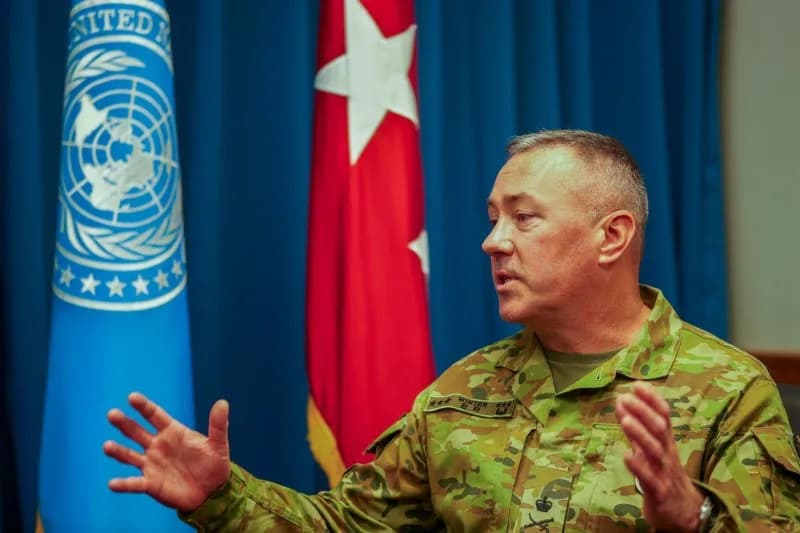
Australian Army Maj.Gen. Scott Winter, deputy commander of United Nations Command, speaks during an interview at UNC headquarters on Camp Humphreys, a U.S. military base in Pyeongtaek, on July 7. File Photo by Thomas Maresca/UPI
Seventy-six years after the United Nations Command (UNC) was created to help repel North Korea's 1950 invasion, the multinational force continues to be a central pillar of stability on the Korean Peninsula, UNC Deputy Commander Australian Army Lt. Gen. Scott A. Winter said after a July 7 ceremony at Camp Humphreys in Pyeongtaek, about 35 miles south of Seoul.
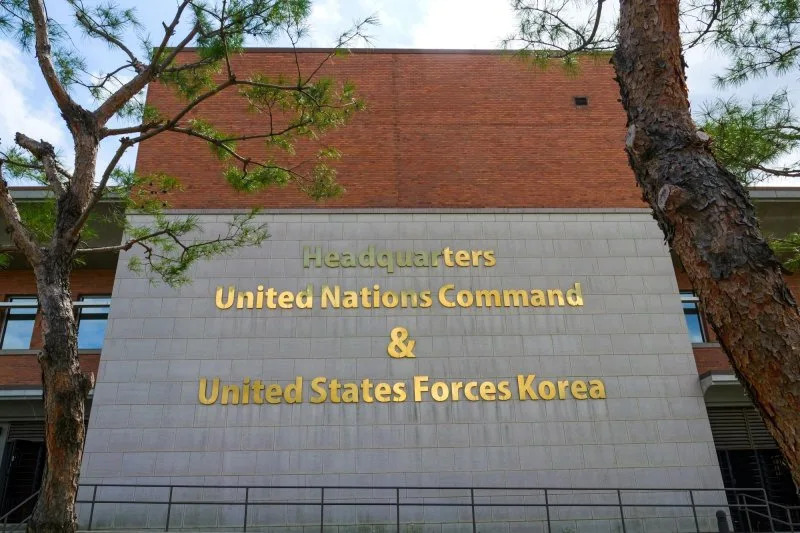
The headquarters of the United Nations Command and United States Forces Korea is seen at Camp Humphreys in Pyeongtaek. File Photo by Thomas Maresca/UPI
Two Core Missions
Winter emphasized that the UNC's responsibilities have expanded since its wartime origins, but remain grounded in the 1953 armistice that halted active combat. "One is to enforce the armistice, which is a sacred duty that we take every day. The other is to coordinate sending-state contributions in times of crisis or conflict," he told UPI.
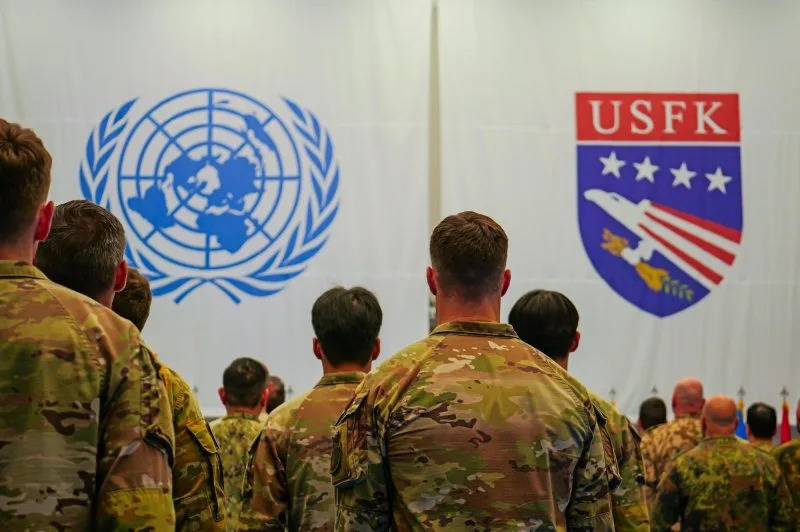
Soldiers attend a ceremony marking the 76th anniversary of the founding of the United Nations Command at UNC headquarters on Camp Humphreys on July 7. File Photo by Thomas Maresca/UPI
Hotline and Daily De‑confliction
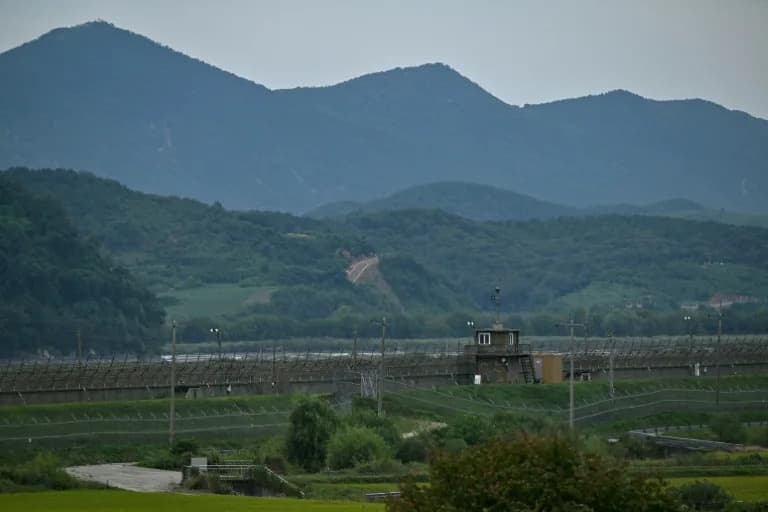
The UNC continues to oversee implementation of the armistice and maintains a rare, direct communications channel with North Korea's military. Winter said the command conducts routine telephone exchanges twice daily with the Korean People's Army via the military hotline, commonly known as the "pink phone." These calls, he said, help de-conflict activities and avoid miscalculation — for example during recent firefighting operations inside the Demilitarized Zone.
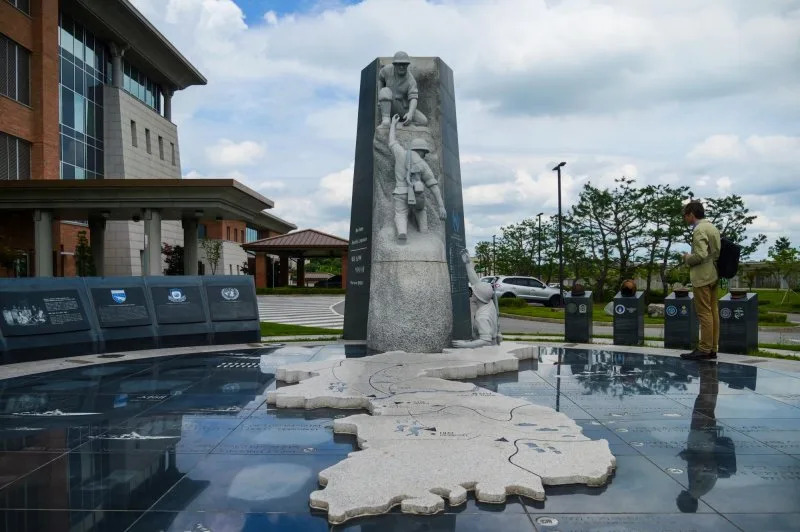
A Korean War monument is on display at the U.N. Command's headquarters on Camp Humphreys, File Photo by Thomas Maresca/UPI
History and Legacy
Established by a U.N. Security Council resolution on July 7, 1950, the UNC initially united forces from 22 countries under U.S. leadership after the North's invasion. More than 1.9 million service members from UNC member states served in combat, medical and logistical roles during the Korean War. Active fighting ended with the armistice signed on July 27, 1953 — an arrangement that ended hostilities but was not a formal peace treaty, leaving the two Koreas technically at war.
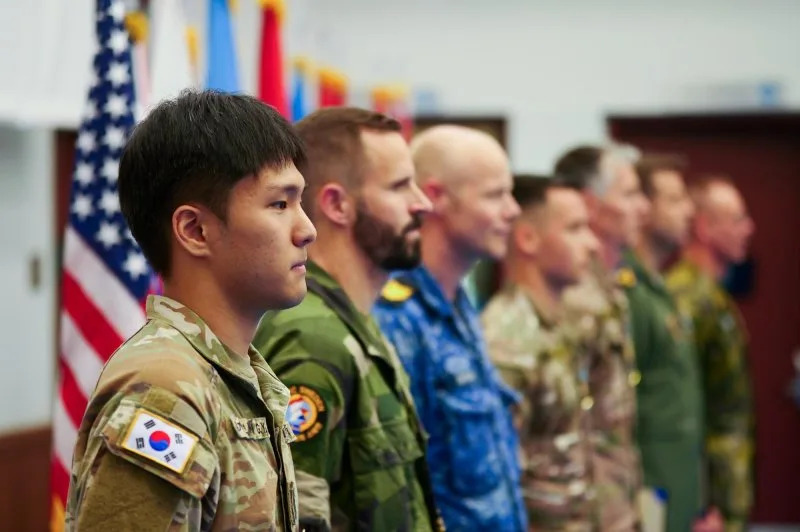
Soldiers stand after receiving commendations at a ceremony marking the 76thanniversary of the founding of the United Nations Command at UNC headquarterson Camp Humphreys on July 7. File Photo by Thomas Maresca/UPI
Rising Risks: North Korea And Russia
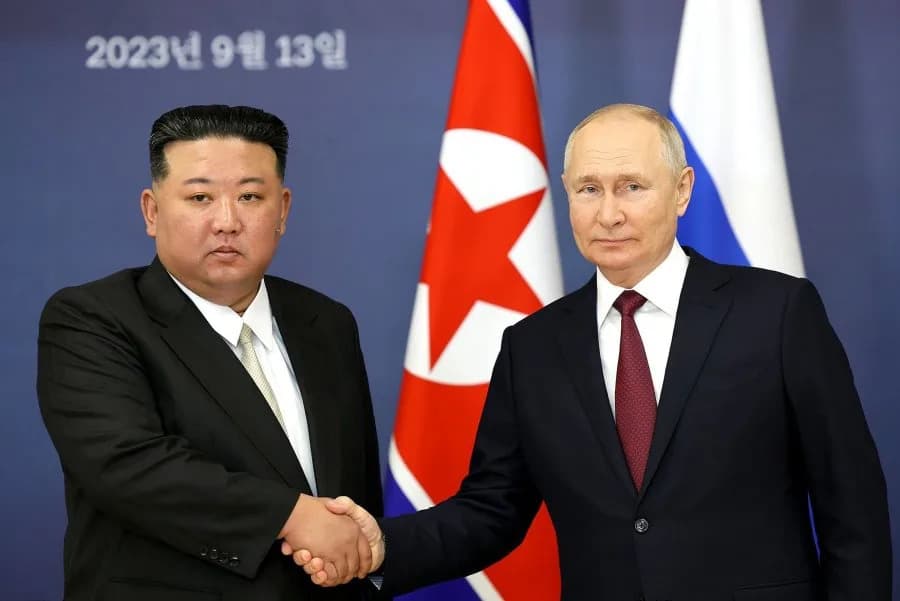
Winter warned that North Korea's deepening ties with Russia — including reported personnel transfers related to Moscow's war in Ukraine — raise the regional security stakes. "The growing nexus between North Korea and Russia is a reminder for all of us of the global nature of these security threats," he said. "It's clear that North Korea has gained both contemporary battlefield experience and exposure to technology." He argued this development makes it essential for the UNC to adapt and strengthen its deterrence posture.
Multinational Deterrence And Readiness
Winter said the UNC's multinational composition bolsters deterrence by demonstrating international commitment to peninsula security. "The more flags that we bring together, the more we can provide multinational legitimacy during periods of peace, the more we contribute to deterrence," he said. He also stressed the practical benefit of having an established coalition ready before a crisis: assembling partners in advance is far easier than trying to build a coalition amid conflict.
Outlook
While South Korea's current administration has expressed interest in reducing tensions with Pyongyang and pursuing a formal peace regime, Winter said the UNC would remain relevant even if the armistice were replaced. He noted the armistice was intended to create space for a political settlement, not to be a permanent arrangement, and welcomed any steps toward a political solution.
"Seventy-six years ago, nations came together because they understood that's what it would take to prevent further aggression," Winter reflected. "The importance of multilateralism, the importance of building coalitions of the willing with like-minded countries, because the alternative is unthinkable."
As conflicts elsewhere persist, the UNC's history and continued multinational presence reinforce its role as a stabilizing force and a framework for deterrence on the peninsula.
Help us improve.