Houthi forces say they fired ballistic missiles at the Saudi oil tanker NCC GHAZAL after declaring a maritime blockade on July 20. UKMTO reported an explosion but said the crew were safe and no environmental damage was seen. The Houthis also claimed recent strikes on the tankers Encelia and Layla. The incidents heighten security concerns at the Bab al-Mandeb, a vital chokepoint that handled about 4.1 billion barrels of oil and products in 2024.
Houthis Claim Ballistic Missile Strike On Saudi Tanker NCC GHAZAL — Shipping Risks Rise
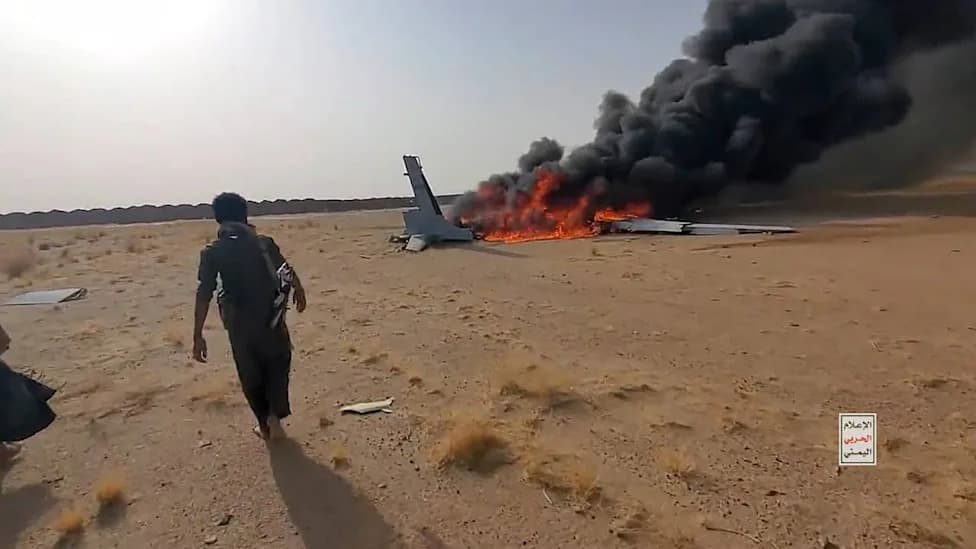
A Houthi rebel walks towards the burning wreckage of a downed Saudi drone, in the northwest of Yemen's al-Jawf governorate [File: AFP]
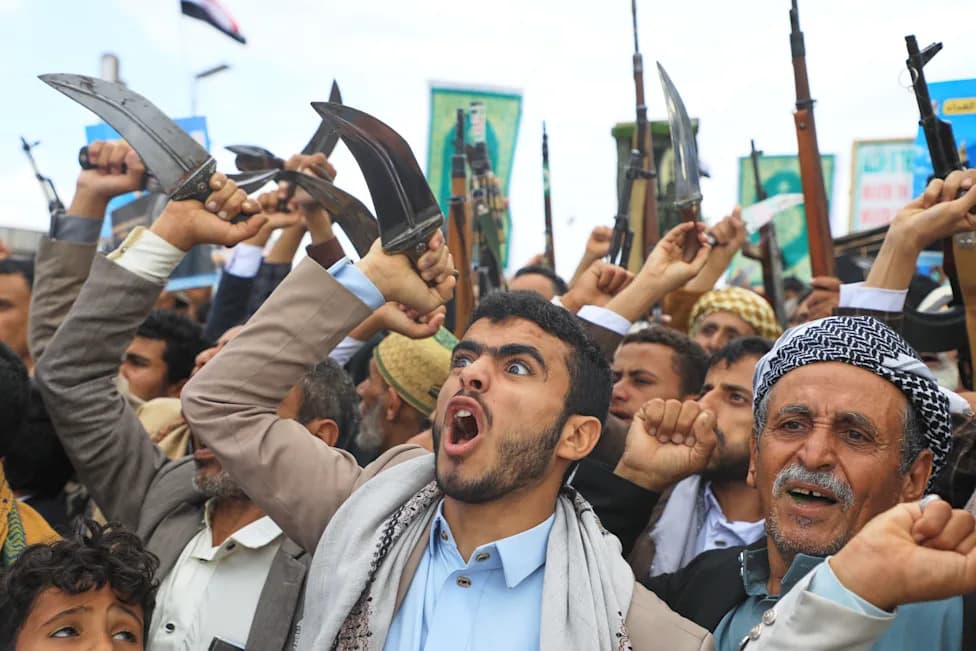
The Iran-aligned Houthi movement in Yemen says it fired ballistic missiles at the Saudi oil tanker NCC GHAZAL in the Red Sea, an operation it says followed a self-declared naval blockade of Saudi-flagged vessels.
In a post on X, Houthi military spokesman Yahya Saree said the group 'carried out a military operation targeting the Saudi oil tanker (NCC GHAZAL) for violating the maritime navigation ban' and that several ballistic missiles were fired, forcing the vessel to turn back.
The UK Maritime Trade Operations (UKMTO), a maritime security monitor, reported that a tanker recorded an explosion while transiting the Red Sea, and added that the crew were safe and no environmental damage was observed. Saudi state media separately reported that another vessel, the Encelia, had been struck; authorities said crew members were safe.
Context
The Houthis seized Yemen's capital, Sanaa, in 2014 and have since fought the internationally recognised Yemeni government, which is backed by Saudi Arabia. On July 20 the group announced a maritime blockade of Saudi vessels, accusing Riyadh of imposing an 'unjust and oppressive siege' on Yemen for nearly 12 years and saying Yemen reserves 'the right of our great people to respond to the blockade with a blockade.'
The movement also claimed attacks last week on two other Saudi tankers, the Encelia and the Layla, citing violations of the blockade decision.
Strategic And Market Implications
The incidents raise security concerns for the Bab al-Mandeb chokepoint, which links the Red Sea to the Gulf of Aden and is a key route for ships bound to and from the Suez Canal. At its narrowest point the strait is about 29 km (18 miles) wide, channeling traffic into two main lanes. In 2024 roughly 4.1 billion barrels of crude oil and refined products — about 5% of the global total — passed through the strait.
Note: Independent confirmation of a direct Houthi strike on the NCC GHAZAL was not available at the time of reporting; official and third-party maritime sources reported an explosion and said crew were safe.
Analysts say sustained attacks or blockades in the area could disrupt global shipping, raise insurance and security costs for vessel operators, and put upward pressure on energy markets if disruptions persist.
Help us improve.