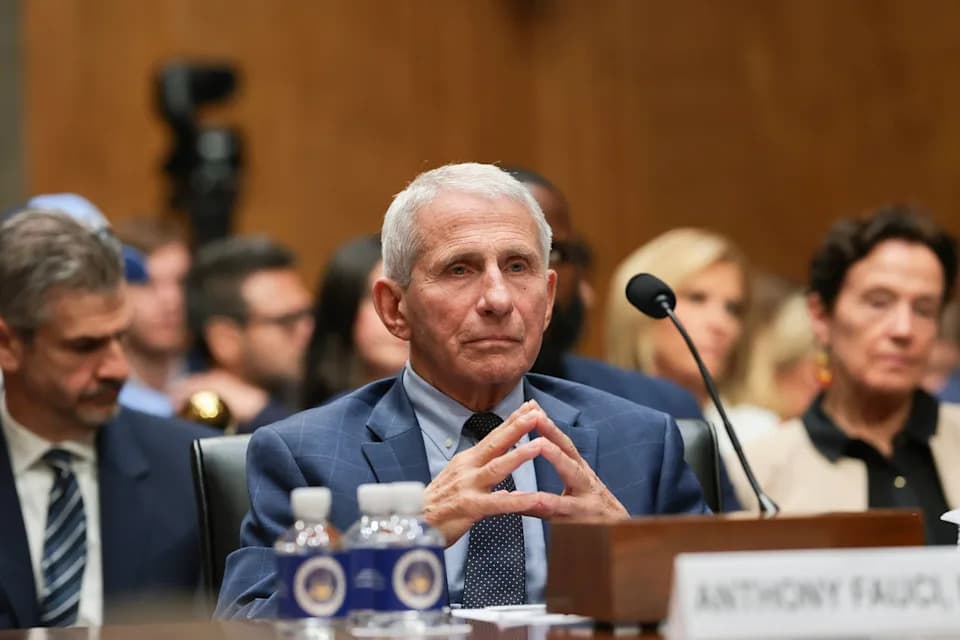
Sen. Rand Paul has called Dr. Anthony Fauci to testify July 29 before the Senate Homeland Security Committee about 1,500+ pages of diary excerpts, public comments about former President Trump, and the origins of COVID-19. The diary documents early pandemic deliberations, infection tallies and candid assessments of leadership decisions. Expect sharp questioning on the Wuhan Institute and U.S. funding, amid defenses from public-health experts who warn the hearing could become partisan rather than a constructive review of lessons learned.
Fauci to Testify July 29: Diary Excerpts, Trump Criticism and COVID Origins Take Center Stage
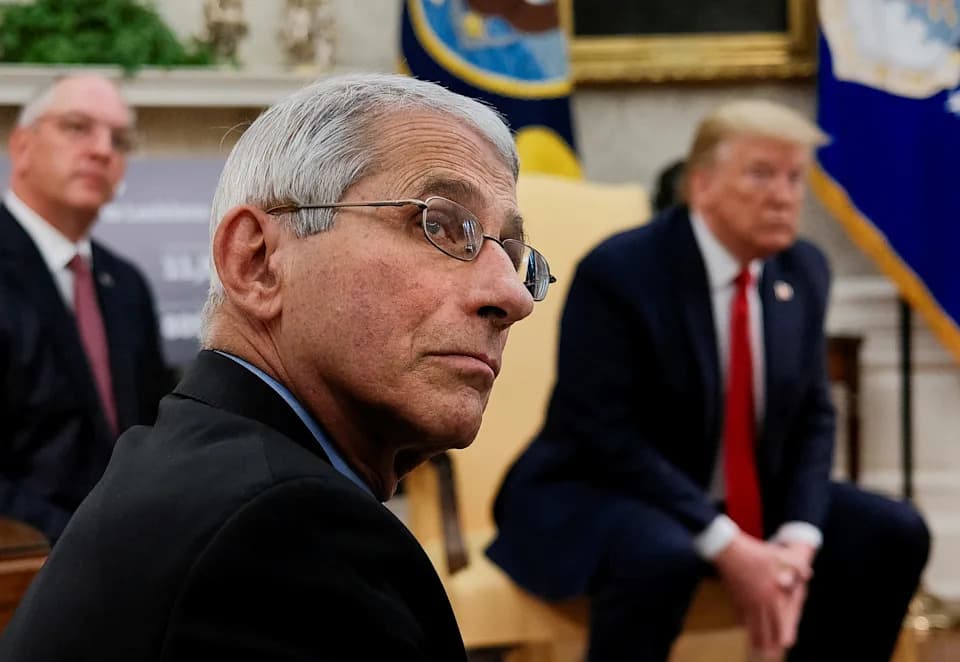
National Institute of Allergy and Infectious Diseases Director Dr. Anthony Fauci attends a coronavirus response meeting between U.S. President Donald Trump and Louisiana Governor John Bel Edwards in the Oval Office at the White House in Washington, U.S., April 29, 2020.
Sen. Rand Paul (R-Ky.) has summoned Dr. Anthony Fauci to testify before the Senate Homeland Security Committee on July 29 about excerpts from his subpoenaed diary, public comments about former President Donald Trump, and questions over the origins of COVID-19 and the federal pandemic response.
Fauci, the longtime director of the National Institute of Allergy and Infectious Diseases who served under seven presidents and became the public face of the U.S. COVID response, is expected to face sustained scrutiny from Republican committee members who have previewed tough questioning.
Background
Paul released more than 1,500 pages of diary excerpts that document internal government conversations during the early months of the pandemic and later periods. The entries include near-daily tallies of infections and deaths, references to unusual pneumonia cases in China, and descriptions of China's early city shutdowns. They also capture candid observations about interactions with President Trump and Fauci’s abrupt rise to public prominence.
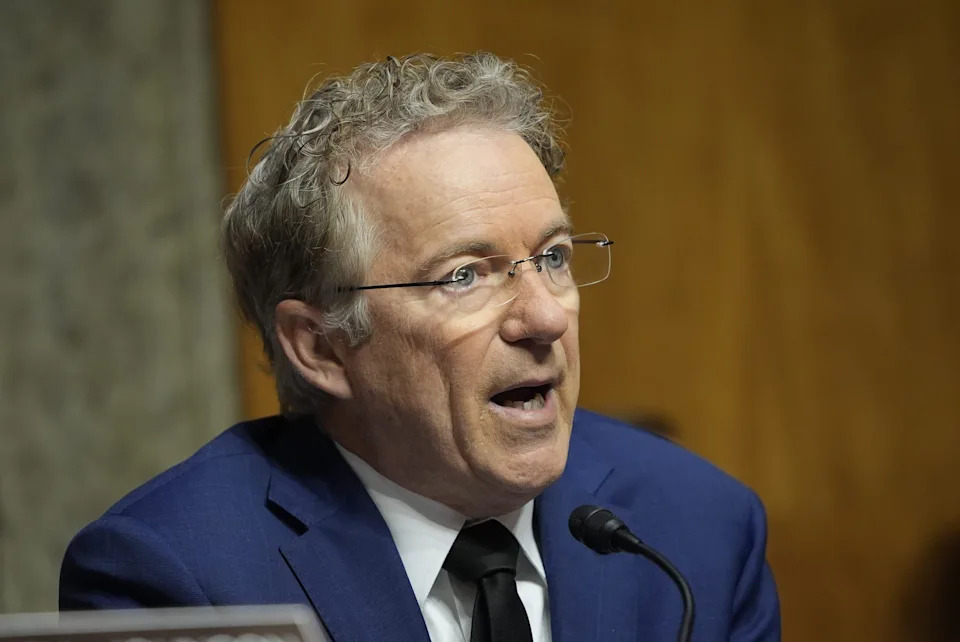
Chairman Sen. Rand Paul, R-Kentucky, speaks during a confirmation hearing for Sen. Markwayne Mullin, R-Oklahoma, to be the next Secretary of the Department of Homeland Security on March 18, 2026.
What To Watch
1. The Diary Excerpts
Many entries chronicle evolving scientific information in real time. Two notes that drew attention: a Jan. 26, 2020 entry in which Fauci wrote "GAME ON!!" after a briefing that mentioned a 1–14 day incubation period and possible asymptomatic transmission, and a Jan. 31, 2020 entry recommending a convening of evolutionary biologists and virologists to examine competing hypotheses about the virus’ origins. The released material also contains critical passages about Trump’s handling of reopening and a description of a frosty public relationship.
2. Questions About Origins And Funding
Paul is expected to press Fauci on the Wuhan Institute of Virology’s role in the pandemic and on whether U.S. funding could have contributed to the virus’ emergence. In his diary, Fauci described early speculation about engineered origins and recommended bringing experts together to evaluate hypotheses. Later entries state his view that it was "molecularly impossible" for U.S. funding to have created the virus. Scientific and intelligence assessments since then have produced differing conclusions and varying levels of confidence, leaving the origin question unresolved.
3. Political Context And Scientific Defense
The hearing takes place in a highly partisan environment. Public-health experts and dozens of physicians have defended Fauci, arguing that scientific guidance evolved as new evidence emerged and warning against politicizing public-health institutions. More than 150 medical and research professionals signed a letter on July 28 condemning what they described as ongoing vilification of scientists and cautioning that cuts to public-health agencies could undermine U.S. leadership in research and innovation.
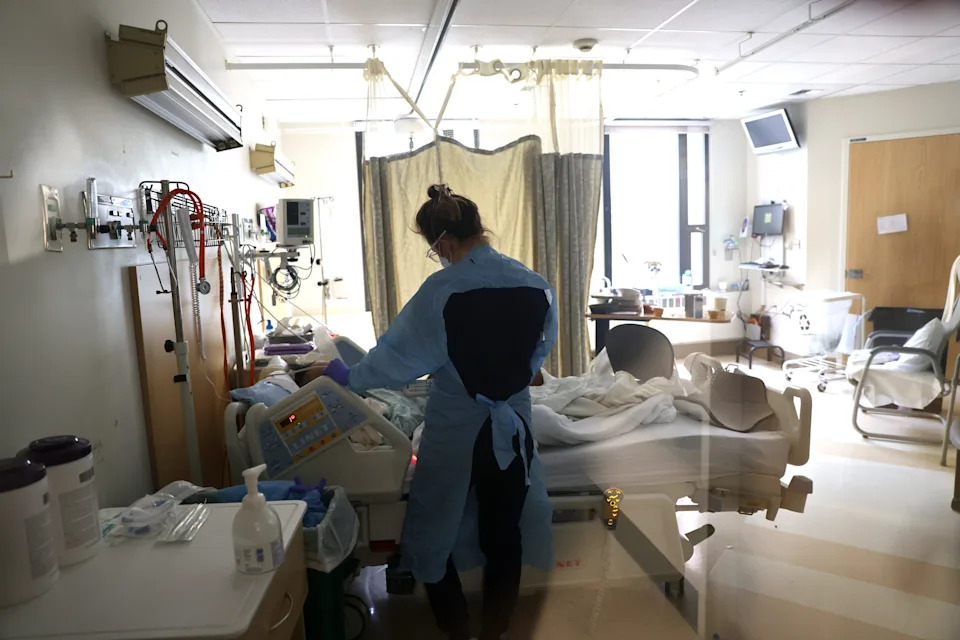
Nurse Elisa Gilbert checks on a patient in the acute care COVID-19 unit at the Harborview Medical Center on Jan. 21, 2022 in Seattle, Washington.
Voices And Perspectives
"There are those who would say this is about accountability for what happened during the pandemic. I think others would say that this is a witch hunt in terms of what was released from Dr. Fauci's diary," said Dr. Celine Gounder, an infectious-disease physician and epidemiologist.
Observers say a productive congressional review would focus on lessons learned: what worked, what failed, and how to strengthen public-health preparedness for future outbreaks. Critics worry the hearing will center on partisan attacks rather than constructive reforms.
Documents related to Wuhan lab funding were declassified and publicly released in June, and this hearing is the first congressional session addressing those materials since then. International efforts to determine the virus’ origin continue: academic studies and reports from global health bodies and intelligence agencies have offered competing conclusions, some with low confidence levels and unresolved gaps due to limited access to key data.
This hearing will be watched closely for both substantive disclosures and political theater as lawmakers, scientists and the public weigh accountability, transparency and the path forward for U.S. public-health policy.
Help us improve.