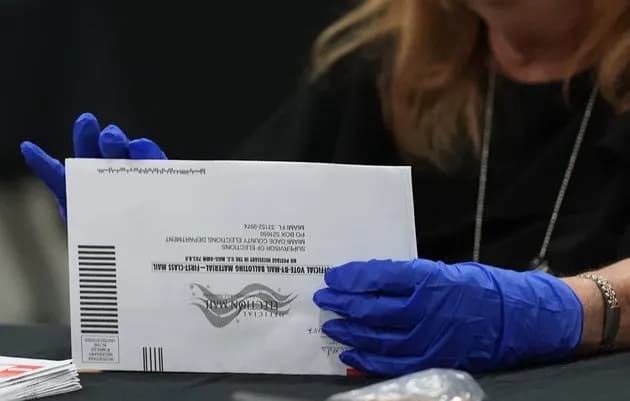
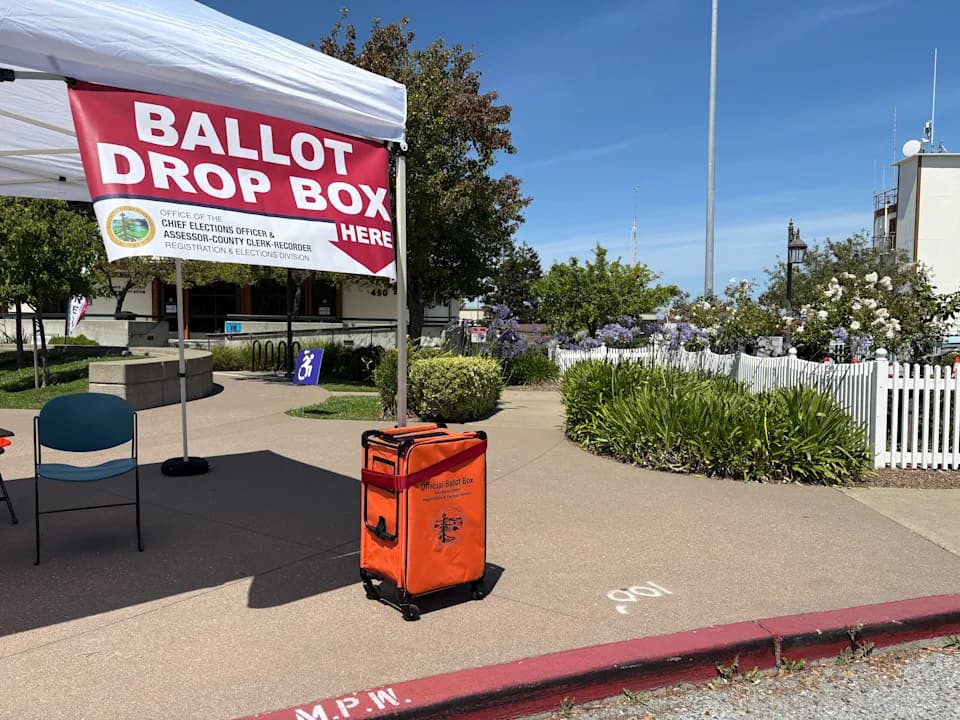
The D.C. Circuit Court recently affirmed a lower court that a Democratic lawsuit challenging President Trump's mail-in voting executive order was premature, leaving the case for now. The order directs DHS to compile a national citizenship registry and contemplates asking USPS to withhold mail-in ballots from states that don't share voter registration data. The appeals court said plaintiffs can seek relief if agencies implement the order unlawfully. Critics say the executive order, together with the SAVE Act, could amount to coordinated efforts to restrict voting ahead of the midterms.
Appeals Court Says Lawsuit Against Trump Mail-In Voting Order Is Premature — For Now
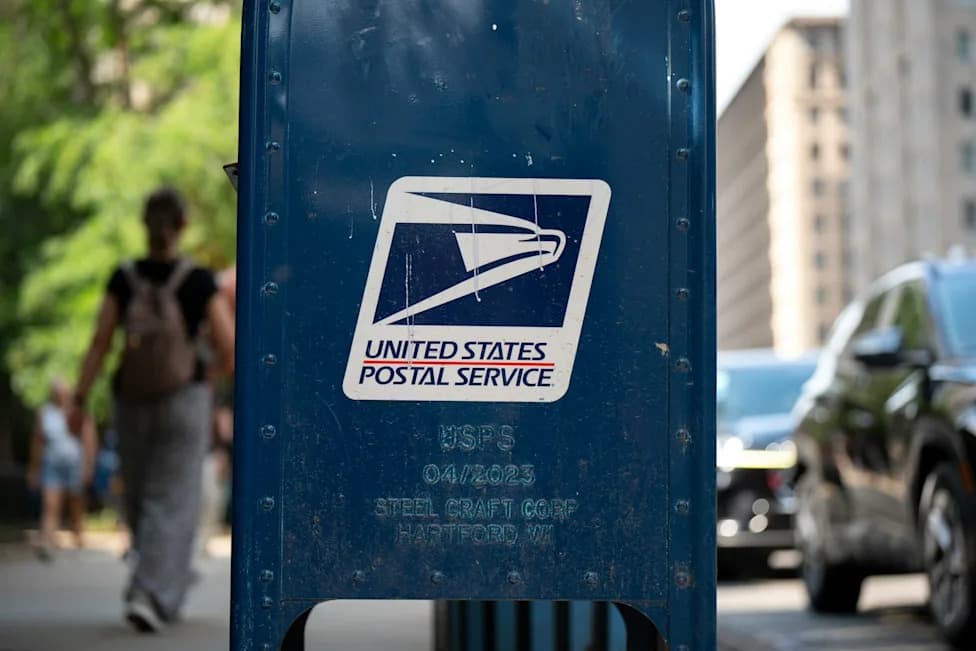
Trump Gets Major Legal Victory on Mail-In Voting Restrictions—for Now
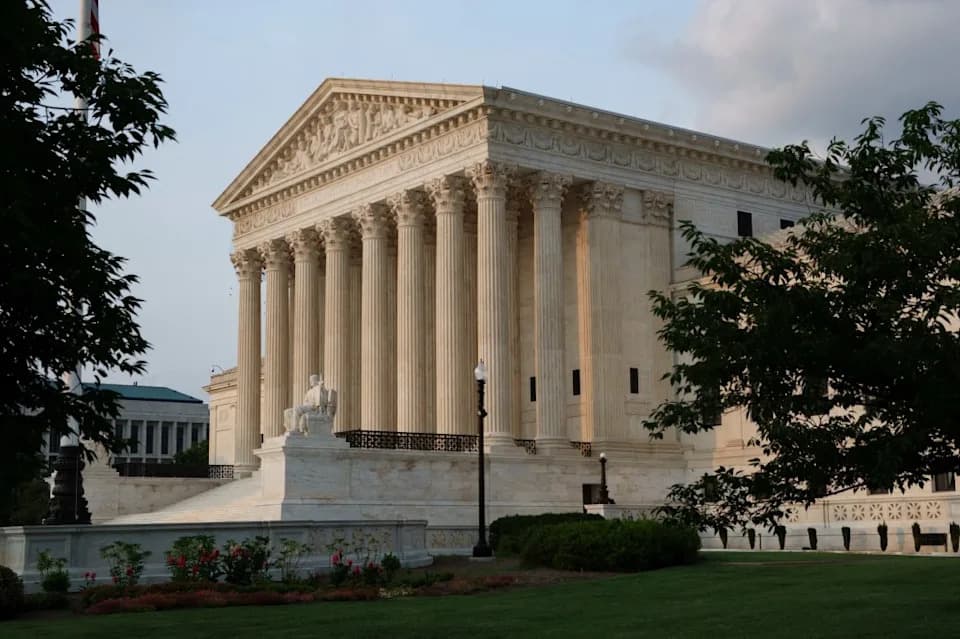
The U.S. Court of Appeals for the D.C. Circuit this week affirmed a lower court ruling that a Democratic lawsuit challenging President Donald Trump's executive order on mail-in voting was premature. The decision leaves in place, at least temporarily, an order that instructs federal agencies to compile citizenship data and contemplates withholding mail-in ballots from states that do not share voter registration information with the federal government — a change critics say could affect the midterm elections just weeks away.
What the Executive Order Would Do
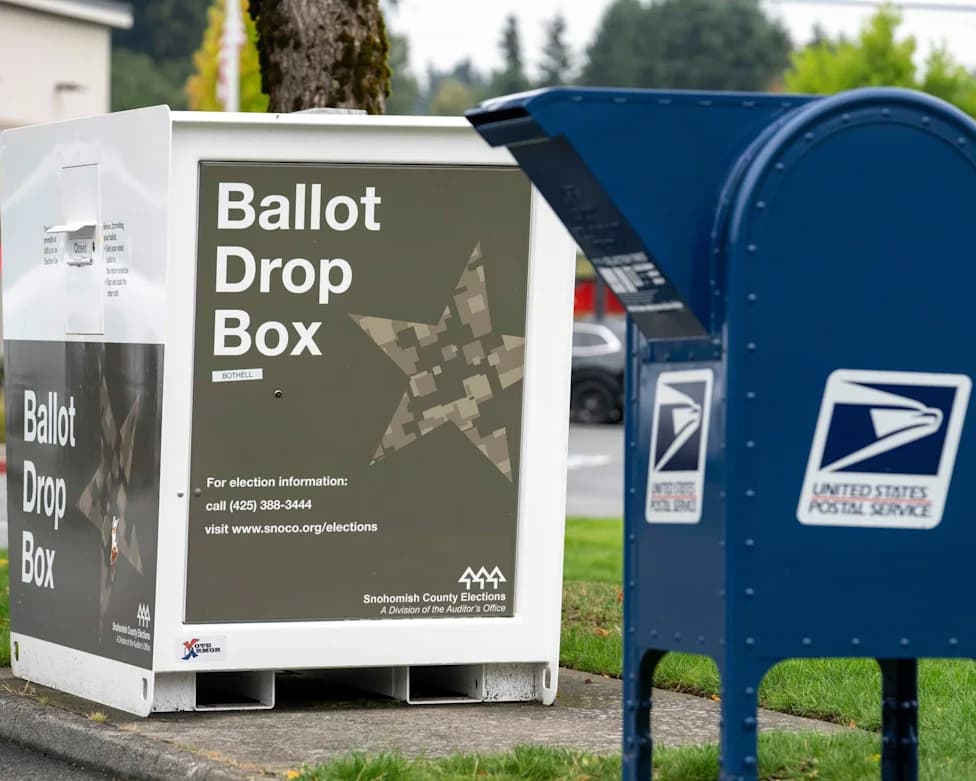
The executive order directs the Department of Homeland Security (DHS) to work toward a national citizenship registry and tasks the U.S. Postal Service (USPS) with withholding mail-in ballots from states that do not provide voter registration data to the federal government. Supporters argue the measures aim to protect election integrity; opponents call them an unprecedented intrusion into state-administered elections and a potential form of voter suppression.
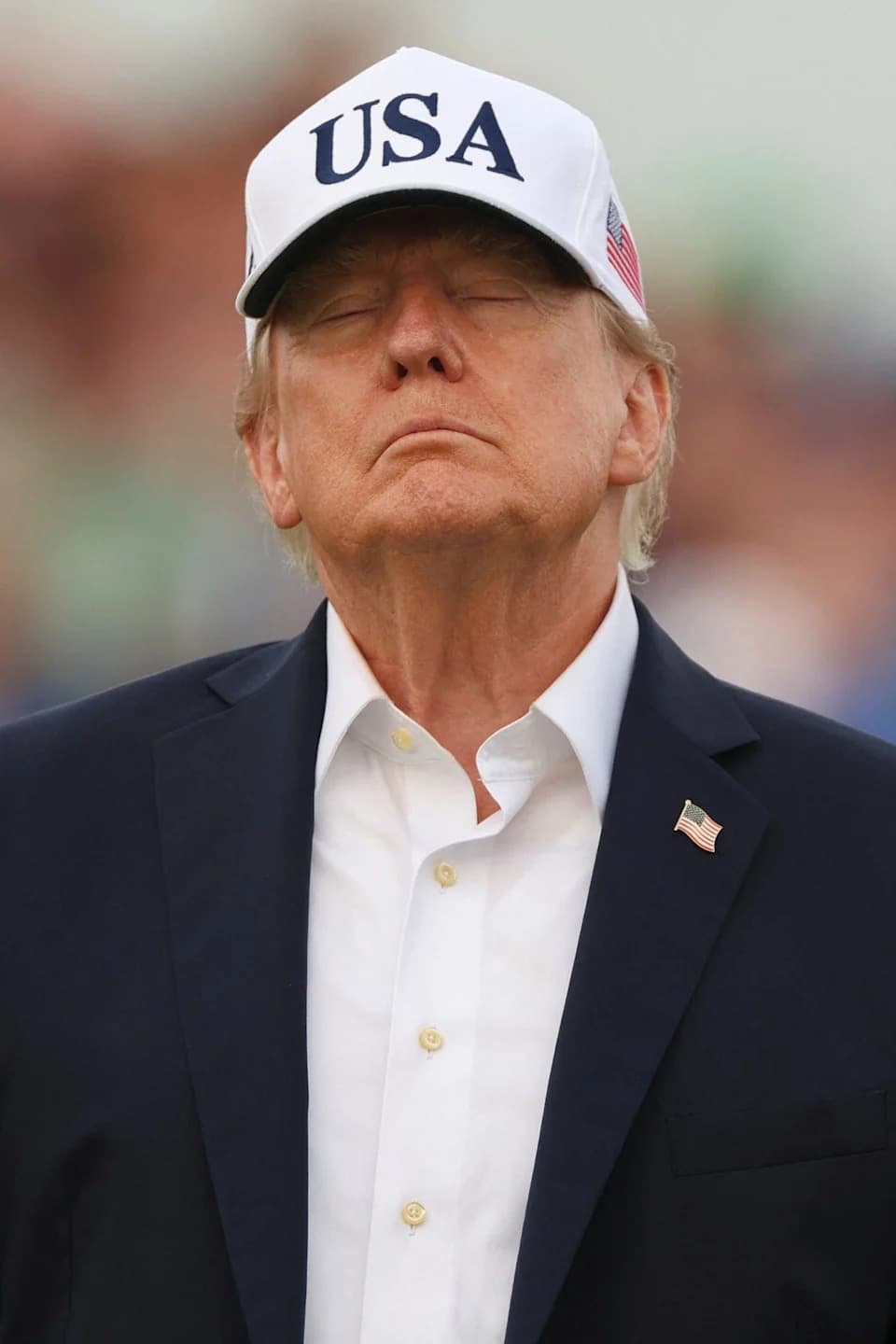
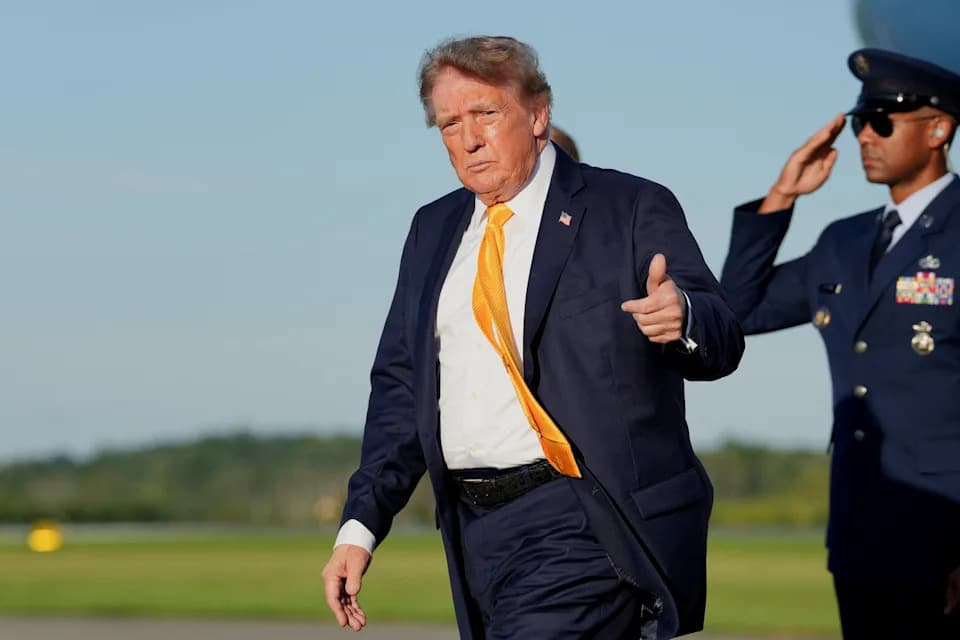
"Cheating on mail-in voting is legendary. It's horrible, what's gone on," Trump said while signing the order in March. "Democrats want to use it for cheating… I think this will help a lot with elections."
Legal Sequence And Court Ruling
The Justice Department asked the Supreme Court to take up the case, describing the Democratic challenge as "premature" and "hypothetical" because the executive order had not yet been fully implemented by DHS or USPS. The D.C. Circuit agreed with that reasoning, finding that the plaintiffs were contesting the lawfulness of proposed actions that had not been carried out. The appeals court noted that if the agencies implement the order in a way that violates federal law or the Constitution, the plaintiffs can promptly seek relief.
The court's decision does not resolve the underlying legal questions; it simply declines to rule on claims that are based on potential, not actual, agency conduct. That leaves the door open for future challenges if and when specific agency actions occur under the order.
Context And Reactions
Election experts and multiple studies have found mail-in voting to be a secure and reliable method of voting used across party lines. President Trump has himself voted by mail in prior elections, a fact critics point to when noting his recent public criticisms of the practice.
The ruling also comes amid congressional debate over the SAVE Act, legislation the White House supports and that critics describe as broad, potentially suppressive changes to voting rules. Voting-rights advocates and Democratic officials warn that the combined effect of the executive order and proposed legislation could reduce turnout among groups that typically favor Democrats.
With the midterms approaching, lawyers and election officials will be watching closely for any implementation steps that might trigger new legal challenges. For now, the appeals court's decision pauses judicial intervention and leaves the contested policies in a state of legal uncertainty.
Help us improve.