New analysis from the CoDA Environmental Health Study, reported in The Lens, links higher industrial pollution exposure in parts of Greater New Orleans to increased rates of learning disabilities and other health problems among children. Researchers matched Louisiana Medicaid records with EPA and state environmental data and found girls in higher-exposure areas had elevated risks of anemia, dermatitis, eczema, and earlier puberty. Advocate Kanitra Caston calls for more funding for screenings, special education, behavioral health services, and stronger collaboration to reduce pollution at its source.
Study Links 'Cancer Alley' Pollution to Higher Rates of Learning Disabilities in Greater New Orleans Children
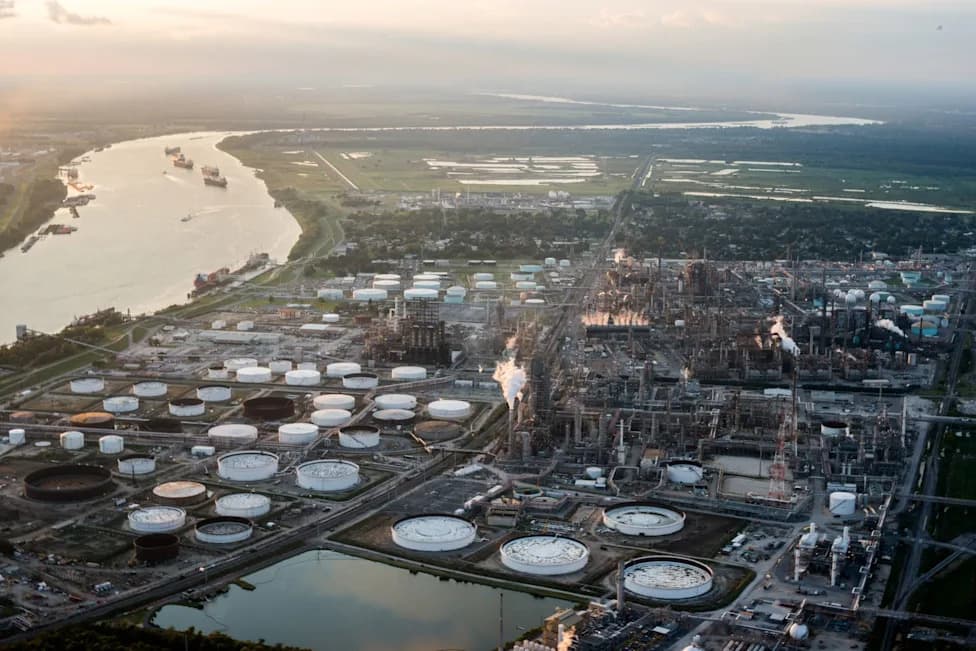
Photo Credit: Getty Images
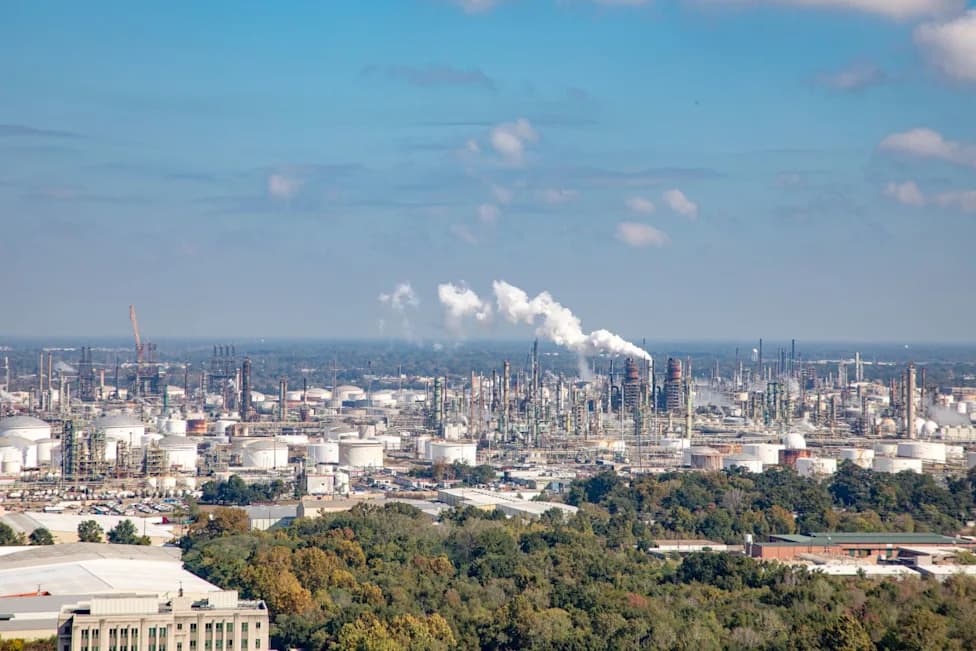
Residents of Louisiana's industrial corridor commonly known as “Cancer Alley” have long feared that nearby petrochemical plants and refineries harm children's health and learning. New analysis from the CoDA Environmental Health Study, summarized in a commentary for The Lens, adds data to those concerns and strengthens calls for policy action.
What Researchers Did
Researchers linked Louisiana Medicaid records with environmental datasets from the U.S. Environmental Protection Agency and the Louisiana Department of Environmental Quality to examine health outcomes for children living near industrial facilities. The analysis focused on neighborhoods close to refineries and petrochemical plants in parts of the Greater New Orleans region.
Key Findings
The study found that children in higher-exposure areas experienced increased rates of learning disabilities and other health problems. In particular, girls in these zones faced higher risks of nutritional anemia, dermatitis and eczema, and earlier onset of puberty.
“The recently released CoDA Environmental Health Study gives scientific weight to what many families in our communities have feared for years: children living in areas with higher industrial pollution exposure experience higher rates of learning disabilities and other health issues,” Kanitra Caston wrote in The Lens.
Implications for Schools and Communities
Caston, an environmental justice advocate and nonprofit leader, warned that the classroom impact is significant: schools near industrial sites already serve high numbers of students who require special education and behavioral supports. She urged policymakers, school leaders, and industry representatives to increase funding for health screenings, behavioral health care, special education, early intervention, and academic support in the most affected communities.
Why This Matters
Children are more vulnerable to pollution for biological and developmental reasons; for example, they breathe faster and spend more time outdoors. The American Lung Association notes that pollution exposure can trigger asthma and other chronic conditions. Reducing air, water, and soil contamination in the region would address the root causes of these health disparities rather than only treating their consequences.
Caston closed with a call to action: the future of the Greater New Orleans area depends on protecting both the environment surrounding children and their ability to learn, grow, and thrive.
Help us improve.