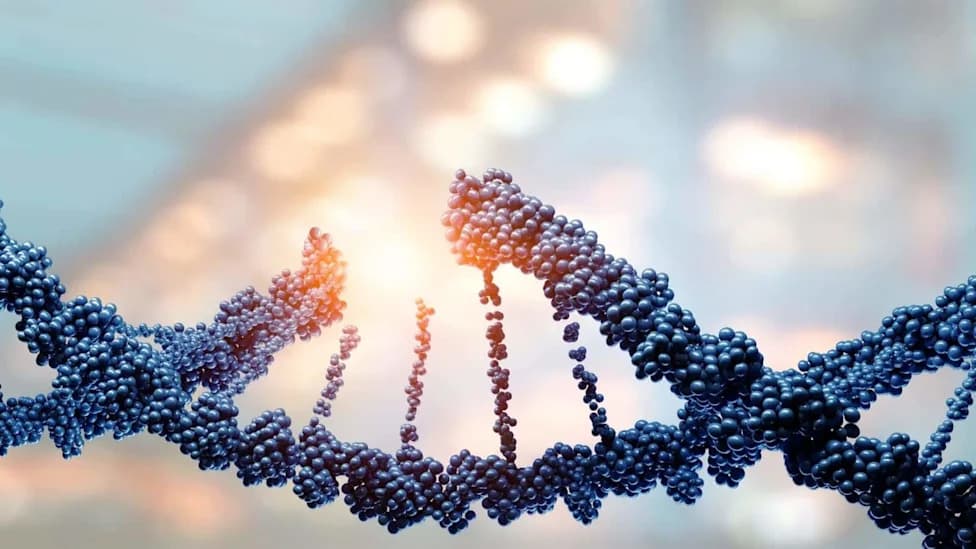
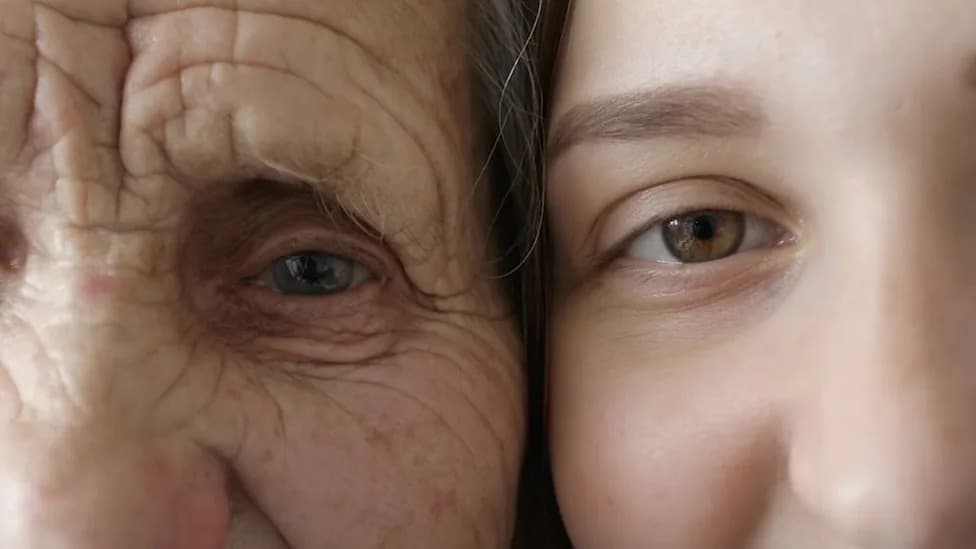
The Skoltech/AIRI model shows that if only somatic DNA mutations drive aging, the theoretical median human lifespan falls to ~156 years with a plausible range of 146–194 years. Non-dividing cells in the brain and heart accumulate irreversible mutations, while regenerative tissues like skin and liver can tolerate damage much longer. The result is model-based and contested; demographic studies suggest lower practical bounds near 122–125 years, and the field has not reached consensus.
156 Years? New Model Suggests Somatic DNA Mutations Could Impose a Hard Ceiling on Human Lifespan
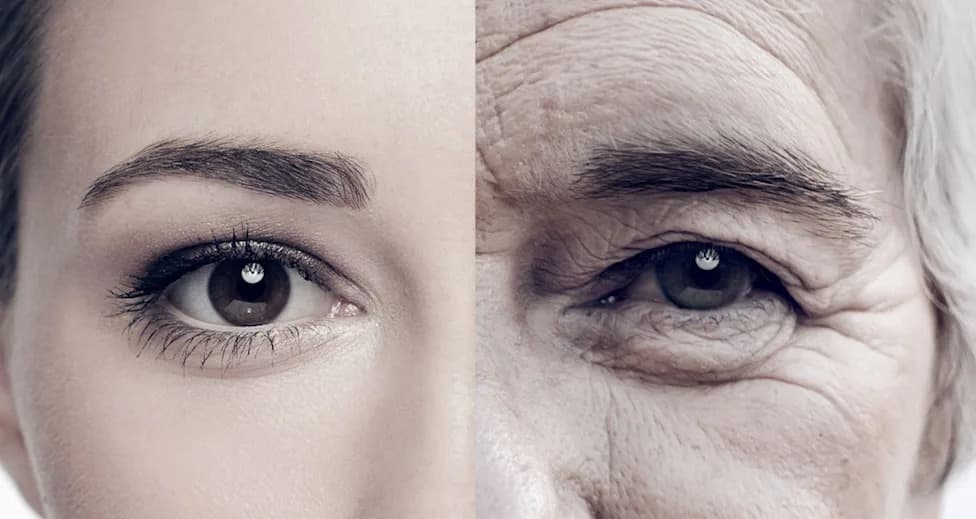
Image: Deposit Photos
Researchers from Skoltech and AIRI modeled a thought experiment: if every known hallmark of aging were eliminated except somatic DNA mutations, how long could a human theoretically live? The headline result is dramatic. An optimistic 1,759-year projection collapses to a median of about 156 years, with an estimated plausible range of 146–194 years depending on which tissues fail first.
What the Model Found
The team treated somatic mutations—the copy errors that accumulate in cells over time—as the sole remaining cause of decline. Tissues that regenerate frequently, like skin and liver, could in principle tolerate mutation accumulation for very long periods. But non-dividing or rarely dividing cells, such as neurons and cardiomyocytes, cannot replace damaged cells; mutations therefore build up in place.
Why Brain and Heart Matter
Neurons and heart muscle cells have very low turnover. Under the model, damage in those "frozen" tissues accrues like unread notifications you cannot dismiss. Without fresh cell copies to replace corrupted ones, the model predicts that failure of these critical tissues ultimately limits organismal lifespan—even if other tissues remain effectively rejuvenated.
"The work helps quantify how much mutations contribute to aging and compare them with other aging mechanisms," said lead researcher Ekaterina Khrameeva.
Limitations and Ongoing Debate
Importantly, this is a theoretical, model-based result—not direct experimental proof. The estimate depends on assumptions about mutation rates, tissue-specific biology, and which failure points determine mortality. Other approaches, including demographic analyses, have placed practical upper bounds nearer 122–125 years, and some scientists argue that no fixed ceiling has been demonstrated and that records could still rise.
Implications
The model reframes part of the longevity debate: rather than asking whether people might keep breaking lifespan records, it asks what biological mechanisms would make a strict upper bound plausible. The current verified human record—Jeanne Calment at 122 years and 164 days—still sits well below the model's conservative lower bound of 146 years, suggesting considerable distance between recorded lifespans and this mechanistic limit. For investors and researchers chasing extreme lifespan extension, the findings signal that some constraints may be intrinsic to tissue architecture.
Bottom line: Somatic mutations may impose a meaningful ceiling on lifespan because some essential cell types cannot be replaced. The result is provocative and valuable for guiding research priorities, but it remains one model among many in an active, unsettled scientific debate.
Help us improve.