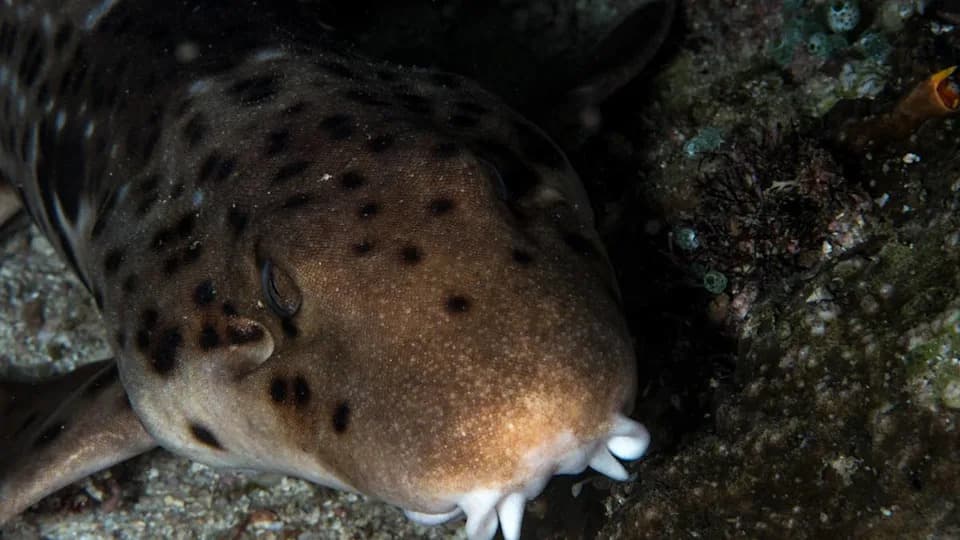
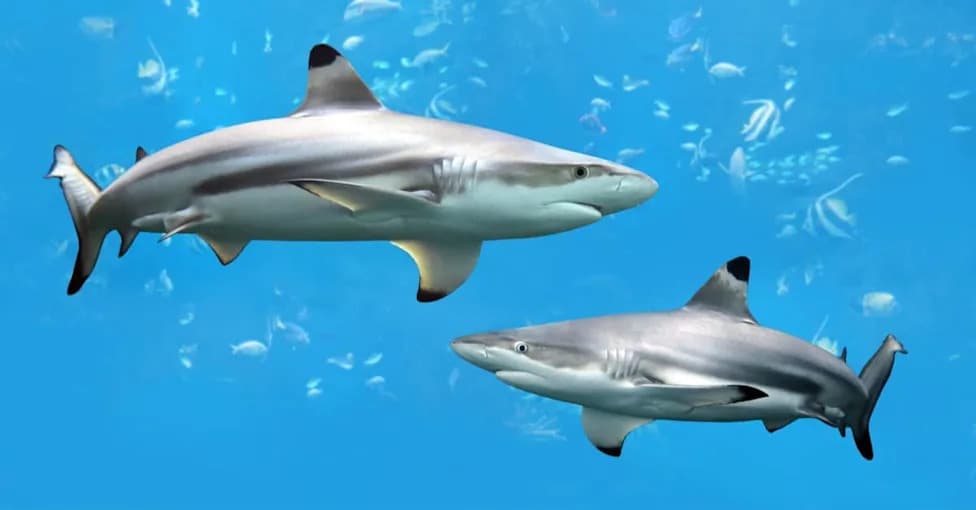
Epaulette sharks, featured during Shark Week, can tolerate low-oxygen tide pools and sometimes "walk" across the seabed using their front fins to move between pools. They slow their metabolism and heart rate to survive in shallow, oxygen-poor habitats. Marked by dark, eye-like spots that resemble epaulettes, the species is native to coastal Australia and New Guinea and feeds on small marine animals.
Meet the ‘Walking’ Epaulette Shark: The Little Shark That Can Cross Tide Pools
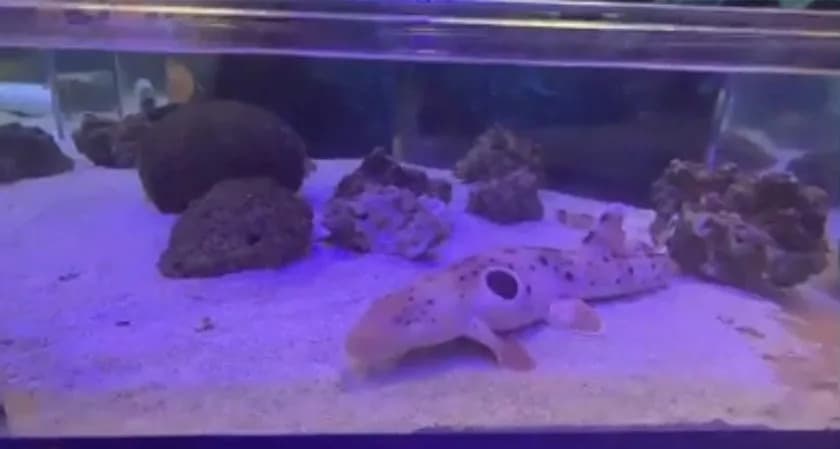
PORTSMOUTH, Va. — It’s Shark Week, and curiosity about unusual marine animals is at a peak. 10 On Your Side visited Clearwater Marine Aquarium to learn about the epaulette shark, a small species famous for its ability to move across very shallow water — and even between tide pools — using its fins like legs.
Epaulette sharks are long and slender, with a body shape that can recall a salamander more than a classic shark silhouette. Unlike many sharks that must keep swimming to ventilate their gills, epaulette sharks tolerate low-oxygen conditions by slowing their metabolism and heart rate. This physiological flexibility lets them survive in isolated tide pools and, at times, cross exposed areas of the reef to reach new feeding grounds.
Remarkably, these sharks use their strong, paired front pectoral (and pelvic) fins to push along the sea floor in shallow water, appearing to "walk" from pool to pool while hunting for small prey. They feed primarily on small fish, crustaceans and other invertebrates and generally remain relatively small (typically under 1 meter in length).
"So, they're basically able to hold their breath, slow down their heart rate, all those things, in order to go into tidal pools and kind of walk along the bottom of the ocean floor. So, talk about the walking shark, this is what we're referring to cause they have those two front pec fins that allow them to walk along in that really shallow water without having to swim,"
The species gets its common name from the large, dark circular markings near its pectoral fins that resemble military epaulettes. These eye-like spots are thought to confuse or deter predators by making the shark appear larger or by directing attacks away from the head.
Epaulette sharks are native to shallow coastal waters around Australia and New Guinea and are well adapted to environments where water levels and oxygen vary with the tides. Their unusual behavior and resilience make them a popular subject for Shark Week features and for public aquarium displays.
Note: Observations of epaulette sharks outside the water are typically short-lived and are part of the animal’s natural behavior in intertidal habitats; they are not suited for prolonged exposure out of water.
Help us improve.