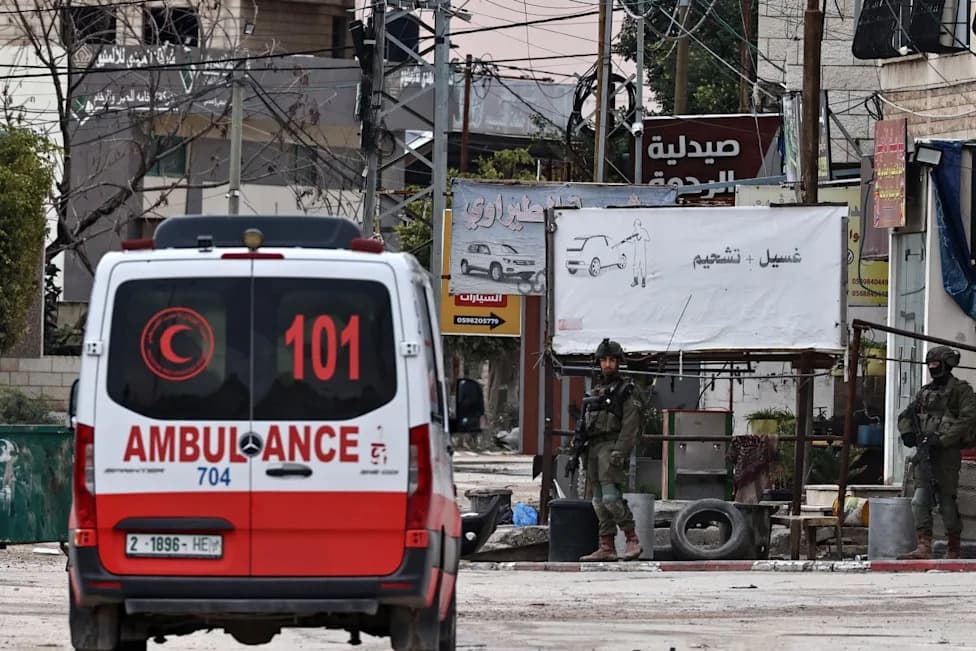
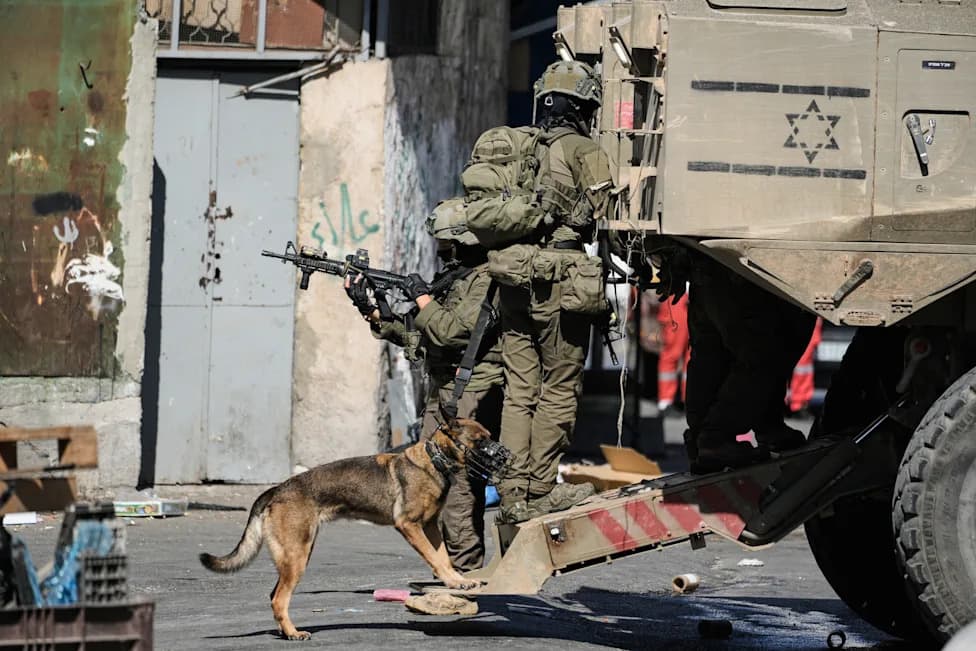
After Israeli Prime Minister Benjamin Netanyahu ordered a "wide-scale military operation" across the occupied West Bank following a settler attack in Tal, ambulance driver Yousef Diriya, 50, said he was held for four hours at Awarta checkpoint while transporting kidney dialysis patients. Since then, large parts of the West Bank — particularly Nablus Governorate, but also areas around Ramallah and as far south as Bethlehem Governorate — have been effectively sealed, forcing ambulance crews to take long detours and endure prolonged checkpoint delays to reach hospitals.
Diriya estimates journeys that normally cover about 20 kilometres (12 miles) can now require as much as 100 kilometres (60 miles). Even with prior coordination and apparent permission to pass, crews report inspections, photography of IDs and ambulances, and long waits.
"Even if you've coordinated in advance, and they know the same woman is with you — it makes no difference," Diriya said. "Whether you're entering Nablus or leaving through the checkpoint, it's the same procedure every time: inspection, photographing IDs, photographing the ambulance, and then you just wait."
Delays can be devastating. Early on Monday, ambulance driver Bashar al-Qaryuti picked up a six-month-pregnant woman from Qaryut who was bleeding heavily. The ambulance was stopped at Awarta for about half an hour; soldiers reportedly ordered the vehicle to be turned off, causing medical equipment to stop functioning, and passengers — including the pregnant woman — were searched. According to testimony given to the Palestinian news agency Wafa, the woman's unborn baby died before reaching hospital.
These incidents follow earlier cases in which restricted access had fatal consequences. On July 5, three-month-old Ahmad Zaid stopped breathing in Deir Ammar refugee camp, which has been cut off from Ramallah hospitals by a locked military gate since February; soldiers reportedly did not open the gate in time and the infant later died en route to hospital. On July 18, 30-year-old Sujood Fuqahaa from Sinjil died of apparent cardiac arrest after soldiers prevented her ambulance from passing during a weeklong siege that sealed the town's entrances.
Systemic Strains On Healthcare
Healthcare workers say restrictions on movement have increased over recent years alongside settlement expansion and shifts in Israeli policy since late 2022, and that access difficulties intensified after the war in Gaza began in October 2023. Medical staff also report worsening shortages of supplies and cash-flow problems tied to the Israeli withholding of tax revenues intended for the Palestinian Authority.
"The whole healthcare system is collapsing," said Imran Anati, a researcher at Physicians for Human Rights–Israel. The United Nations has recorded roughly 925 Israeli-imposed obstacles to movement across the territory, affecting some 3.4 million Palestinians. The World Health Organization documented 233 attacks on healthcare facilities, workers and ambulances across the West Bank in 2025.
Anati and other researchers describe the closures as collective punishment and warn they endanger civilians by preventing timely medical care. On Friday, Israeli forces entered Nablus Specialized Hospital and detained two injured brothers; Wafa reported medical staff were handcuffed during the operation.
Local Clinics Strained, Births And Emergencies Diverted
In Aqraba, near Nablus, Dr Ayser Bani Jaber runs a small clinic with minimal equipment. Early one Sunday, two women arrived in labor within hours of each other but could not reach Rafidia Hospital in Nablus because of roadblocks. Dr Bani Jaber's wife, Dr Yusra Dweikat — a gynecologist at Rafidia — was stuck at home due to the closures but managed to reach the clinic and deliver both babies. After the second birth the mother began bleeding; Aqraba has no blood bank, and it took half an hour of calls and negotiation before an ambulance was permitted to transfer her to Rafidia.
When Diriya and his dialysis patients were held at Awarta, he noted an Israeli ambulance with yellow plates passed through the checkpoint while Palestinian ambulances were detained. "Israeli yellow-plated vehicles pass through even when the roads are closed," he said. "In our job as paramedics, we serve everyone: Arabs, Jews, Israelis, Palestinians. All I care about is giving humanitarian care to whoever needs it. So of course it's demoralising... But I have no freedom at all. That does something to you psychologically — it really does."
Doctors, paramedics and human-rights advocates are calling on Israeli authorities to ensure safe, unimpeded access for ambulances, patients and medical personnel in line with international humanitarian law. They warn that as checkpoints and closures continue to multiply, more civilians will face preventable injury and death.
Key documented figures: UN: ~925 movement obstacles across the West Bank; WHO: 233 attacks on health services in 2025; population affected: an estimated 3.4 million Palestinians.