Summary: The Wall Street Journal reports that President Trump repeatedly pressured HHS Secretary Robert F. Kennedy Jr. to reduce childhood vaccine recommendations due to concerns about a vaccine-autism link. Kennedy — a noted vaccine skeptic — was reportedly surprised by the persistence of Trump’s demands after aides had urged caution. Scientists broadly reject a causal link between vaccines and autism, and public-health experts warn against scaling back the immunization schedule. HHS faces legal, scientific and political challenges as it responds.
Report: Trump Pressed RFK Jr. to Cut Childhood Vaccines Citing Autism Concerns
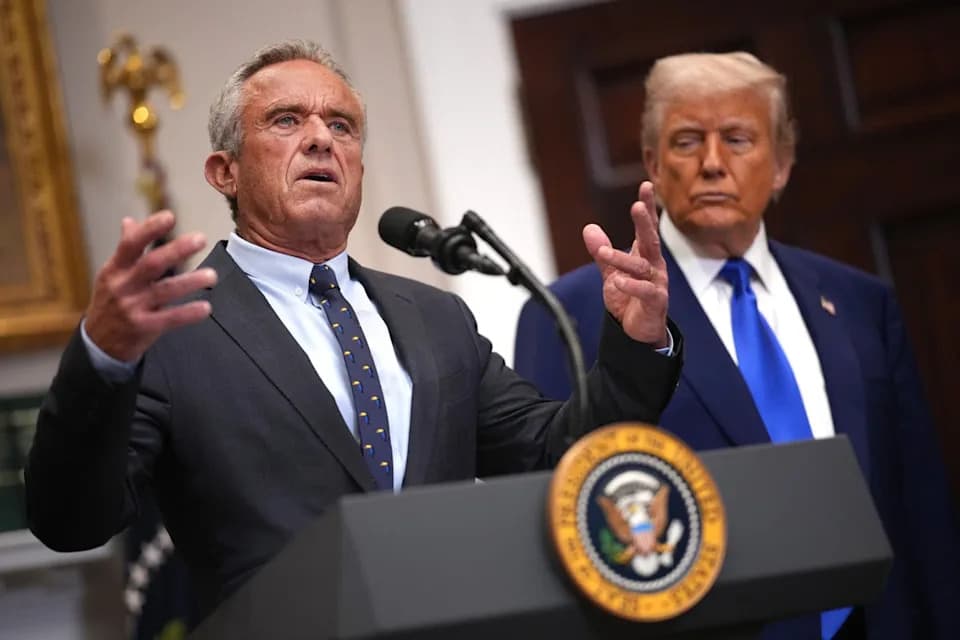
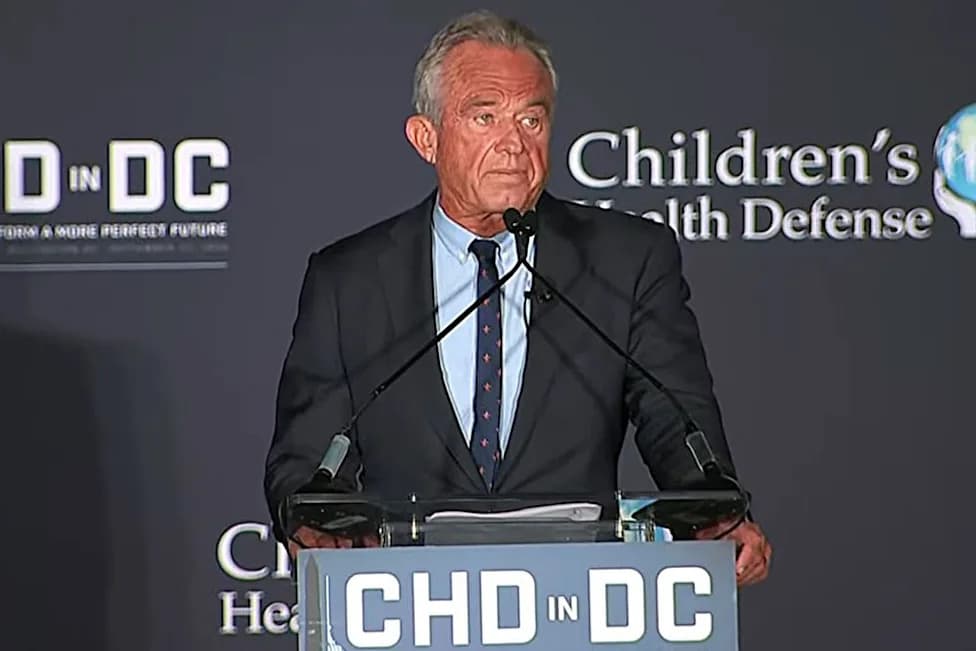
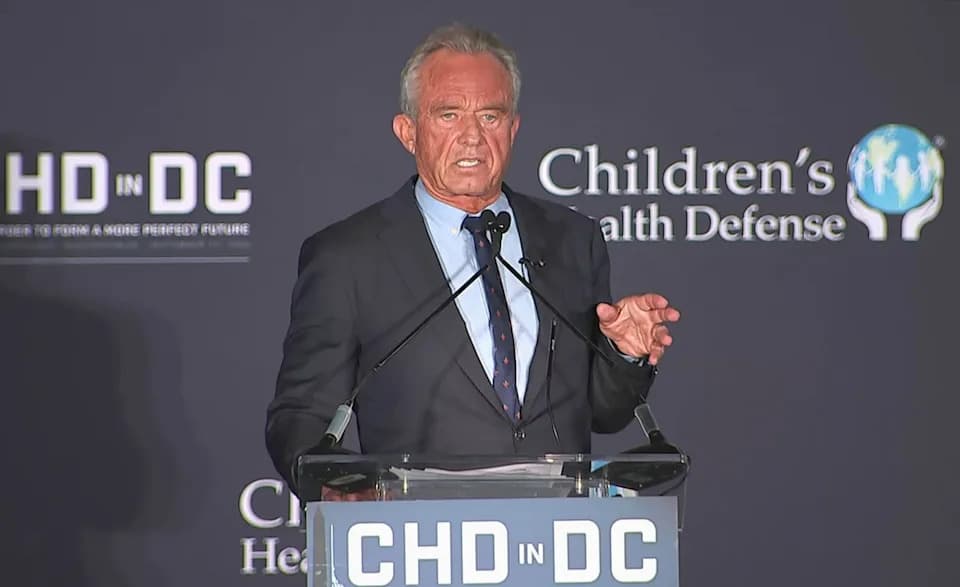
President Donald Trump pressured Health and Human Services Secretary Robert F. Kennedy Jr. to slash childhood vaccines due to fears about autism, according to a new report (Getty Images)
New reporting in The Wall Street Journal says President Donald Trump repeatedly urged Health and Human Services Secretary Robert F. Kennedy Jr. to scale back recommended childhood vaccinations because of his belief that inoculations are linked to autism. The conversations — including a May lunch in which Trump reportedly asked why Kennedy had not done more to investigate the alleged connection and accused him of having the "yips" — have intensified scrutiny of HHS policy and leadership.
What Happened
According to people familiar with the discussions, the autism question has come up in nearly every meeting between Trump and Kennedy. The president has told Kennedy that reducing autism rates should be a top priority, and privately expressed frustration that, more than a year into Kennedy’s tenure, he has seen little measurable progress.
Kennedy, a prominent vaccine skeptic, was reportedly surprised by the persistence of Trump’s pressure because White House aides had earlier advised him to temper his vaccine rhetoric after it performed poorly in polls ahead of the midterm elections. HHS officials are now racing to show movement on autism-related research and policy amid concerns Kennedy could be removed after the midterms.
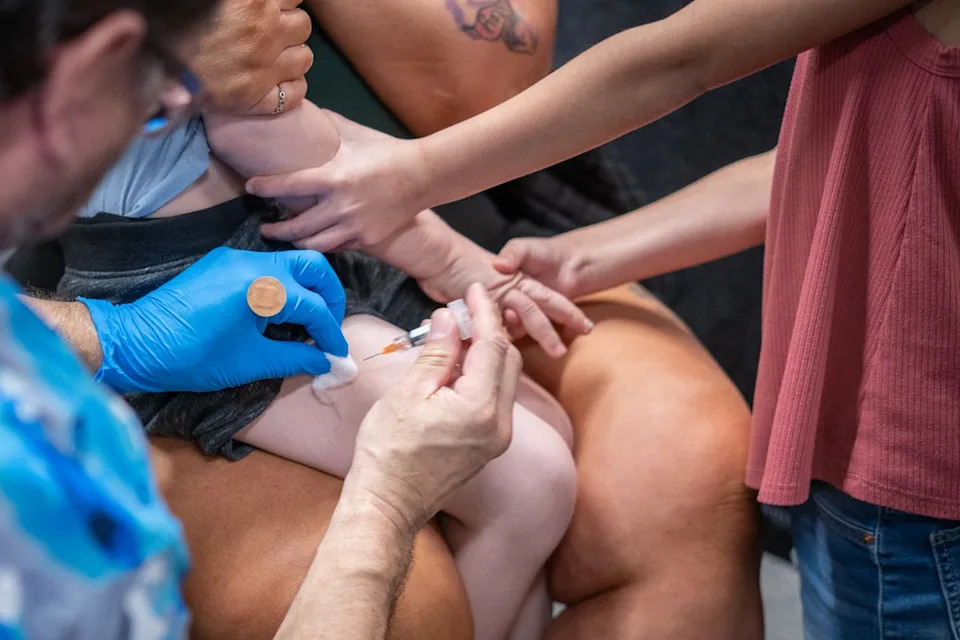
Among scientists, there is a broad consensus that there is not sufficient evidence linking vaccines to autism (Getty Images)
Policy Moves And Legal Challenges
Since taking office, Trump has expressed interest in breaking up the combined measles, mumps and rubella (MMR) vaccine into separate shots and in reducing the overall number of recommended childhood vaccines. In January, Kennedy proposed cutting the recommended childhood vaccine schedule from 17 shots to 11, but a judge blocked that proposal in March. In May, Trump signed an executive order directing HHS to consider reducing the number of recommended childhood vaccines.
Scientific Consensus
Major medical and public-health organizations maintain that vaccines do not cause autism. Multiple large studies, including a 2019 analysis of more than 600,000 children, found no link between the MMR vaccine and autism. Scientists say increases in recorded autism prevalence — from estimates of about 1 in 150 children in 2000 to roughly 1 in 31 eight-year-olds by 2022 — likely reflect a combination of genetic factors, older parental age and improved diagnosis and awareness.
Still, the Centers for Disease Control and Prevention recently revised its guidance language on vaccines and autism, replacing an unequivocal statement that vaccines do not cause autism with wording that says current science has not definitively ruled out every possible connection — a change that has drawn attention and debate.
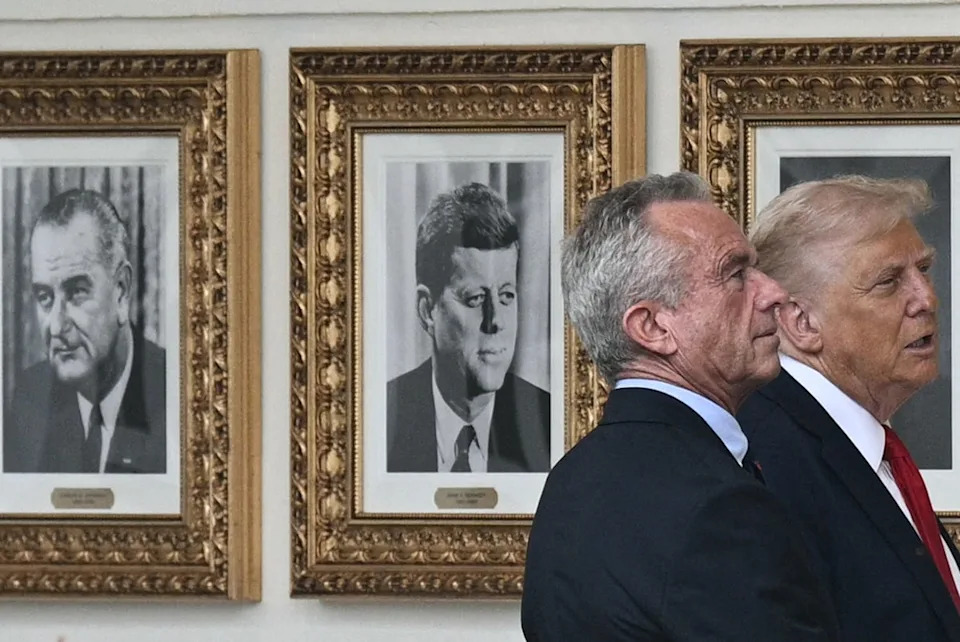
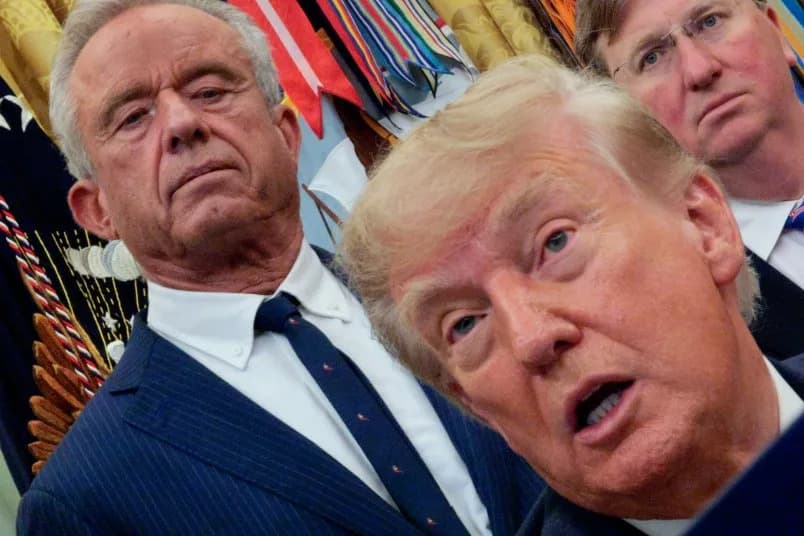
Trump has reportedly expressed disappointment that Kennedy, who previously ran for president as an independent, has not shown enough progress at HHS (AFP via Getty Images)
Politics And Personnel
Internal polling found vaccine skepticism to be politically unpopular: a survey commissioned by Trump pollster Tony Fabrizio showed only 34% of adults trusted health information from Kennedy. White House aides advised the health secretary to emphasize other issues — such as food dyes — and Kennedy largely avoided vaccine topics in public appearances after that advice.
The administration has recruited epidemiologists and researchers to study vaccines, including Harvard epidemiologist Martin Kulldorff, who is leading a series of vaccine studies at HHS. Some officials view Kennedy as an "ideas guy," while others see Centers for Medicare and Medicaid Services administrator Mehmet Oz as a rising figure who could take on a broader health portfolio. Concerns persist about Kennedy’s long-term prospects at HHS.
Outlook
HHS and the White House have said they are committed to pursuing rigorous, "gold-standard" science on child health issues. The Independent has contacted the White House and HHS for comment. Meanwhile, the debate illustrates the tension between political priorities, scientific consensus, and public trust in health institutions.
Help us improve.